
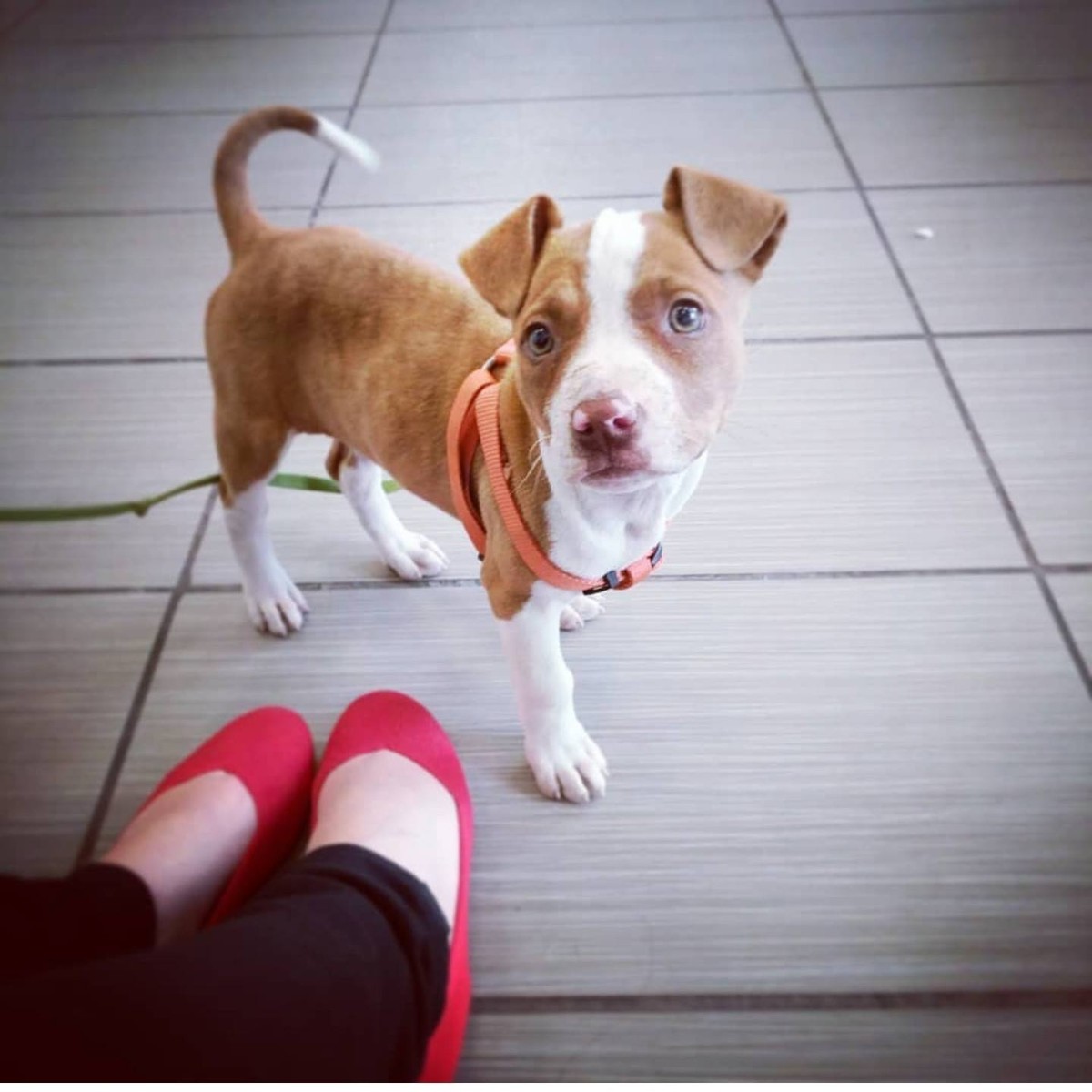
Dogs are not born aggressive because of their breed.
Fearful and reactive behavior so often grows out of what people do to them, what they deny them, or the pain they force them to survive.
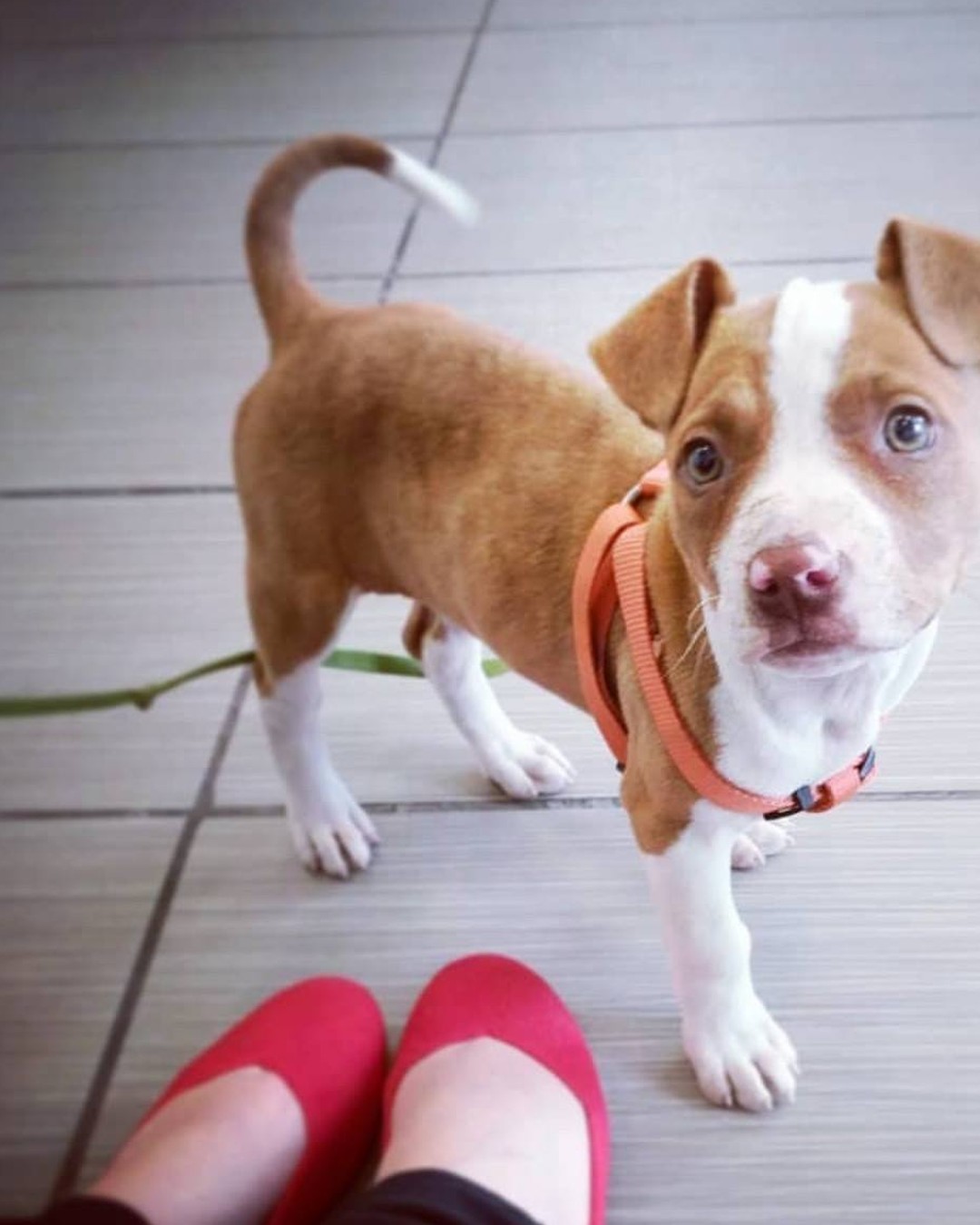
Maddie, a young pittie, was already carrying that kind of fear when her story surfaced in Brooklyn.
Also readHe Was Broken and Alone — Until One Gentle Dog Refused to Leave His Side
A stranger in a park became the first step toward saving her life.
Elli Frank of Mr. Bones & Co. in New York City received a disturbing report about a puppy.
A woman said a man had approached her in a park, placed the puppy in her hands, claimed he had found her in a dumpster, and then hurried away.
That puppy was Maddie.
The rescue team immediately suspected the story was false.
Maddie was not starving, and she did not look like a dog who had been wandering alone for very long.
Everything suggested she had been abandoned that same day.
That realization made the situation even darker.
From the beginning, Maddie’s behavior showed that something was terribly wrong.
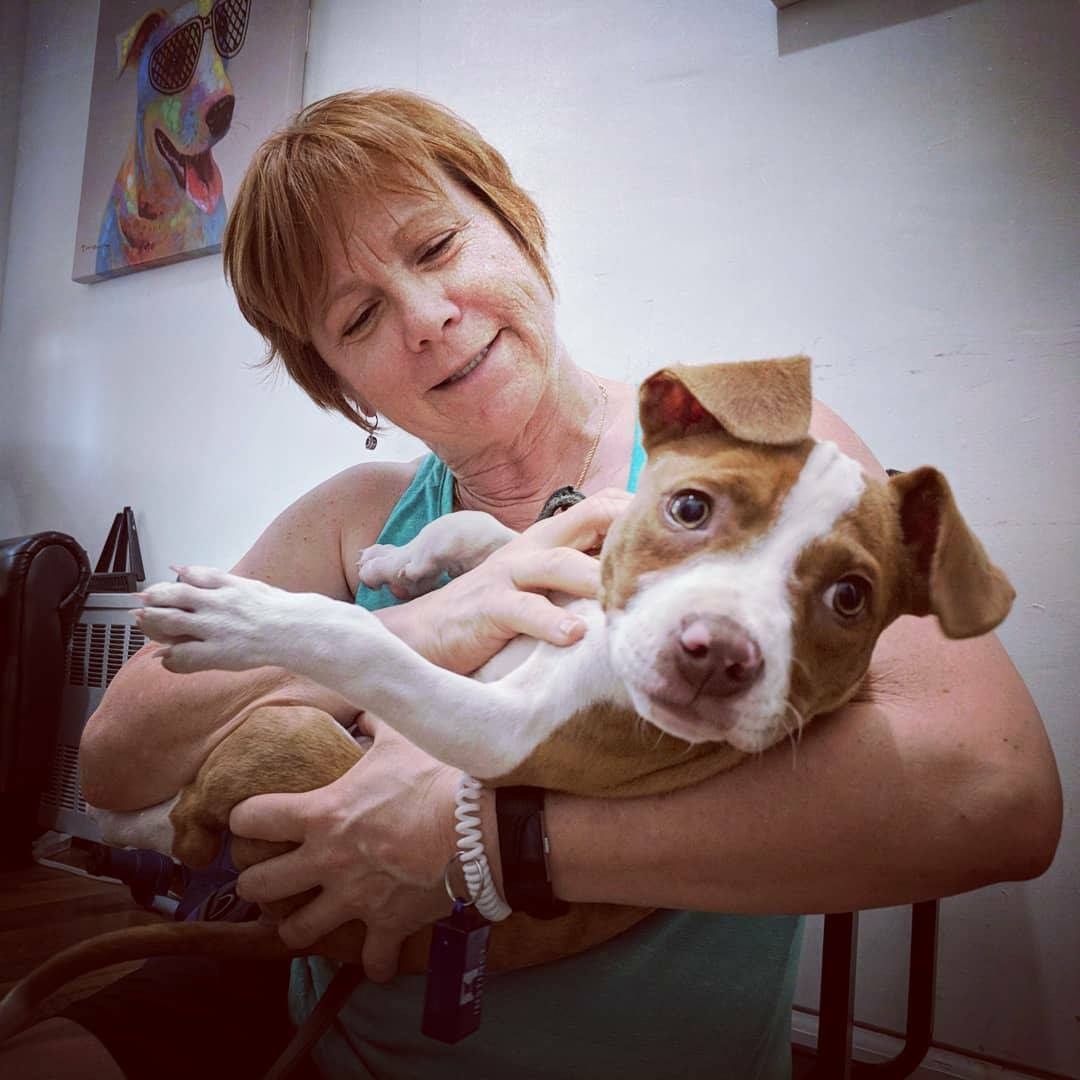
She was tense around people.
She was reactive around other dogs.
She resisted handling.
Her frustration threshold was very low, and if she became uncomfortable, she escalated almost immediately.
Mr. Bones & Co. quickly understood that this was not ordinary puppy nervousness.
They believed Maddie had likely been bred from fighting lines.
They also feared she had already been put through the early grooming process used to prepare dogs for fighting.
It was a horrifying possibility for such a young dog.
She seemed headed toward becoming one more dog unfairly labeled “aggressive.”
But Maddie’s reactions were not proof of some destiny written into her.
They were signs of trauma, fear, and survival.
She needed someone willing to see past the behavior and into the pain beneath it.
Elli knew Maddie needed specialized help.
So she reached out to Suze Cullinan, president of Instinct Dog Behavior & Training.
Suze specializes in helping fearful and reactive dogs.
She agreed to take Maddie into her program.
What was supposed to be a three-week training stay quickly became something much larger.
Maddie needed far more time than anyone first hoped.
Healing could not be rushed.
Trust had to be built carefully, and then rebuilt again.
Suze worked with Maddie using structure, positive reinforcement, and steady guidance.
There was no quick breakthrough.
There was only patient repetition and a safe environment that asked Maddie to try again each day.
That kind of work can look small from the outside.
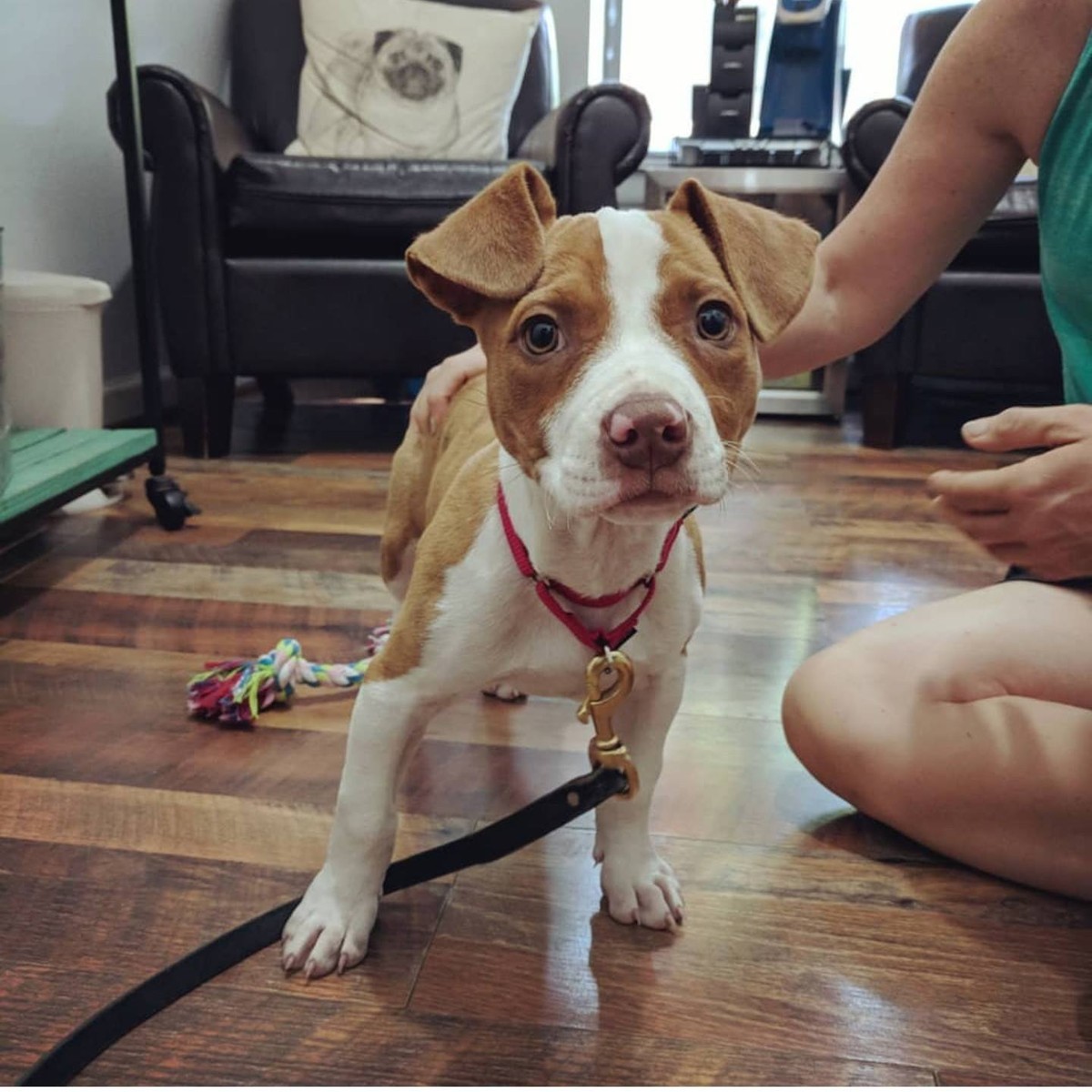
Inside a fearful dog, though, each calm moment is huge.
A hand nearby without harm matters.
A room shared with another dog without panic matters.
A routine that stays the same matters.
Predictability matters when a dog has learned to expect danger.
Maddie began learning that not every interaction led to harm.
She began learning that people could be calm and consistent.
She began learning that discomfort did not always mean she had to defend herself.
Those lessons took time to settle into her body.
Weeks turned into months.
The expected short stay expanded into a long recovery.
And when the formal program ended, Suze did not send Maddie away.
She chose to foster her so the healing could continue in a home.
That decision changed the course of Maddie’s life.
A home gave Maddie more than shelter.
It gave her consistency in the morning, in the afternoon, and at night.
It gave her chances to practice being safe in ordinary moments.
It gave her room to soften.
Day by day, the frightened puppy from the park started to change.
She learned to trust more.
She learned to play.
She learned to relax around people.
She also improved around other dogs.
For a dog who had once seemed poised for a life shaped by violence, those gains were enormous.
They did not appear all at once.
They came from countless quiet repetitions of safety.
They came from boundaries that did not scare her and encouragement that did not pressure her.
They came from someone meeting her where she was instead of punishing her for not being ready.
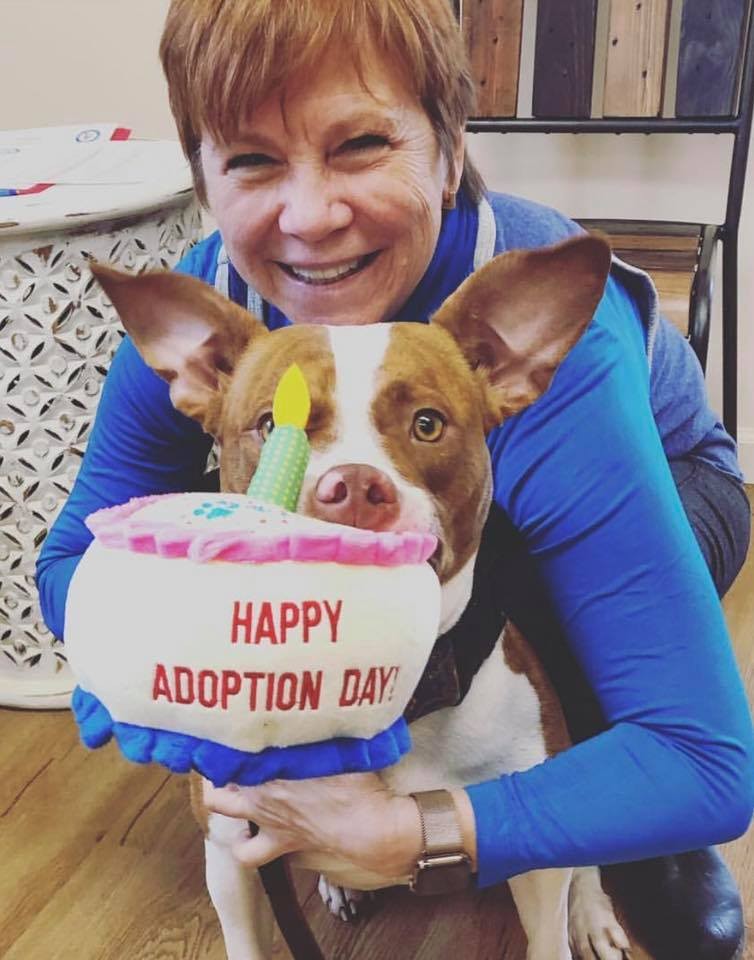
After nine months, Maddie had fully transformed.
She was no longer merely surviving what had happened to her.
She was thriving inside a life that finally made space for her to feel secure.
Mr. Bones & Co. later shared that Maddie had worked hard to survive under her foster mom’s care and had mastered the social skills needed to function around new people and dogs every day.
That is a remarkable achievement for any reactive dog.
For Maddie, it was the result of patience meeting persistence.
By then, Suze knew the bond had become permanent.
She could not let Maddie go.
The foster arrangement became what rescuers lovingly call a foster fail.
Maddie stayed exactly where she had learned to feel safe.
There is something especially fitting about that ending.
The person who helped guide her through fear became the person who kept her.
The home that taught her stability became her forever home.
Today, Suze says Maddie is nearly unrecognizable from the dog she first met.
Now she is confident.
Now she is affectionate.
Now she is social.
Even more beautifully, Maddie helps Suze with her work.
A dog who once struggled so intensely with fear now helps show other dogs that recovery is possible.
She stands as an example that progress is not always loud.
Sometimes it looks like a dog choosing calm where panic once took over.
Sometimes it looks like trust returning in small, steady pieces.
It does not erase what was done to her.
It does not make her early suffering any less real.
But it does show what can happen when the right human refuses to give up.
Maddie’s story matters because it pushes back against one of the most damaging assumptions people make about dogs.
Behavior like hers did not appear because she was a pittie.
It came from mistreatment, fear, and whatever brutal handling shaped her early life.
With patience, kindness, and proper socialization, even deeply misunderstood dogs can become soft, loving companions.
Maddie is living proof of that.
She could have been dismissed as dangerous.
She could have been reduced to a label.
Instead, rescuers recognized that she was a young dog in crisis.
Suze recognized that beneath the reactivity was a dog still capable of trust.
Because the right people stepped in, Maddie got the chance she had always deserved.
She got safety.
She got time.
She got understanding.
And in that space, she became herself.
Her journey began with a suspicious handoff in a Brooklyn park.
It continued through months of careful work, structure, and patient care.
Now it stands as a reminder that dogs so often reflect the treatment they have received, not the fate others project onto them.
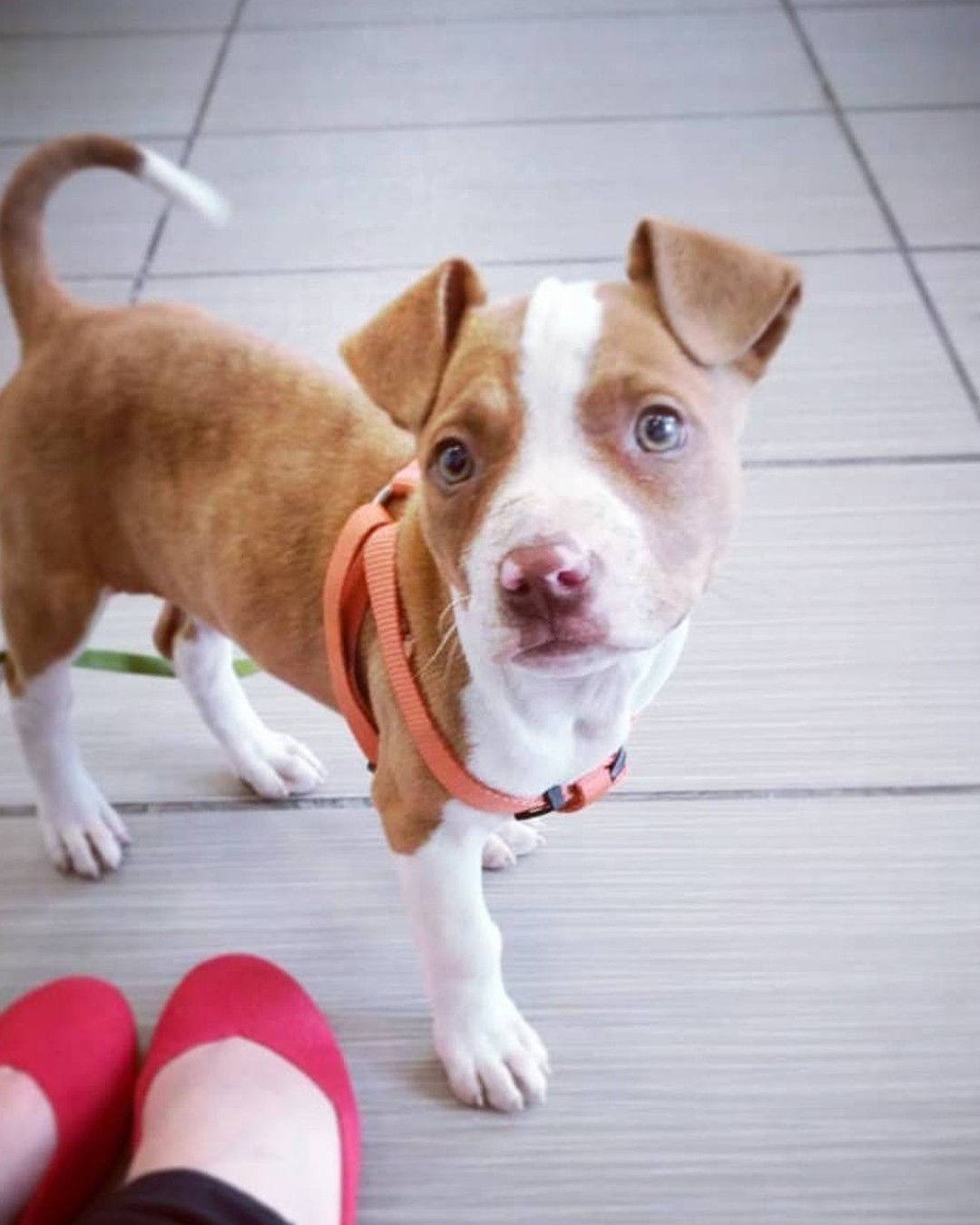
Maddie was failed early.
Then she was believed in.
That belief changed everything.
Her recovery also says something important about rescue itself.
Saving a dog is not always a dramatic single moment.
Sometimes it is a long chain of people making the next compassionate choice.
A woman in a park accepted a puppy who needed help.
A rescue looked beyond a flimsy story and saw urgency.
A trainer opened her program, then her home, and then her heart.
That is how Maddie’s life was rebuilt.
Not through luck alone.
Through people who refused to mistake trauma for hopelessness.
For dogs like Maddie, that distinction can mean the difference between being feared forever and finally being understood.
 Bones Waited Nearly Three Years, and Then Love Finally Stayed
 The Cold Could Not Put Out the Small Light in Harry
 The Tired Stray Who Wagged His Tail the Moment Help Arrived
 A Tired Gray Face Looked Up, And One Woman Would Not Look Away
 Two Puppy Brothers Reached Through the Bars Before Hope Ran Out
 She Would Not Leave Her Babies, Even When The Wind Grew Cruel