
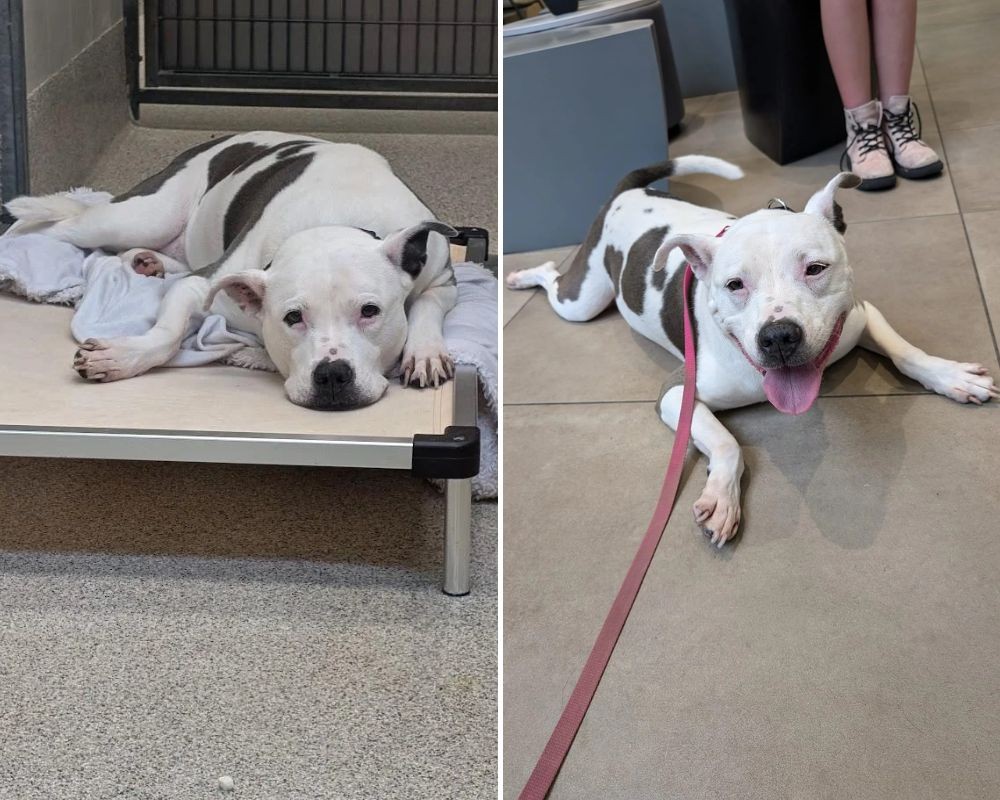
Mara’s silver face made shelter staff worry adopters would look past her, but one Nebraska family saw the senior dog she still was.
Mara did not need a perfect stranger to know every chapter of the past. Mara needed someone to notice the exact moment happening right in front of them and decide that a scared dog still mattered.
Mara was twelve years old, and that age made shelter staff worry that people would choose younger dogs first, even though her heart still had so much love left to give.
Also readPuppy Spent Weeks Tied Beneath a Sink, but Now She Knows What Love Feels Like
A soft gray face and a quiet spirit can hold just as much love as the energy of a younger dog, but older dogs are too often overlooked when people come to adopt.
For senior dogs who once knew the security of a home, ending up in a lonely shelter kennel later in life can be especially painful. Their golden years should be spent surrounded by comfort, not waiting behind bars while puppies and younger animals are chosen first.
Sometimes, though, someone walks in and sees exactly how special an older dog can be.
Her surrender was not because she was unloved. Her owner lost their home, which made the goodbye even more painful for everyone involved.
A Dog’s Smile That Spoke Volumes
Mara, a twelve-year-old dog, had spent most of her life surrounded by love, cared for by someone who cherished her deeply.
That chapter came to a painful end when her owner lost their home and could no longer provide for her. With tears in her eyes and a heavy heart, the woman surrendered Mara to the Nebraska Humane Society in Omaha.
The Moment Everything Changed
Sarah Brumfield saw Mara’s gray face differently. To her family, it was not a reason to pass by; it was the sign of a dog who deserved softness in her final chapters.
Suddenly, Mara’s future was uncertain. The shelter staff worried that her age would make it difficult for her to find a new home. But then, someone unexpected stepped forward and changed everything.
“Adopted this senior sweetheart yesterday!” wrote Sarah Brumfield, a 40-year-old community health educator from Omaha, Nebraska, in her Reddit post.
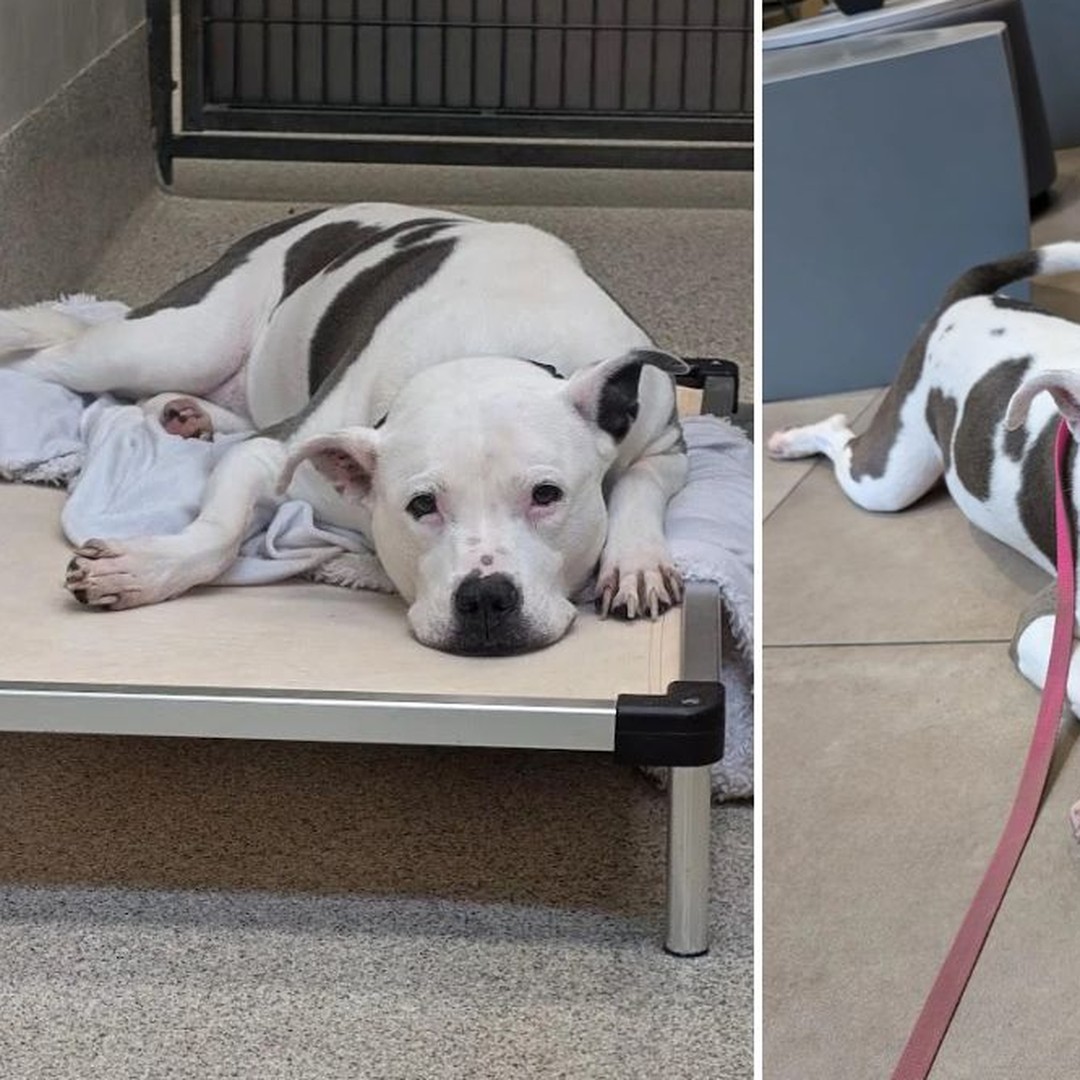
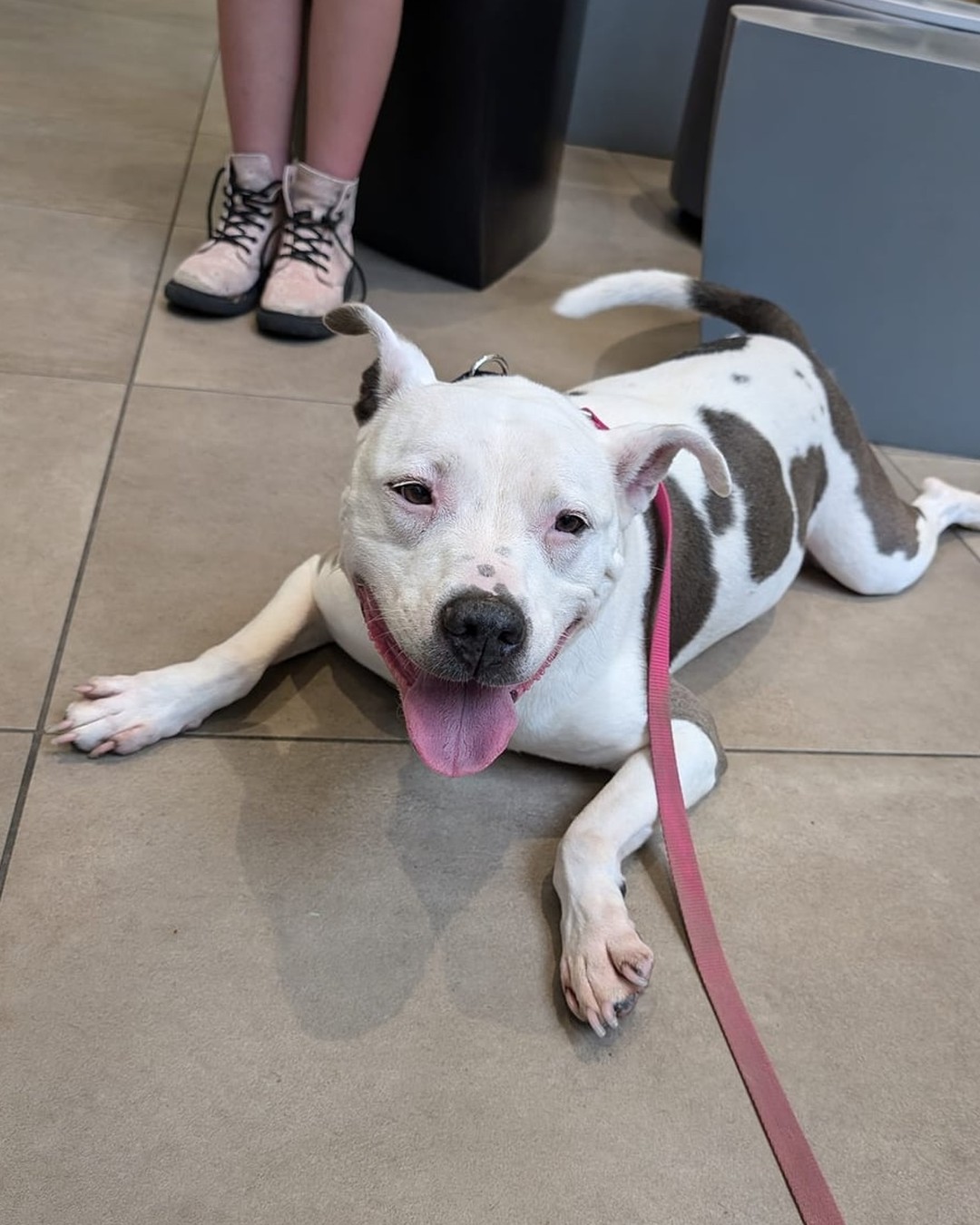
She included photos of Mara before and after adoption. In the second image, Mara’s radiant smile said more than words ever could.
A Family’s Journey Toward Healing Through Senior Adoption
Sarah’s love for senior dogs began after she and her family experienced the loss of their first cherished pet.
Not long after, they welcomed a puppy named Hera into their lives. But soon, their second senior dog also passed, leaving their hearts broken once again.
It took time to heal, but Mara’s arrival brought light back into their lives. Her joyful presence helped mend their grief and inspired a new purpose of giving older dogs a loving home whenever they could.
“Our first dog together was 8 years old, and after that, we decided to continue adopting senior dogs,” Brumfield told Newsweek. “We love being able to give them a home for however much time they may have left.”
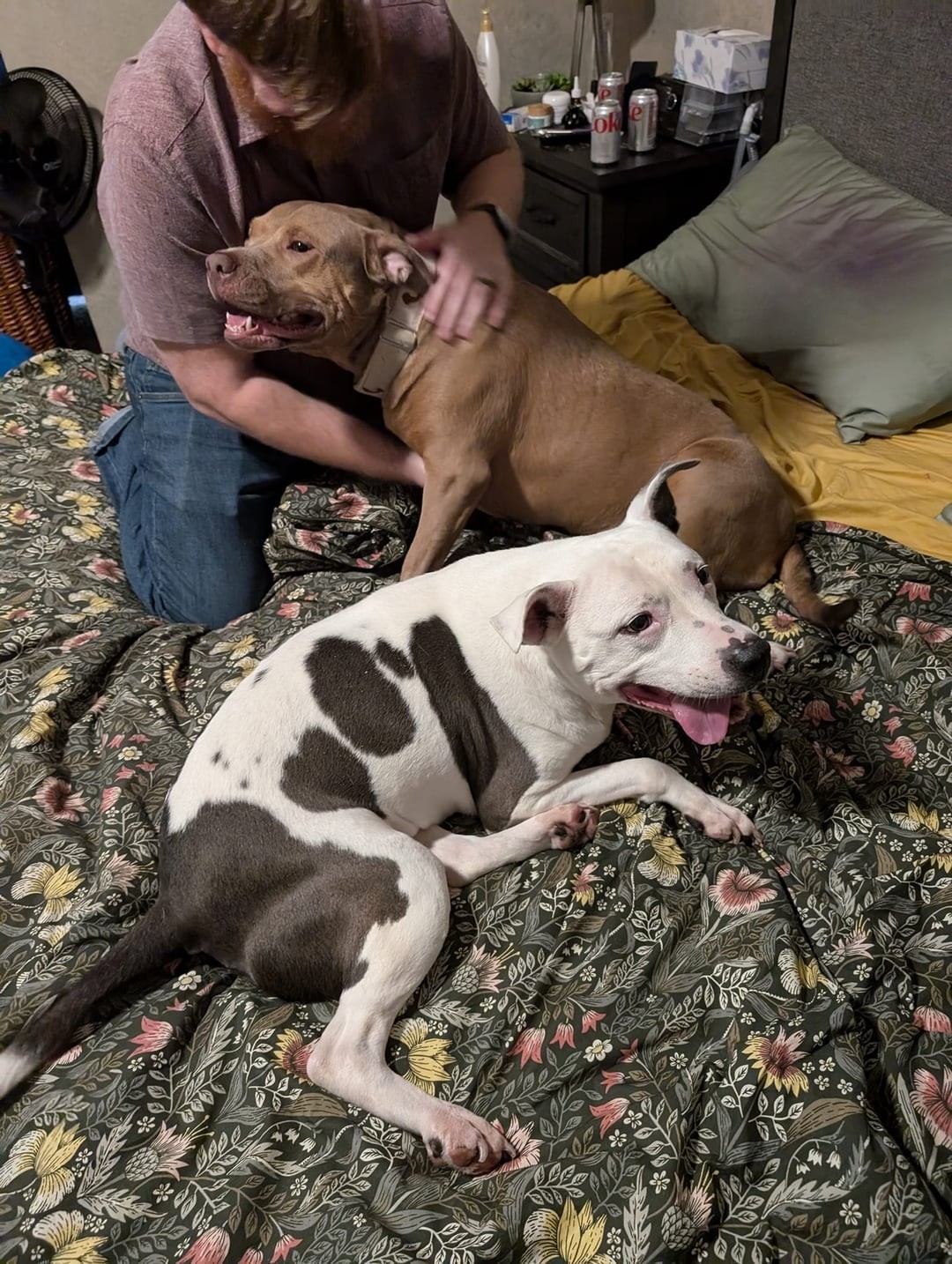
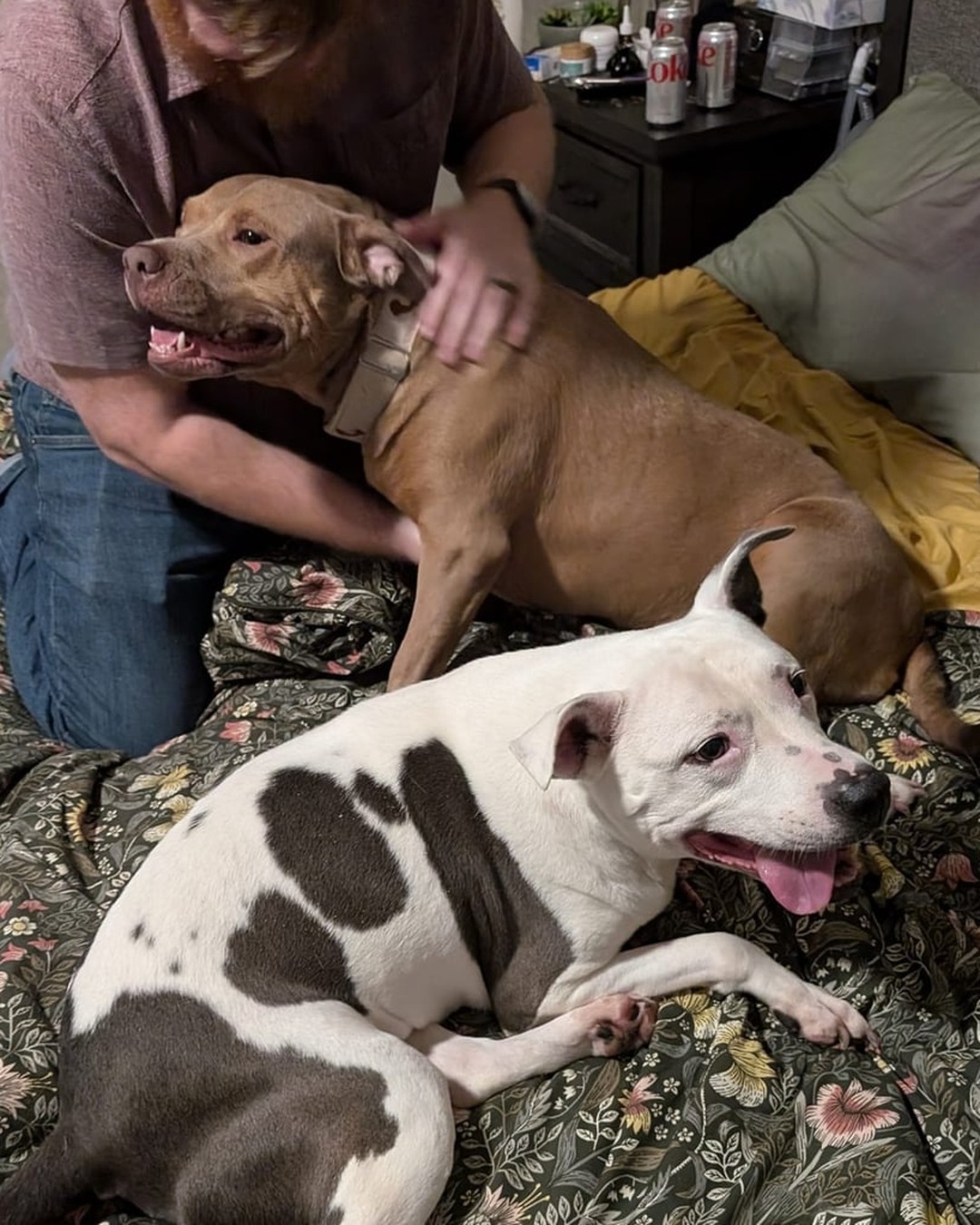
While they wait for another senior companion to join their family, Mara is enjoying her golden years with her younger sister, Hera.
“Hera and Mara are getting along wonderfully! It’s like Mara was meant to be part of our family,” Brumfield joyfully stated.
Stories like Mara’s remind us that older dogs still have so much love to give. All they need is someone willing to see them for who they are.
Mara is proof of that truth.
For readers who love rescue stories, Mara’s case is the kind that lingers because the first scene says so much before the happy part ever arrives.
There is a clear before-and-after in this story, but the before matters. It shows exactly why the rescue was necessary and why the people involved moved with urgency instead of waiting for someone else to act.
What Rescuers Saw Up Close
Mara was not an idea or a symbol to the rescuers. This was a real dog in a real crisis, with a name, a body language, and a moment when help finally became possible.
The people who stepped in could not erase what happened before that day, but they could make sure Mara was not forced to face the next part alone.
Every rescue like this begins with someone paying attention. In Mara’s case, that attention turned a frightening scene into the first step toward safety.
What makes the ending feel earned is that it did not come from luck alone. It came from people reading the situation correctly, acting fast, and treating Mara as a life worth fighting for.
For readers who love rescue stories, Mara’s case is the kind that lingers because the first scene says so much before the happy part ever arrives.
There is a clear before-and-after in this story, but the before matters. It shows exactly why the rescue was necessary and why the people involved moved with urgency instead of waiting for someone else to act.
Mara was not an idea or a symbol to the rescuers. This was a real dog in a real crisis, with a name, a body language, and a moment when help finally became possible.
The people who stepped in could not erase what happened before that day, but they could make sure Mara was not forced to face the next part alone.
Every rescue like this begins with someone paying attention. In Mara’s case, that attention turned a frightening scene into the first step toward safety.
What makes the ending feel earned is that it did not come from luck alone. It came from people reading the situation correctly, acting fast, and treating Mara as a life worth fighting for.
For readers who love rescue stories, Mara’s case is the kind that lingers because the first scene says so much before the happy part ever arrives.
There is a clear before-and-after in this story, but the before matters. It shows exactly why the rescue was necessary and why the people involved moved with urgency instead of waiting for someone else to act.
Mara was not an idea or a symbol to the rescuers. This was a real dog in a real crisis, with a name, a body language, and a moment when help finally became possible.
The people who stepped in could not erase what happened before that day, but they could make sure Mara was not forced to face the next part alone.
Every rescue like this begins with someone paying attention. In Mara’s case, that attention turned a frightening scene into the first step toward safety.
What makes the ending feel earned is that it did not come from luck alone. It came from people reading the situation correctly, acting fast, and treating Mara as a life worth fighting for.
For readers who love rescue stories, Mara’s case is the kind that lingers because the first scene says so much before the happy part ever arrives.
There is a clear before-and-after in this story, but the before matters. It shows exactly why the rescue was necessary and why the people involved moved with urgency instead of waiting for someone else to act.
 Bones Waited Nearly Three Years, and Then Love Finally Stayed
 The Cold Could Not Put Out the Small Light in Harry
 The Tired Stray Who Wagged His Tail the Moment Help Arrived
 A Tired Gray Face Looked Up, And One Woman Would Not Look Away
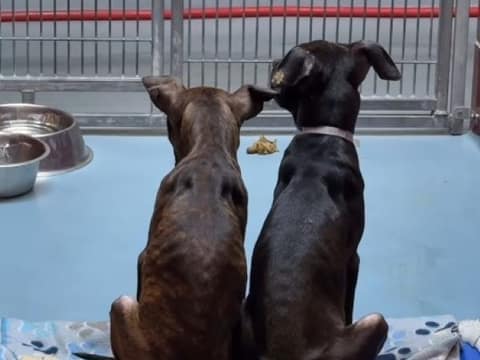 Two Puppy Brothers Reached Through the Bars Before Hope Ran Out
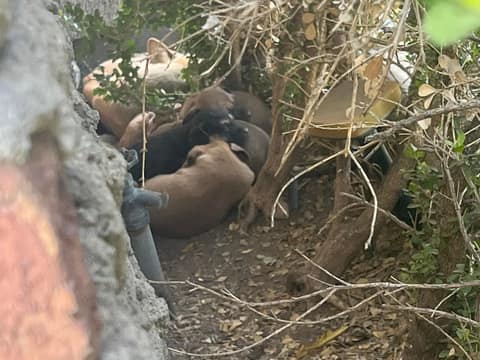 She Would Not Leave Her Babies, Even When The Wind Grew Cruel