
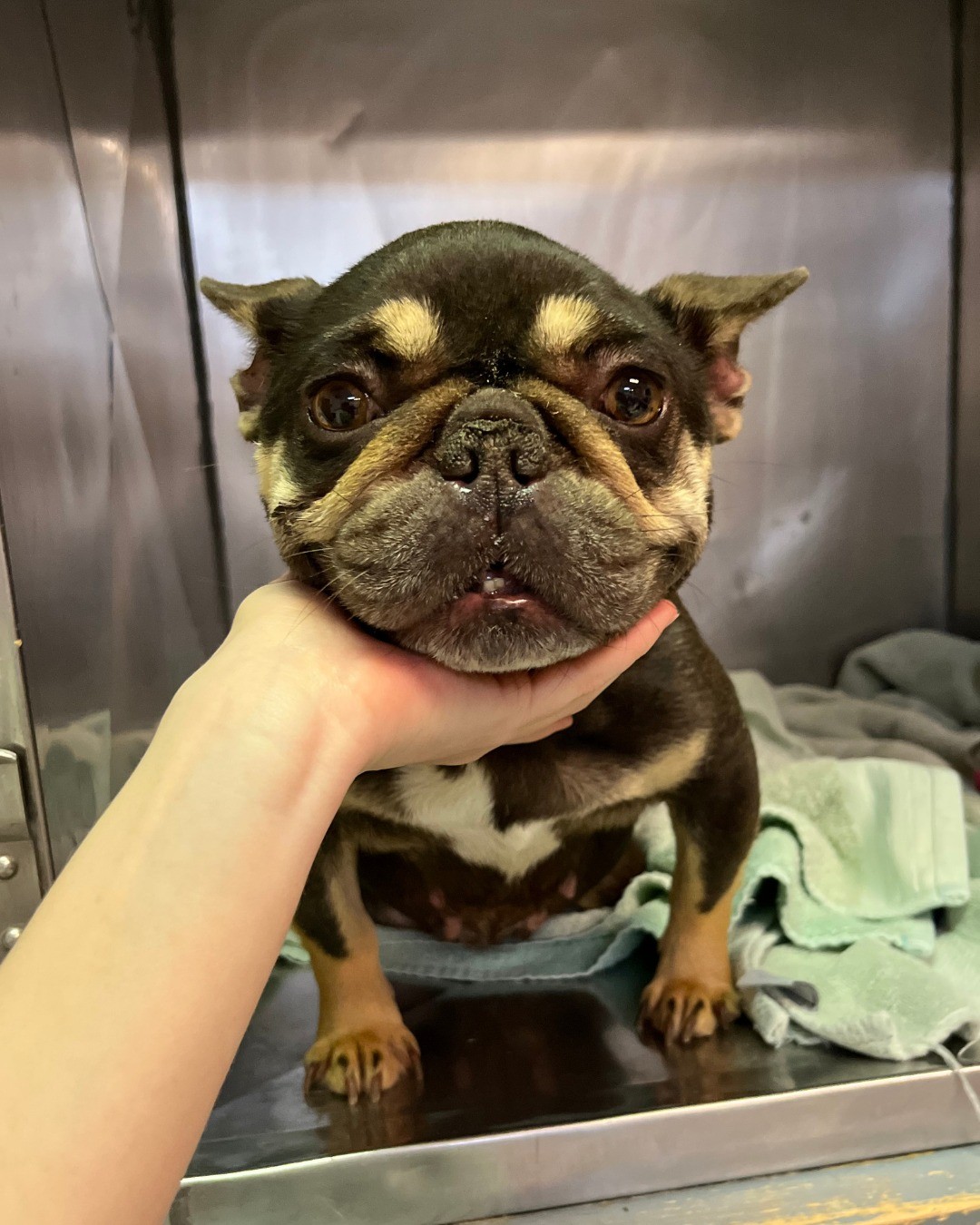
The morning began like many others at a Texas animal shelter, with the rescue staff arriving to care for the animals who needed them.
Then they noticed a cardboard box sitting near the entrance.
A small note was attached, and a soft, furry surprise was waiting inside.
Also readThe Dog No One Understood Just Wanted To Be Loved
When the rescuers opened the box, a tiny dog looked back at them with curious eyes.
No one knew who had left her there or what she had experienced before arriving at the shelter.
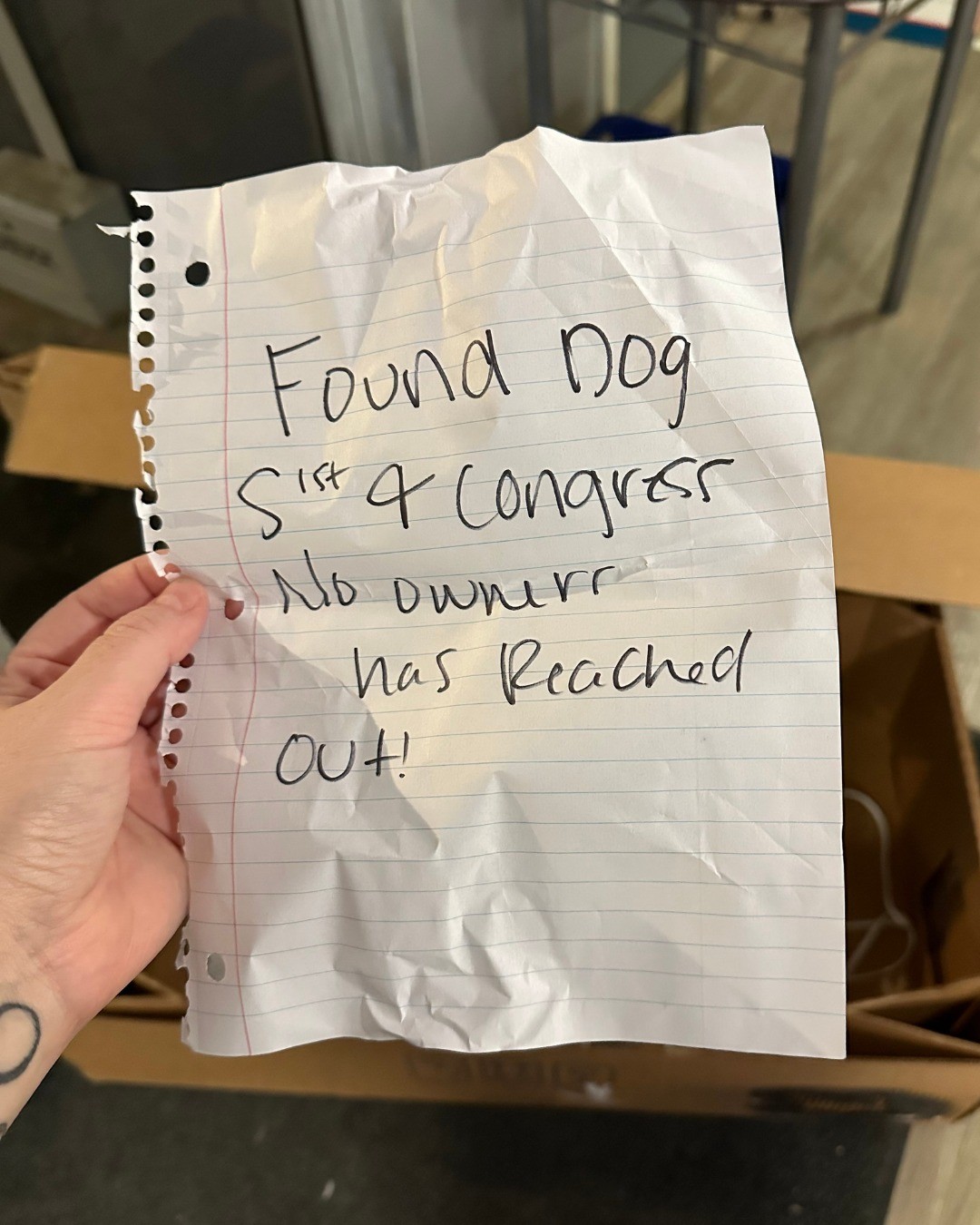
The message on the box offered only a few details: “Found Dog S. 1st & Congress. No owner has reached out.”
The note made it clear that the person who brought her there was not claiming to be her owner.
Someone had apparently found the little dog, waited for an owner to come forward, and then placed her near people who could keep her safe.
Leaving a dog outside a shelter is never the outcome rescuers hope to see, but this pup had at least been brought close to help.
That decision gave her something many abandoned dogs never receive: a real chance.
The staff quickly carried her inside, where they could offer warmth, food, comfort, and careful attention.
They named the tiny pup McNugget, a playful name for a dog whose past remained a mystery.
Her bright eyes and gentle face were easy to adore, but it soon became clear that she was facing serious physical challenges.
McNugget could not use her back legs.
She could pull herself forward with her front legs, but the back of her body could not move as it should.
For a little dog who should have been able to scamper toward a friendly voice, even basic movement required tremendous effort.
The shelter team began seeking medical answers so they could understand what was causing her limited mobility.
Examinations revealed that McNugget had a collapsed disc and spondylosis, a condition affecting the spine.
The diagnosis was difficult to hear, especially because no one could promise that she would quickly regain the ability to walk.
Still, knowing what was wrong allowed her caregivers to focus on the support and treatment she needed.
Her back legs were not working, but the lively little dog remained engaged with the people around her.
She accepted their help and began learning that the hands reaching toward her were there to offer comfort.
McNugget’s progress did not happen through one dramatic breakthrough.
Instead, it appeared in small changes that showed she was becoming more comfortable and secure.
She received medical attention for the problems affecting her spine, and she no longer had to struggle through each day alone.
Walking remained out of reach, but safety had already transformed her life.
In rescue work, healing is not always measured by how far an animal can run or how quickly a condition improves.
Sometimes progress looks like a relaxed body, a peaceful nap, or a frightened dog finally trusting someone enough to rest.
For McNugget, becoming comfortable was a meaningful victory.
The rescue staff continued doing everything possible to give her an opportunity to improve.
They could not change what had happened before she arrived in the cardboard box, but they could shape what happened next.
A major step came when McNugget was placed with a foster family.
The move allowed her to leave the shelter and experience the steadier rhythms of life inside a home.
A foster home offered familiar voices, close attention, and people who could learn what she needed from one day to the next.
Those details can be especially important for a dog with limited mobility.
A soft resting place can protect a sore body, while patient assistance can make meals, bathroom breaks, and ordinary routines less stressful.
A calm home can also teach a vulnerable dog that she no longer needs to remain alert for danger.
McNugget responded remarkably well to the change.
As she settled into her foster home, the people caring for her had a chance to see more than her medical condition.
They saw her personality, her enthusiasm, and the energy shining through her curious eyes.
Her inability to use her back legs did not make her less deserving of comfort, affection, or a permanent place to belong.
She needed people willing to see the whole dog rather than only the difficulties connected to her diagnosis.
McNugget had reached safety, received treatment, and discovered the security of a foster home, but another life-changing moment was still ahead.
Before long, McNugget was adopted.
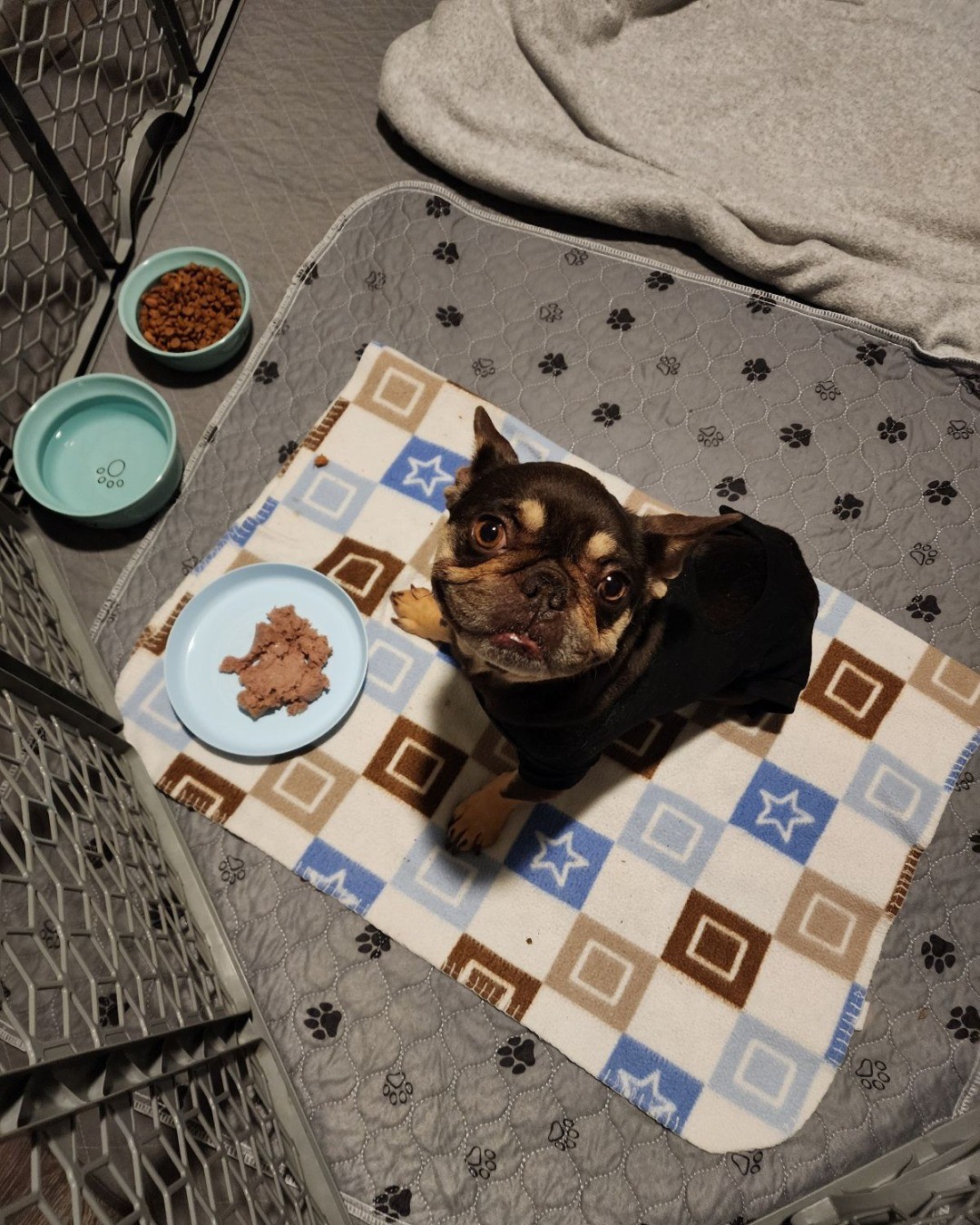
The tiny dog who had once been found inside a box outside the shelter finally had a permanent family.
Her adopters also gave her a new name: Shrimpina.
The name marked the beginning of a fresh chapter, though it could not erase the physical problems she had already endured.
She was no longer simply an unidentified dog whose owner had never come forward.
She was Shrimpina, a beloved family member with people committed to helping her move forward.
Her family continued the therapy that was supporting her recovery and giving her opportunities to improve.
They understood that progress could require patience, consistency, and faith in changes that might come little by little.
Shrimpina approached that work with the same enthusiastic spirit she had shown throughout her rescue journey.
She continued making progress, and her family remained hopeful that she would eventually be able to walk more easily.
There was no guarantee about exactly when or how that improvement might happen.
There was simply a hopeful path ahead, supported by therapy and by people who refused to give up on her.
For Shrimpina, progress was never a competition or a race against another dog.
Every small improvement mattered because it belonged to her own journey.
Her physical limitations did not take away her interest in the world or the joy she brought to the people around her.
She continued meeting each day with energy, even when her body required additional support.
Shrimpina’s second chance was created through several acts of care.
The unknown person who found her brought her near help instead of leaving her in an isolated place where survival would have been far more difficult.
The shelter team carried her inside, noticed that she could not use her back legs, and sought answers.
Medical professionals identified the collapsed disc and spondylosis that were affecting her mobility.
Her foster family then gave her a home environment where she could become comfortable and receive individual attention.
Finally, her adoptive family welcomed her permanently and committed to continuing her therapy.
It is painful to imagine what might have happened if Shrimpina had been abandoned somewhere far from help.
A small dog unable to use her back legs would have struggled to find food, seek shelter, or escape approaching danger.
She could not have run from traffic or traveled far in search of someone willing to protect her.
Instead, she was left outside a shelter where rescuers would see her.
That choice did not answer the questions surrounding her past, but it placed a safer future within reach.
Rescue workers often meet animals during some of the most frightening and uncertain moments of their lives.
Dogs may arrive injured, hungry, exhausted, or confused, with no way to understand that their circumstances are about to change.
Safety must be demonstrated through patient care, reliable meals, medical treatment, and time.
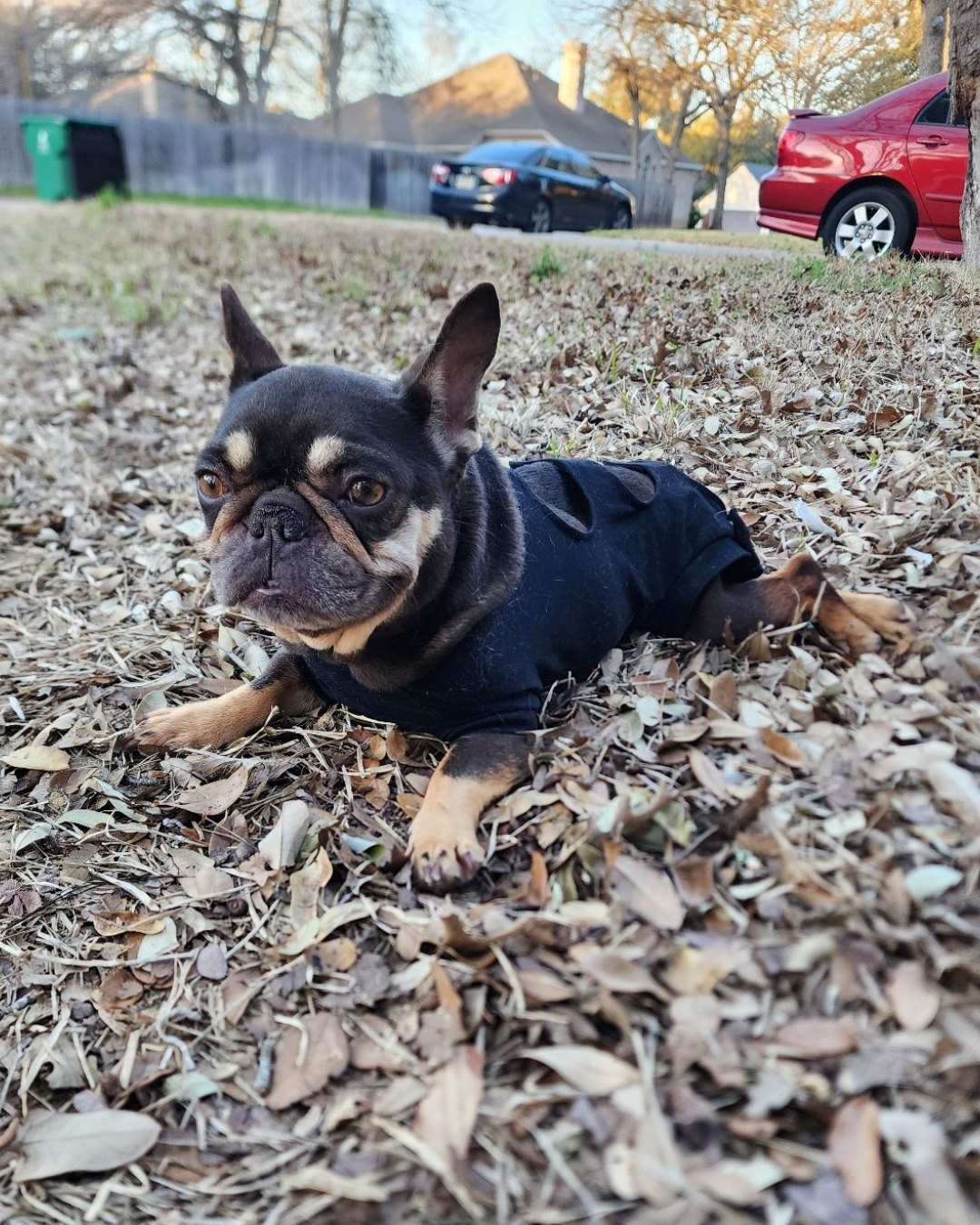
Shrimpina gradually learned that someone would help her move when she could not manage on her own.
She learned that her discomfort would be taken seriously and that people would continue showing up for her.
Her story is not remarkable because every challenge disappeared overnight.
It is remarkable because her rescuers, foster family, and adopters stayed beside her while healing unfolded at its own pace.
They celebrated comfort even when she could not walk, and they valued her trust before expecting physical progress.
Most importantly, they loved the dog in front of them while continuing to hope for everything she might eventually achieve.
Shrimpina did not need to be completely healed before she could be completely loved.
Today, she is thriving with her family and continuing the therapy designed to help her improve.
She still has challenges ahead, but she no longer faces them as an unidentified dog waiting in a cardboard box.
She faces them as a cherished companion surrounded by people who celebrate every sign of progress.
The box near the shelter entrance may have been where rescuers first discovered her, but it does not define who she is.
Shrimpina is defined by her bright spirit, her enthusiasm, and her determination to keep moving toward a more comfortable life.
Her story is also defined by the people who recognized her needs and gave her the support she deserved.
A short note once explained that no owner had reached out for the tiny dog.
In the end, a loving family reached in, welcomed Shrimpina home, and made sure she would never have to face her journey alone again.
 The Puppy Left Behind Woke Up to the Family He Needed Most
 Abandoned Beside a Busy Texas Road, Eggnog Was Too Afraid to Trust Anyone
 Otis Kept Waiting by the Kennel Door Until Love Finally Found Him
 Mother Dog’s Spotted Coat Led Rescuers to Nine Tiny Lives in Danger
 For 21 Rainy Days, Xena Ran From the Car—Until Love Finally Reached Her
 Daisy Watched Other Dogs Go Home While Her Quiet Heart Waited