
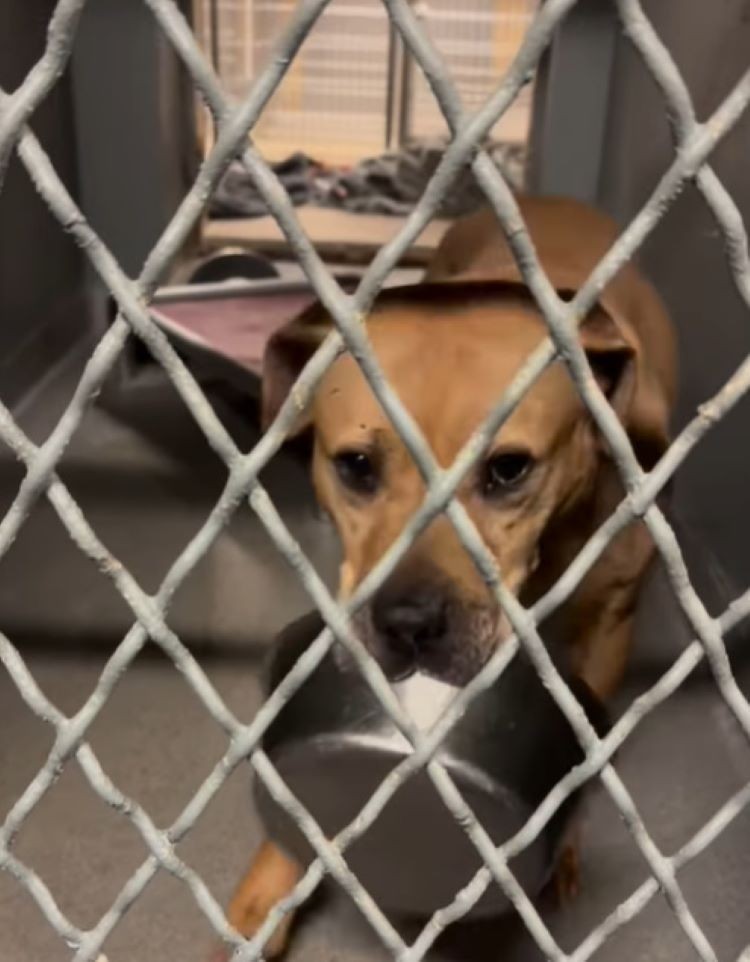
The kennels were filled with barking, footsteps, rattling gates, and all the restless sounds of another day at the shelter.
In the middle of that noise stood Wally, holding his food bowl as if it were the most precious thing in the world.
Many dogs seek comfort in soft blankets, stuffed animals, or favorite toys, but Wally found that feeling of safety in a bowl.
He carried it around the Town of Hempstead Animal Shelter in New York, keeping it close when the strain of kennel life became too much.
To someone passing his kennel, the habit might have looked unusual or even a little funny.
To the caregivers who knew him, it revealed how hard Wally was working to comfort himself.
He had been waiting at the shelter for more than 1,800 days, enduring nearly five years of noise, isolation, and uncertainty.
That meant years of waking behind a kennel door, watching people come and go, and seeing other dogs leave while he remained behind.
Although shelter workers gave him care and affection, they knew even the most dedicated team could not replace the stability of a permanent family.
Through all those unsettled days, Wally’s food bowl became the familiar object he could trust.
It was always near him, and it belonged to him in a place where so much could change without warning.
Shelter workers had seen dogs become attached to blankets and plush toys before, but they had never seen a bond quite like Wally’s connection to his bowl.
He did not simply eat from it and walk away.
He carried it with him as an emotional anchor, turning an ordinary object into his small source of peace.
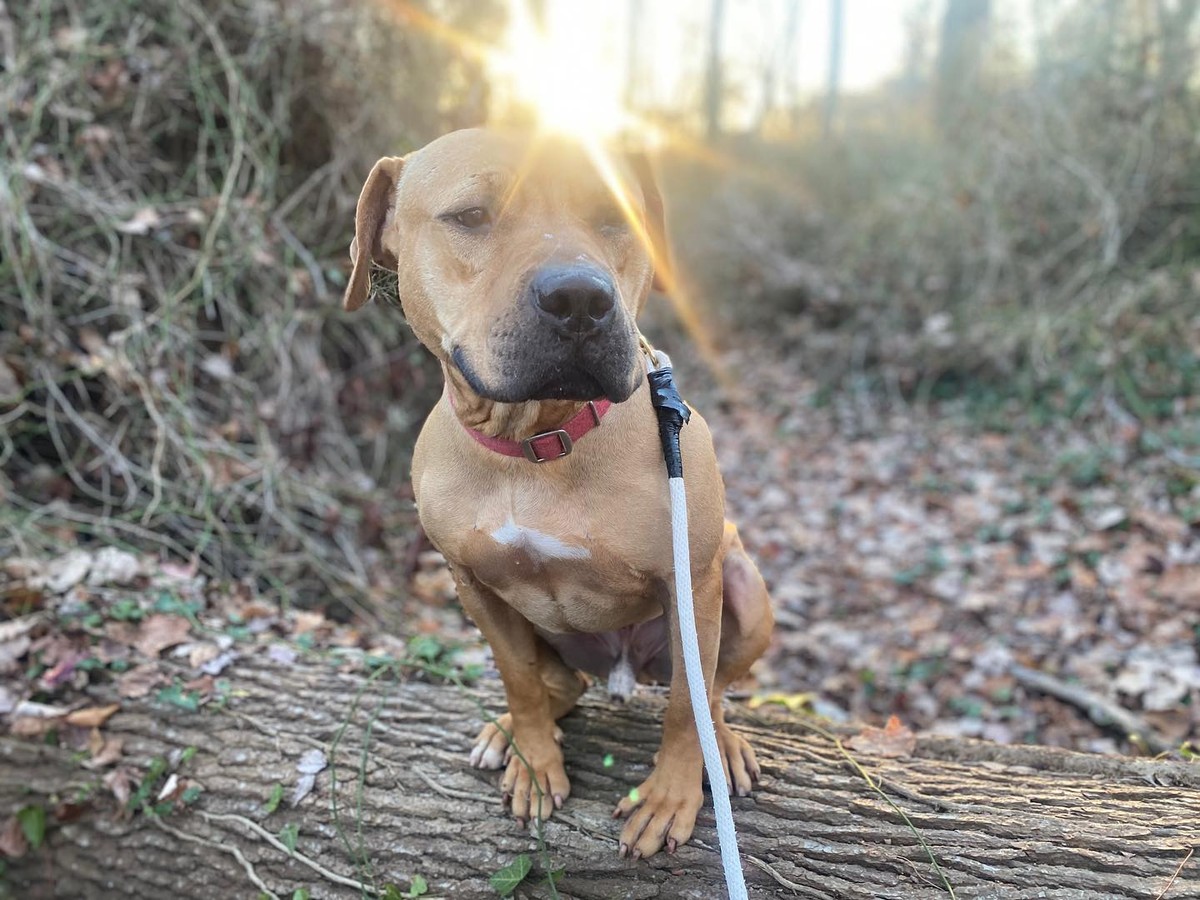
The sight was touching, but it also broke the hearts of the people caring for him.
A food bowl should not have to carry the full weight of a dog’s need for comfort.
Wally deserved a quiet place to sleep, familiar people beside him, and the certainty that he would still be home when morning arrived.
Instead, each day ended with him returning to the same stressful kennel environment.
The shelter team tried everything it could to ease his anxiety and keep his spirits up.
Staff members offered attention, exercise, playtime, treats, and the reassuring presence of people who had grown to love him.
Over the course of five years, Wally became a favorite among the team, making his long wait even more painful for everyone who knew him.
They could give him happy moments, but they could not explain why nobody had offered him the lasting home he needed.
Dogs do not understand adoption lists or count the passing months, but they recognize routines, departures, and the feeling of being left behind.
Wally knew when footsteps approached his kennel, when someone stopped to speak gently, and when that person eventually walked away.
His story was especially difficult because he had already left the shelter twice.
Wally had been adopted on two separate occasions, only to be returned both times.
Neither return happened because of his behavior.
He remained the upbeat and affectionate dog his shelter friends knew, and he had not done anything to lose those homes.
Even so, each return appeared to affect him deeply.
The staff noticed that he seemed a little more subdued and anxious whenever he came back.
A dog cannot understand all the human circumstances that cause a home to end, nor can he be reassured with an explanation that it was not his fault.
He only knows that the place he had started to trust is gone and that he is once again surrounded by kennel noise.
For Wally, the bowl remained familiar through those painful changes.
It was there after both adoptions ended, there when the shelter quieted for the night, and there when another morning began.
Almost everything else in shelter life depended on doors, schedules, and decisions Wally could not control.
His bowl was the one thing he could pick up and carry wherever he wanted.
Yet the anxious dog seen inside the kennel was only one part of who Wally truly was.
Whenever he got outside, a brighter and more energetic side of him appeared.
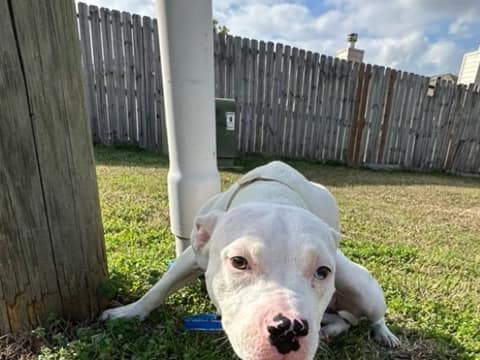
Wally loved running, playing, and spending time with the shelter staff and other dogs.
He was quick to exchange his toys for treats, happily joining in a simple game with the people around him.
Those moments showed an affectionate dog who still wanted connection despite everything he had experienced.
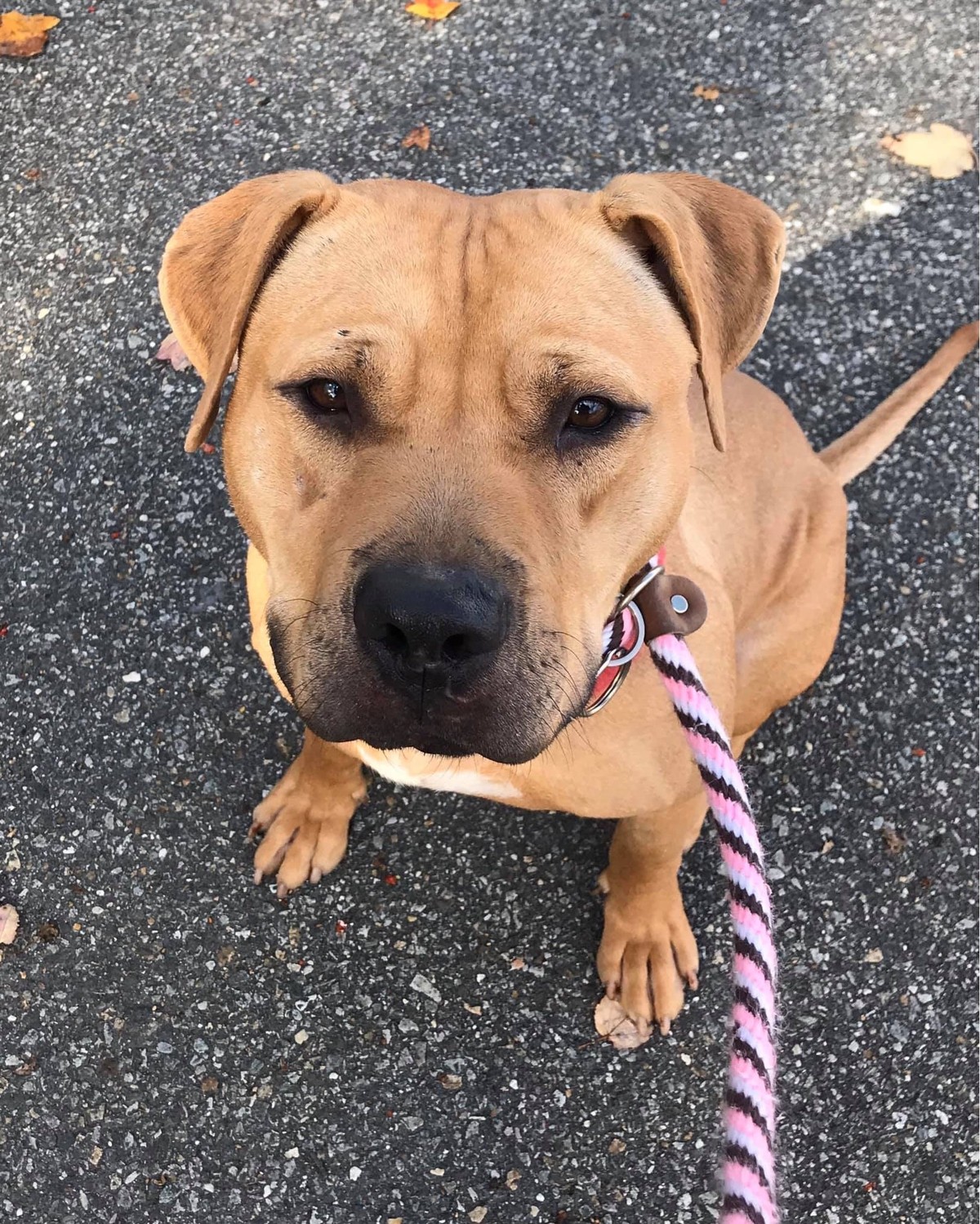
His caregivers watched him come alive beyond the kennel and saw how much happiness remained in him.
For a little while, the long wait and constant noise seemed to loosen their hold.
The difference was so striking that Wally could seem like a completely different dog once he had room to move and play.
Inside the kennel, stress weighed on him, while outside he could run, interact, and show the loving personality his caregivers treasured.
Shelter environments can be difficult even for dogs who stay only briefly.
There is rarely much true quiet when barking echoes through the building and unfamiliar people continually arrive and leave.
For a dog who has lived with that strain for years, the emotional toll can become even harder to hide.
Wally’s staff understood that his anxiety did not define his whole personality.
They saw the playful dog who beamed with happiness outside and continued believing that he could thrive with the right family.
His bowl offered temporary reassurance, but a stable home could provide the deeper security no object could replace.
The shelter team remained optimistic even after more than 1,800 days had passed without the outcome they wanted for him.
They had watched Wally face two returns, years of kennel stress, and countless days without serious adoption interest.
Through it all, he continued accepting affection and making the most of every joyful opportunity.
He had not stopped playing.
He had not stopped connecting with the people who cared for him.
Most importantly, he still had love to give.
That resilience made the sight of him carrying his bowl both sweeter and more heartbreaking.
It showed his ability to find comfort where he could, but it also showed how badly he needed something steady in his life.
His caregivers wanted him to know the ordinary security that comes with belonging to a family.
They wanted him to wake in the same trusted place each morning and hear familiar voices calling his name.
They wanted him to enjoy walks, naps, playtime, and quiet evenings without rows of barking dogs nearby.
In a permanent home, his food bowl could finally become just a bowl.
It could remain on the floor after dinner instead of serving as the one possession he carried for reassurance.
Wally could rest beside someone who understood that adjustment might take patience after so many years of uncertainty.
He could begin learning that a closing door did not always mean another goodbye.
The shelter workers knew that being returned twice did not make Wally less deserving of love.
They also knew that the anxiety created by a long shelter stay did not erase his affectionate, playful nature.
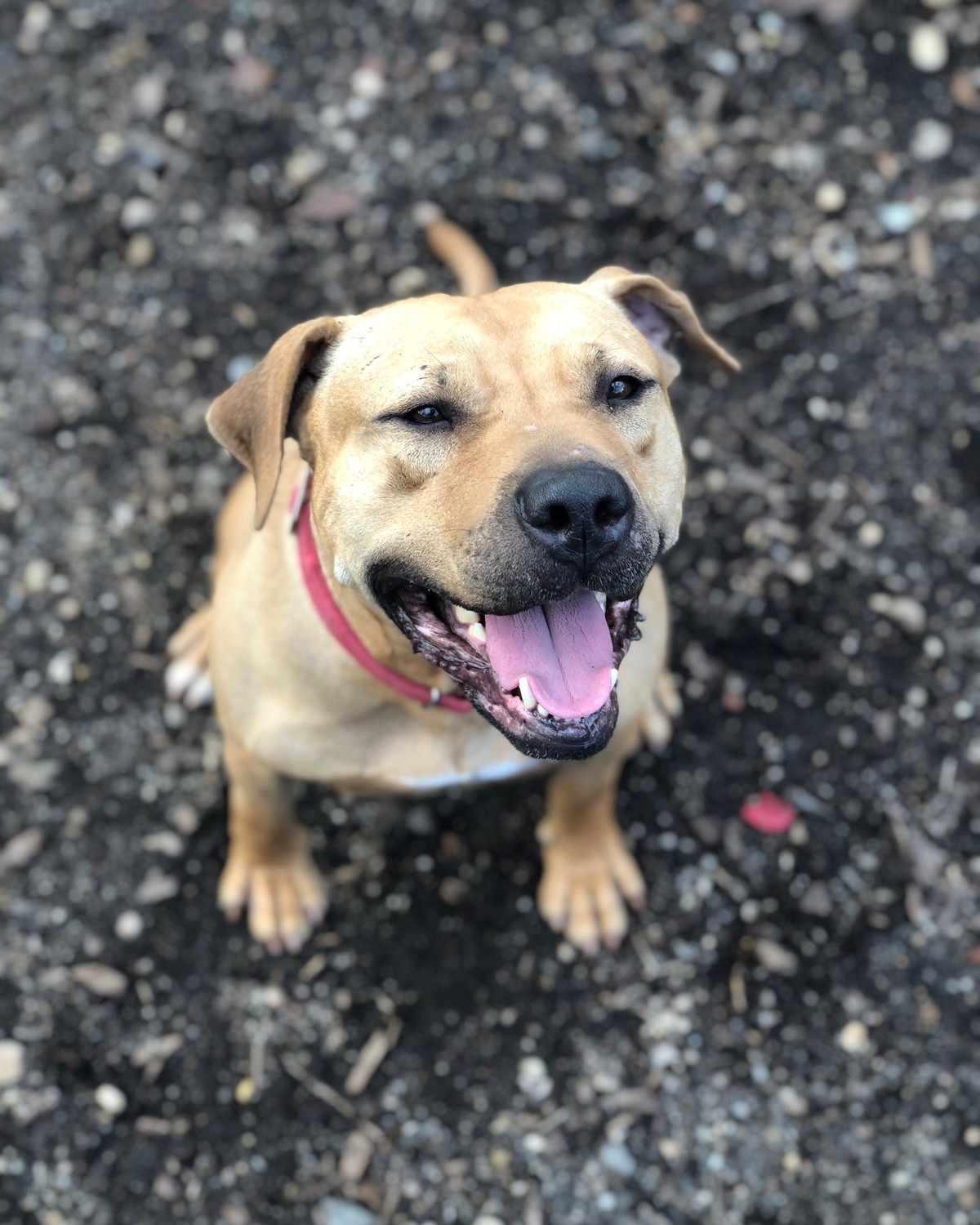
Wally was still the dog who enjoyed running outside, interacting with other dogs, and trading toys for treats.
He was still the dog whose face brightened when he escaped the pressure of his kennel for a while.
Those happy moments gave his caregivers hope that a permanent home could bring out that side of him more often.
They continued lifting his spirits while waiting for someone else to recognize the dog they already cherished.
For more than 1,800 days, Wally’s bowl helped him cope with a world that never felt fully settled.
It stayed close during the loud days and offered something familiar after the disappointment of two failed adoptions.
But the thing Wally truly needed was not another toy or a different comfort object.
He needed people who would see beyond his stress and give him time to feel safe.
He needed a home that would not disappear just as he began to trust it.
Until that opportunity came, the shelter staff continued giving him exercise, attention, treats, and every bit of encouragement they could offer.
They celebrated the lively dog who emerged outside the kennel and held onto their belief that his long wait could still end happily.
Wally had endured years of uncertainty without losing his desire to play, connect, and be loved.
He kept his bowl close because it was familiar, but his caregivers knew his heart was still waiting for something more.
It was waiting for quiet rooms, dependable footsteps, and a family that would finally stay.
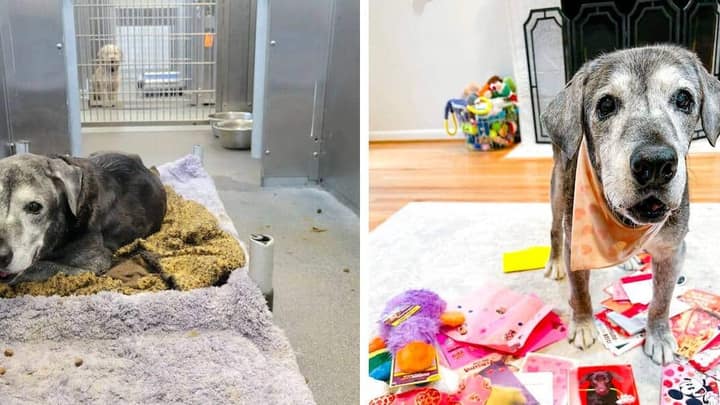
 Armando Cried Alone in a Parking Lot, but the Note Beside Him Told a Story of Love
 Miso’s Face Fell When His Day of Freedom Came to an End
 Midge’s Quiet Car Ride Revealed How Tired Her Little Heart Had Become
 Leo’s Gray Muzzle Hid a Young Heart That Was Waiting to Love Again
 Abandoned Lola Saw a Police Car—and Chose Hope
 Snow Trembled At Every Touch Until One Foster Mom Sat Down And Waited