
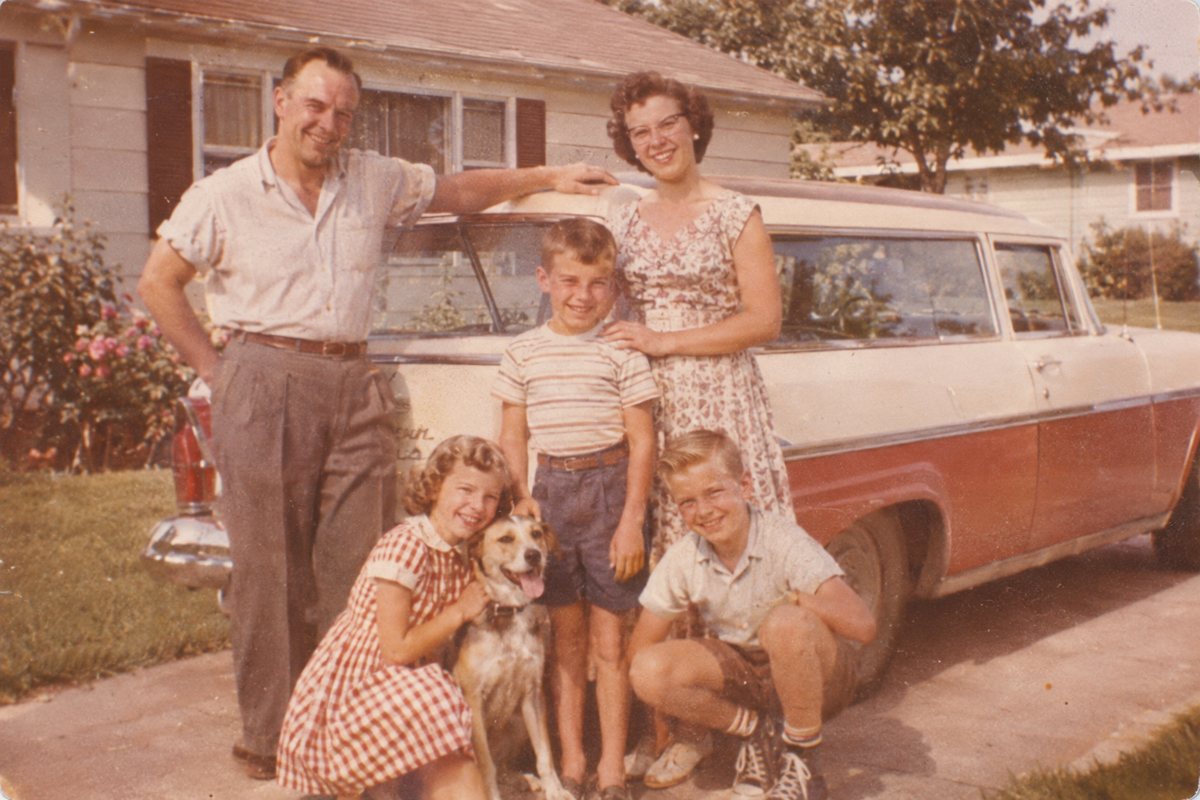
Some customs were charming, while others are best left in the photo album. Prepare to say “wait, really?” more than once.
1. Letting the dog roam the neighborhood
Many family dogs wandered from yard to yard and returned for supper. Neighbors often knew the dog without knowing exactly who was responsible for him.
Fences, leash rules, traffic, and modern safety expectations changed that freedom. An unattended neighborhood tour now feels startlingly risky.
Also readPurple Puppy With Burned Ears Finally Finds The Love He Always Deserved
2. Opening the door and calling that a walk
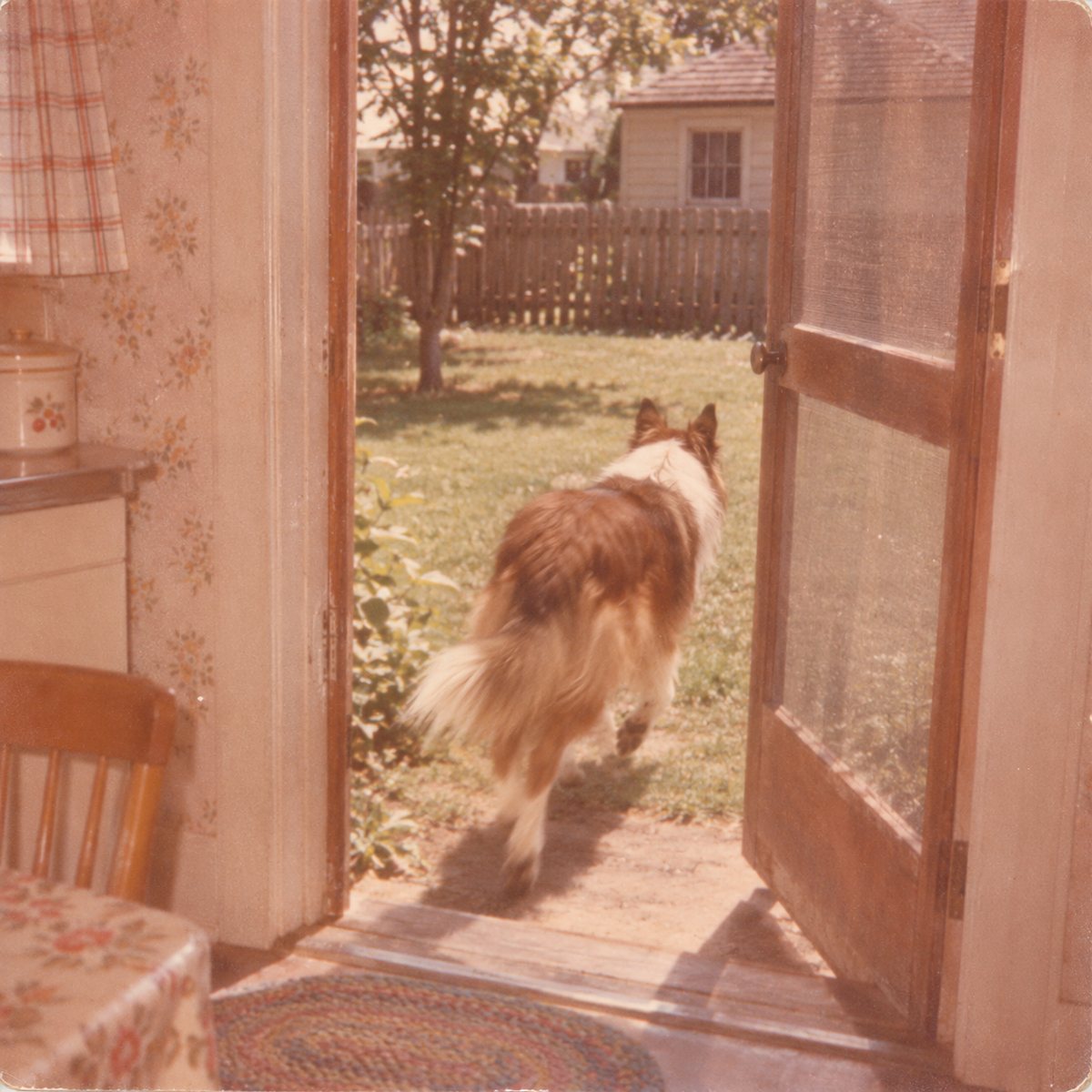
A morning outing might mean opening the back door and saying, “Go on.” Structured walks were far less central to everyday dog care.
Today a walk is exercise, enrichment, training, and together time. The old one-step routine seems almost too casual.
3. Feeding whatever the family had left
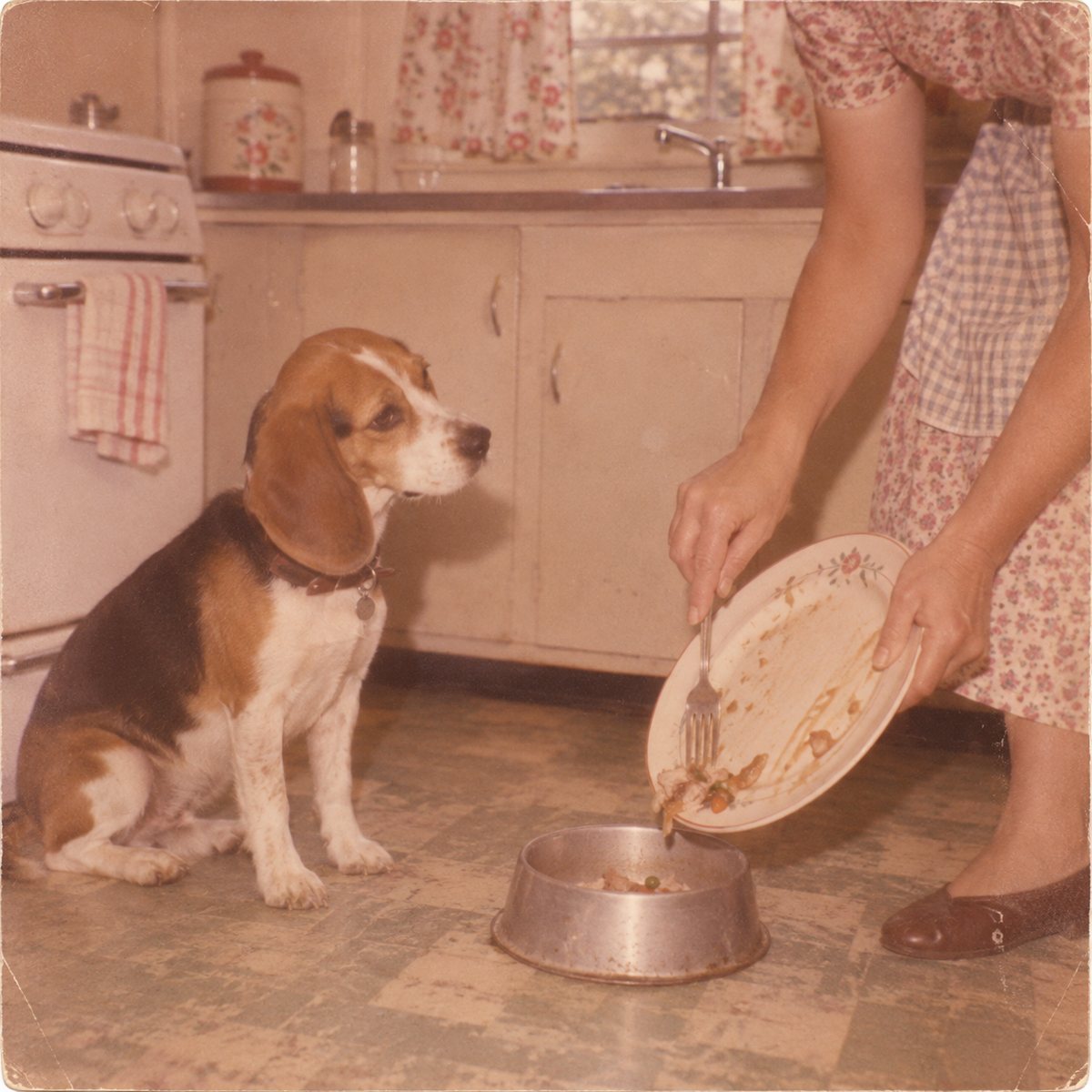
Gravy, potatoes, meat trimmings, and bread commonly landed in the dog's dish. A carefully balanced canine diet was not the household obsession it is now.
Owners today know that some human foods are unsafe and rich leftovers can cause trouble. The nightly scrap bowl looks different through modern eyes.
4. Giving cooked bones after dinner
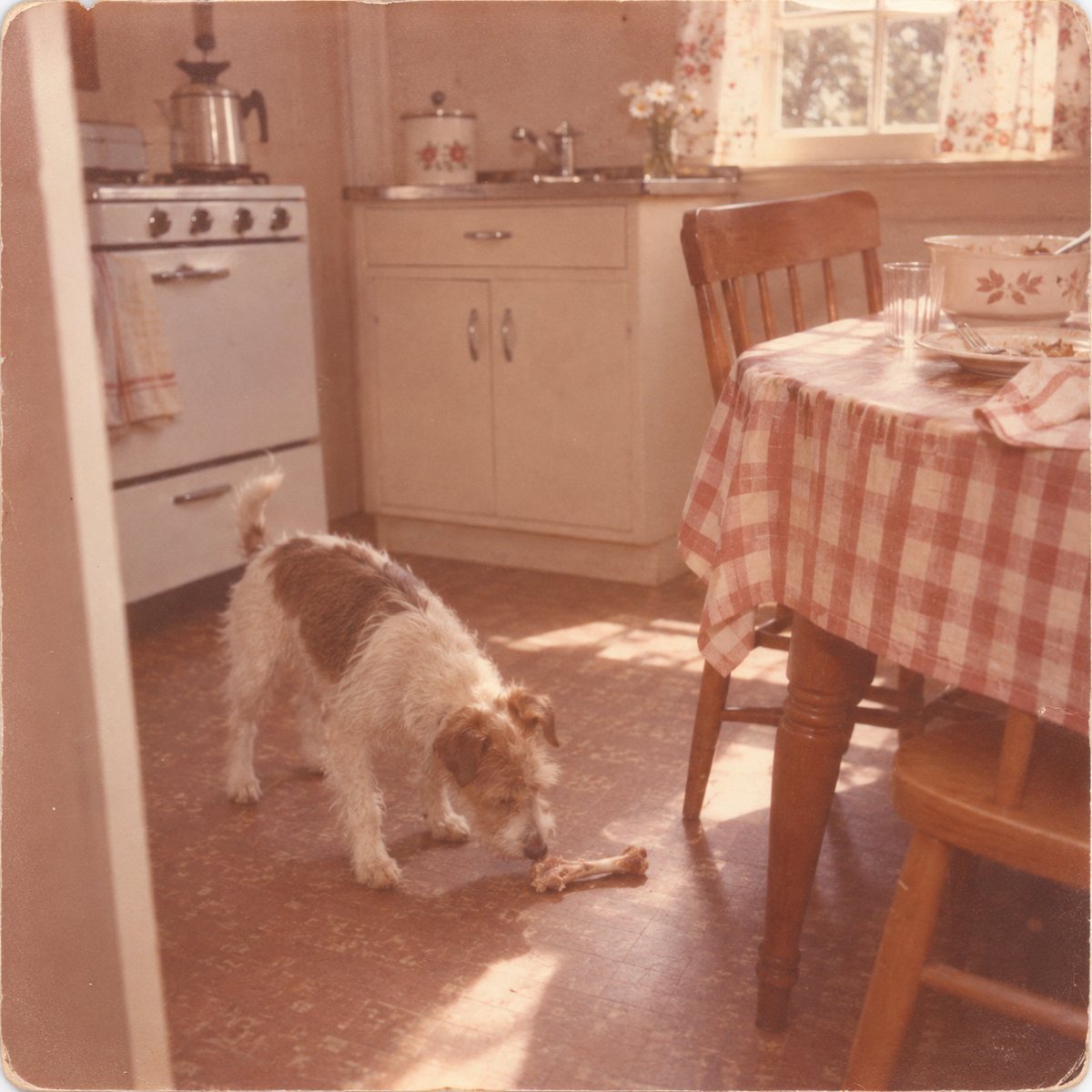
A leftover bone was widely treated as the perfect canine reward. Few families paused to consider splintering, choking, or intestinal injury.
Veterinarians now warn against cooked bones. What once looked generous can make a modern dog owner wince.
5. Buying dog food from a general store barrel
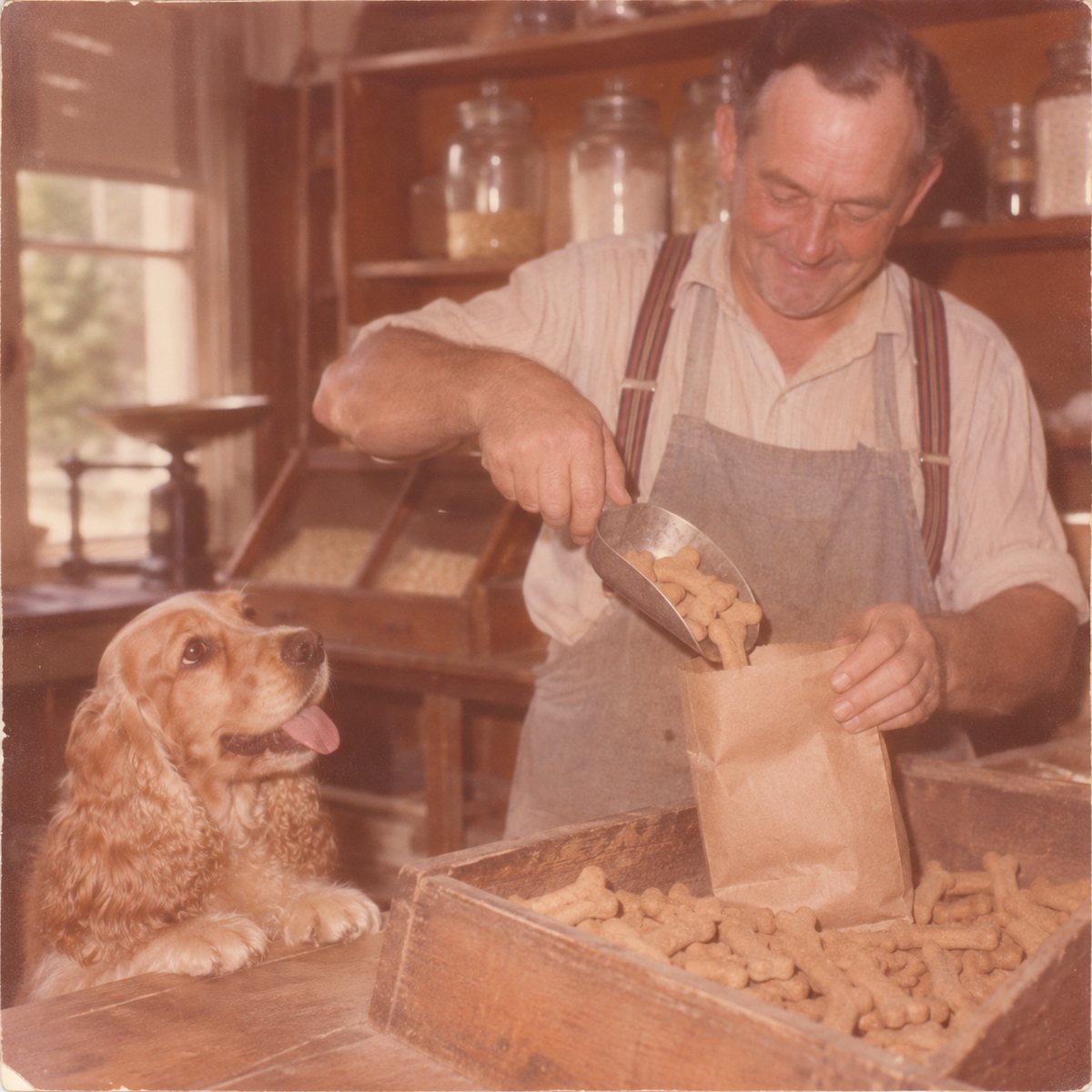
Some owners bought biscuits or feed by weight rather than choosing among walls of specialized bags. The scoop and paper sack were part of the errand.
Modern labels provide ingredients, feeding guidance, and life-stage information. The anonymous barrel feels like a relic from another world.
6. Using the family shampoo on the dog
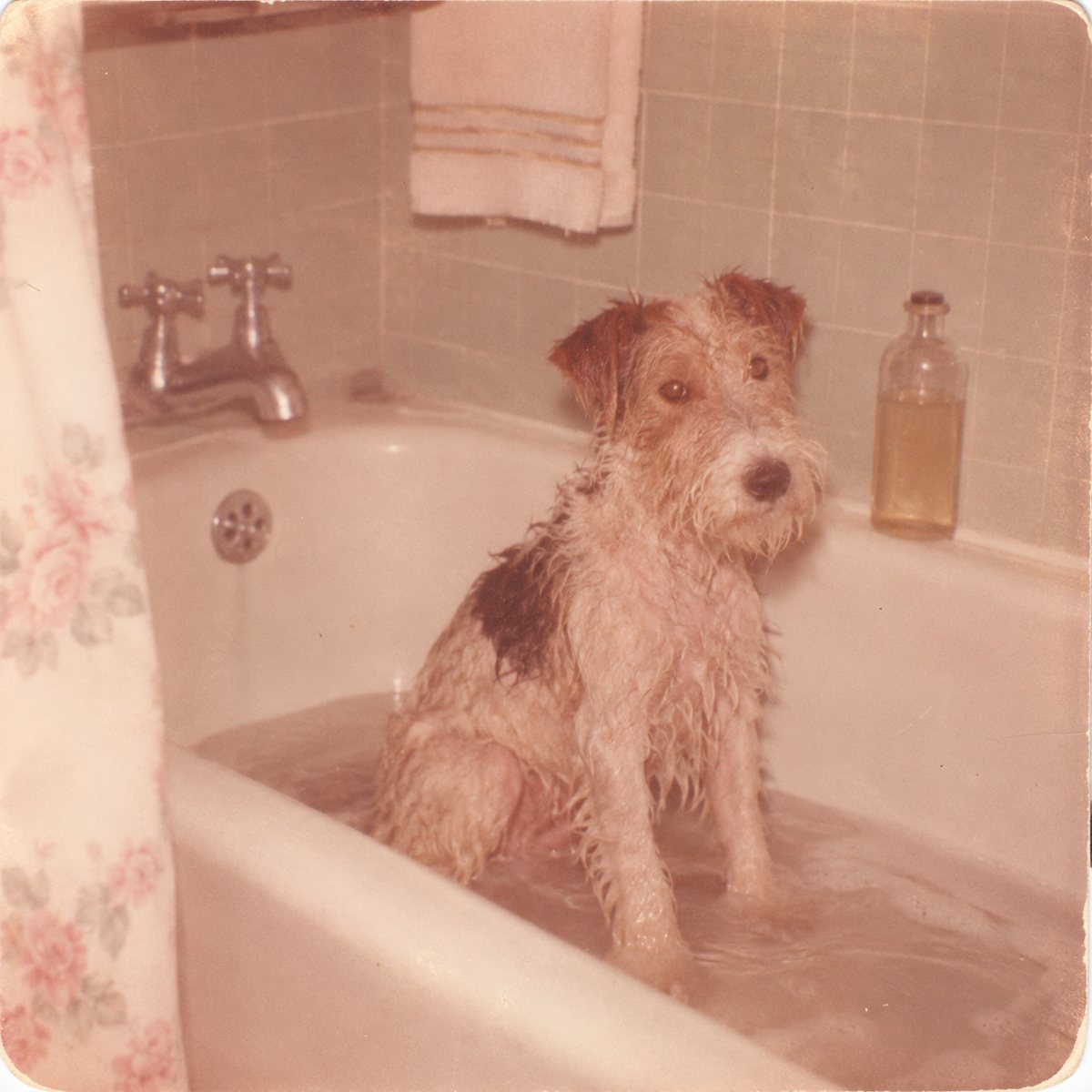
When the dog smelled bad, the nearest soap or shampoo often did the job. Coat and skin differences received little household attention.
Dog-specific products and groomer advice are now easy to find. The shared bottle in the bathroom seems oddly optimistic.
7. Bathing the dog outdoors in a washtub
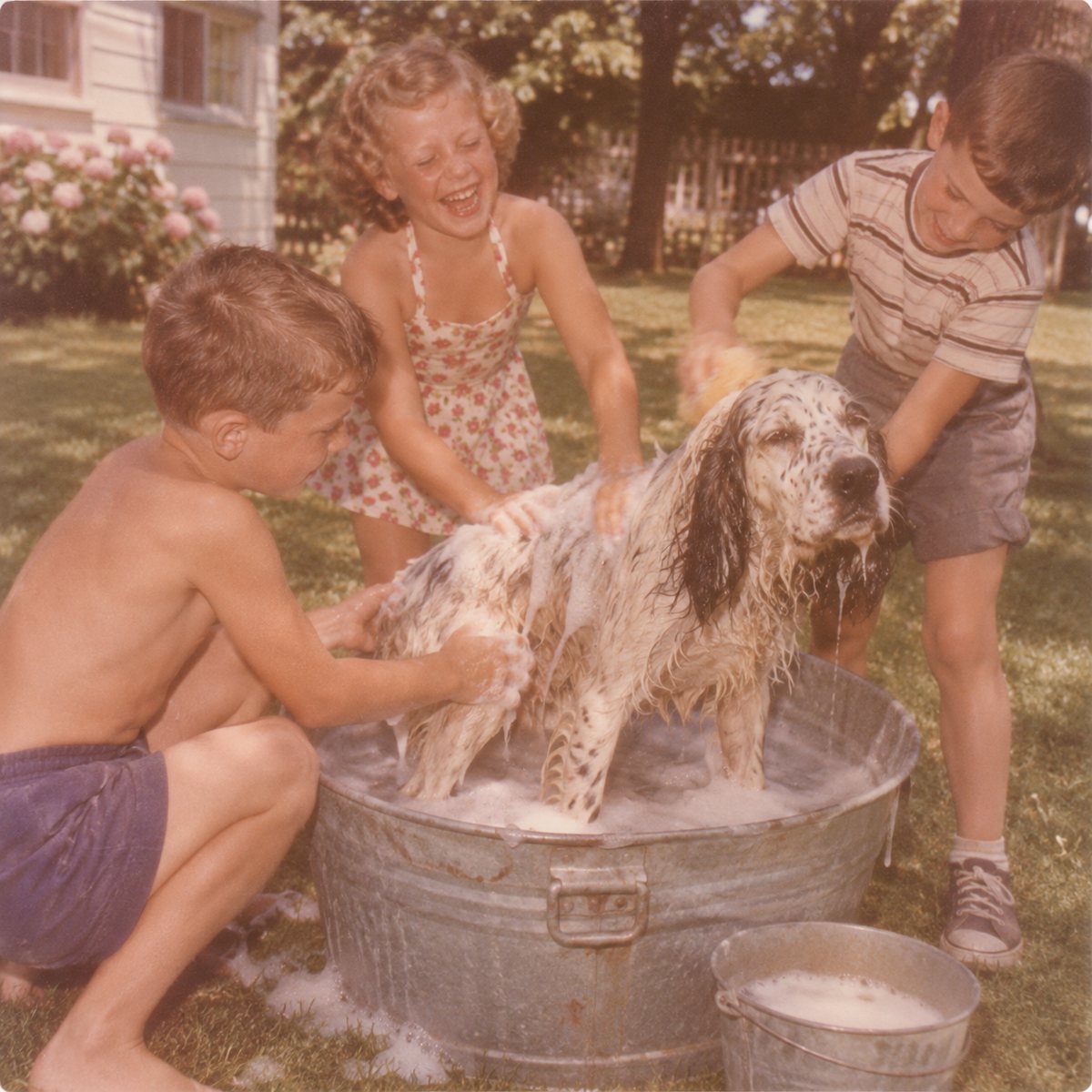
Warm weather meant a galvanized tub, a bucket, and an indignant dog on the lawn. The rinse might come straight from the garden hose.
Indoor tubs, nonslip mats, and professional bathing are more common now. The backyard production remains wonderfully vivid.
8. Dusting the coat with flea powder
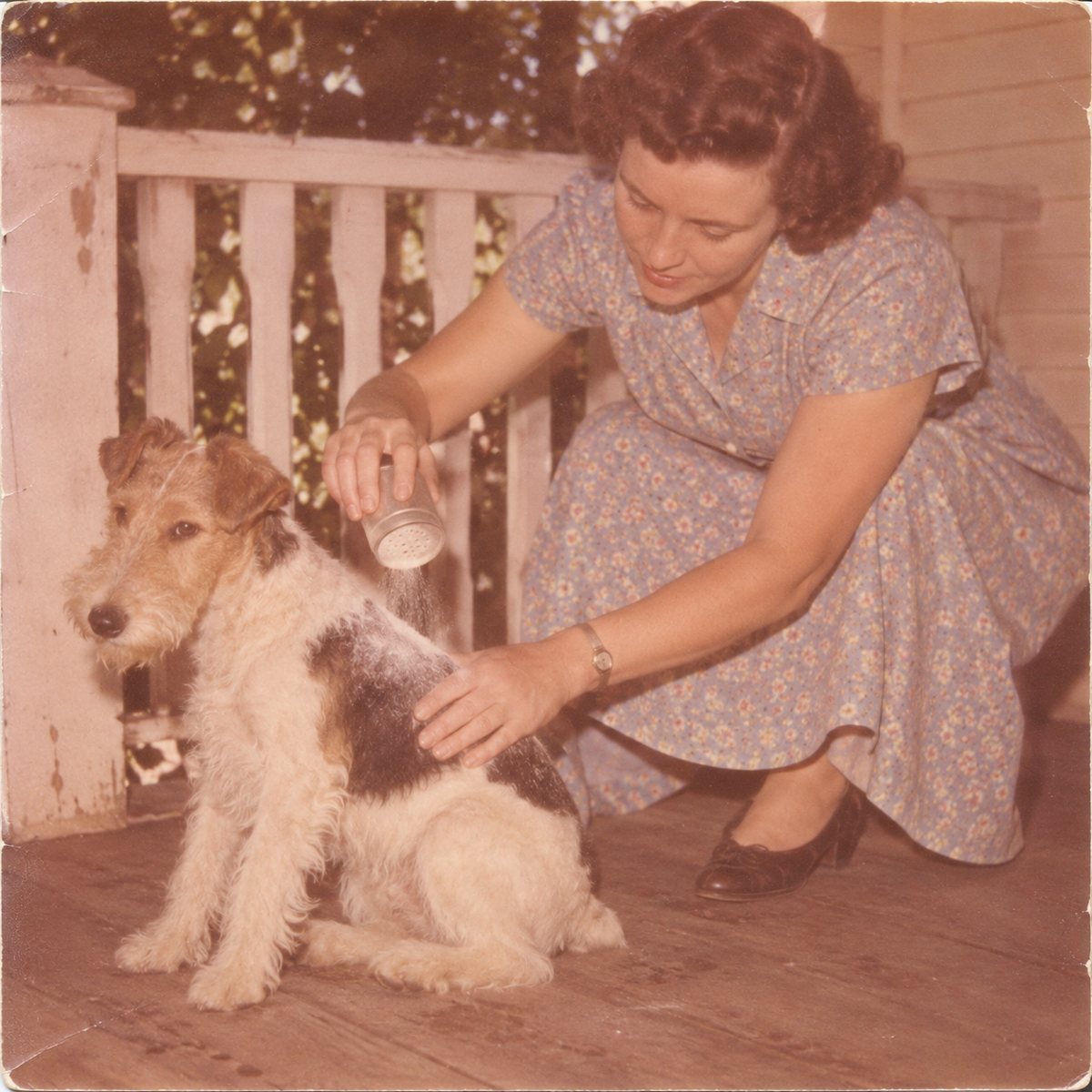
Flea control often arrived as a strongly scented powder shaken through the fur. Clouds of dust could cover the dog and the person applying it.
Modern owners have veterinarian-guided options with clearer dosing. That drifting powder cloud would alarm many families today.
9. Keeping the dog outdoors most of the time
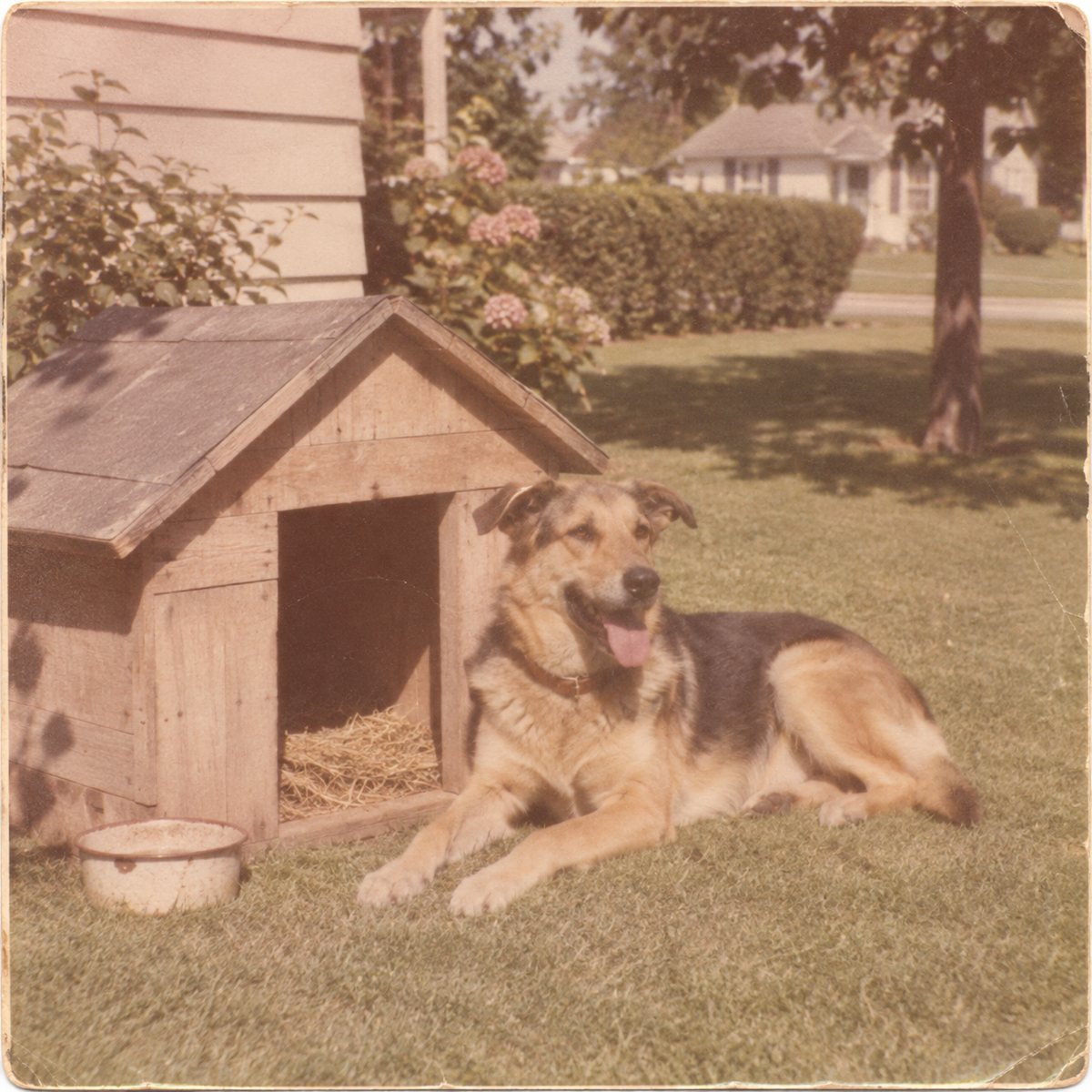
Even beloved dogs often slept in kennels, sheds, or simple wooden houses. Coming inside could be a special privilege rather than the default.
Many dogs now occupy sofas, bedrooms, and family group chats. The distance between pet and household has narrowed dramatically.
Also read: 20 Collar and Leash Mistakes Nobody Warns You About
10. Tying the dog to a clothesline
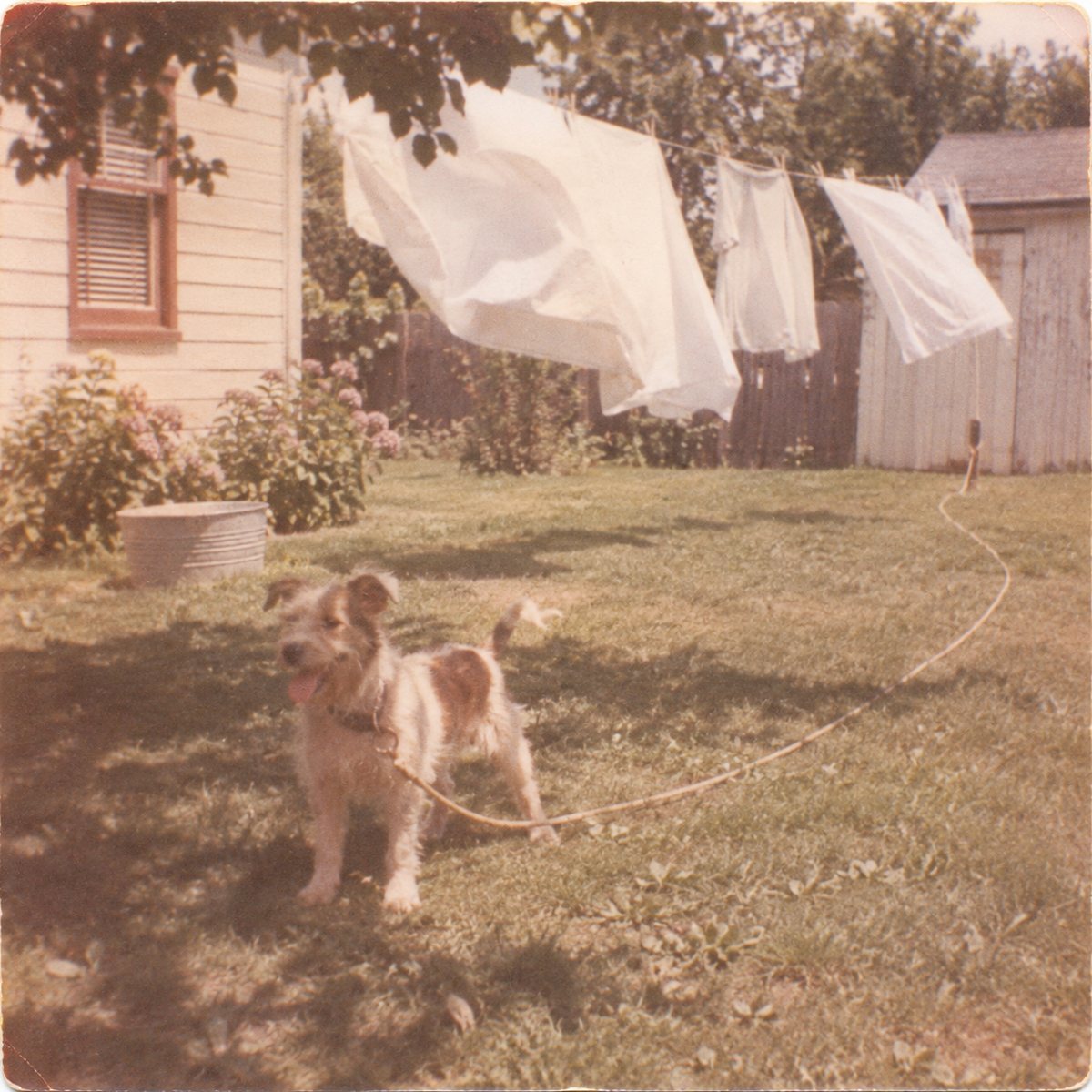
A long line clipped to the clothesline gave a dog a strip of yard to patrol. Tangling around poles and laundry was accepted as part of the arrangement.
Long-term tethering raises serious welfare and safety concerns today. The image of sheets, socks, and one circling dog feels unmistakably dated.
11. Transporting dogs loose in the car
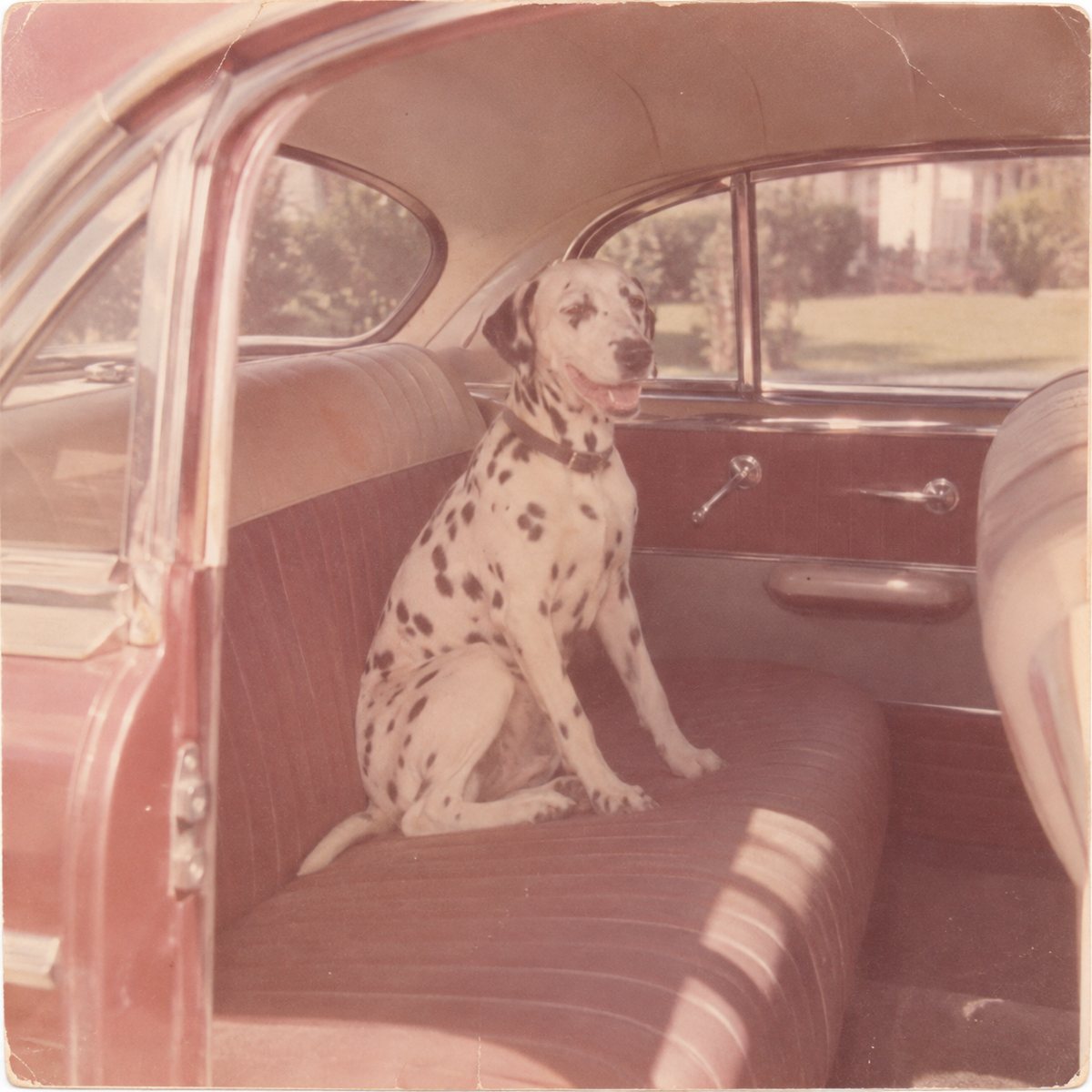
Dogs rode on laps, floors, and wide bench seats without restraints. A head out the window was practically part of the trip.
Crash-tested restraints and secured travel crates have changed the conversation. The old family drive looks carefree and precarious at once.
12. Sending the dog in the luggage compartment
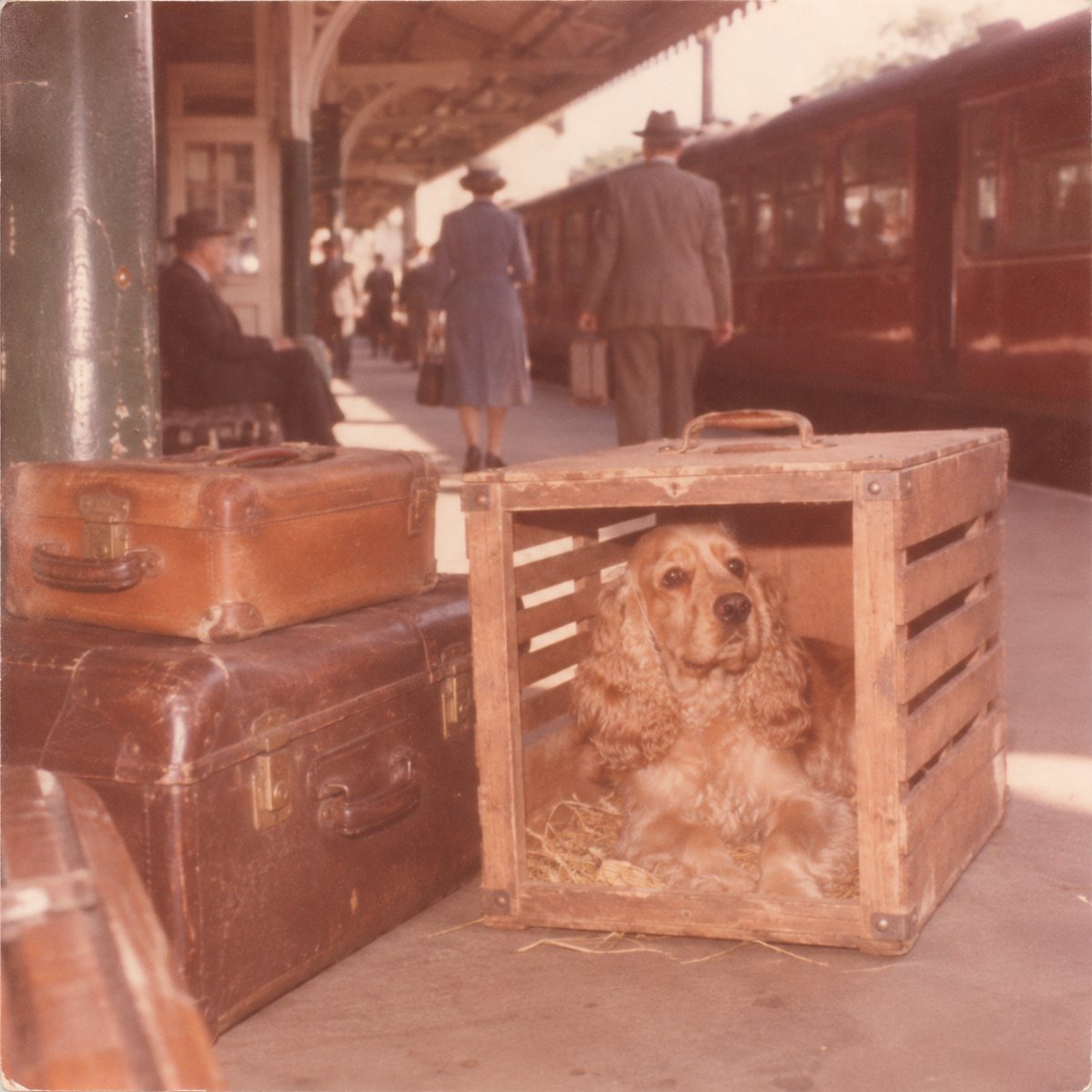
Long-distance animal travel had fewer consistent safeguards and far less public scrutiny. Families sometimes accepted arrangements they would question immediately now.
Current travel planning emphasizes approved carriers, temperature risks, and detailed rules. The casual handoff belongs to a less cautious era.
13. Using a choke chain as everyday gear
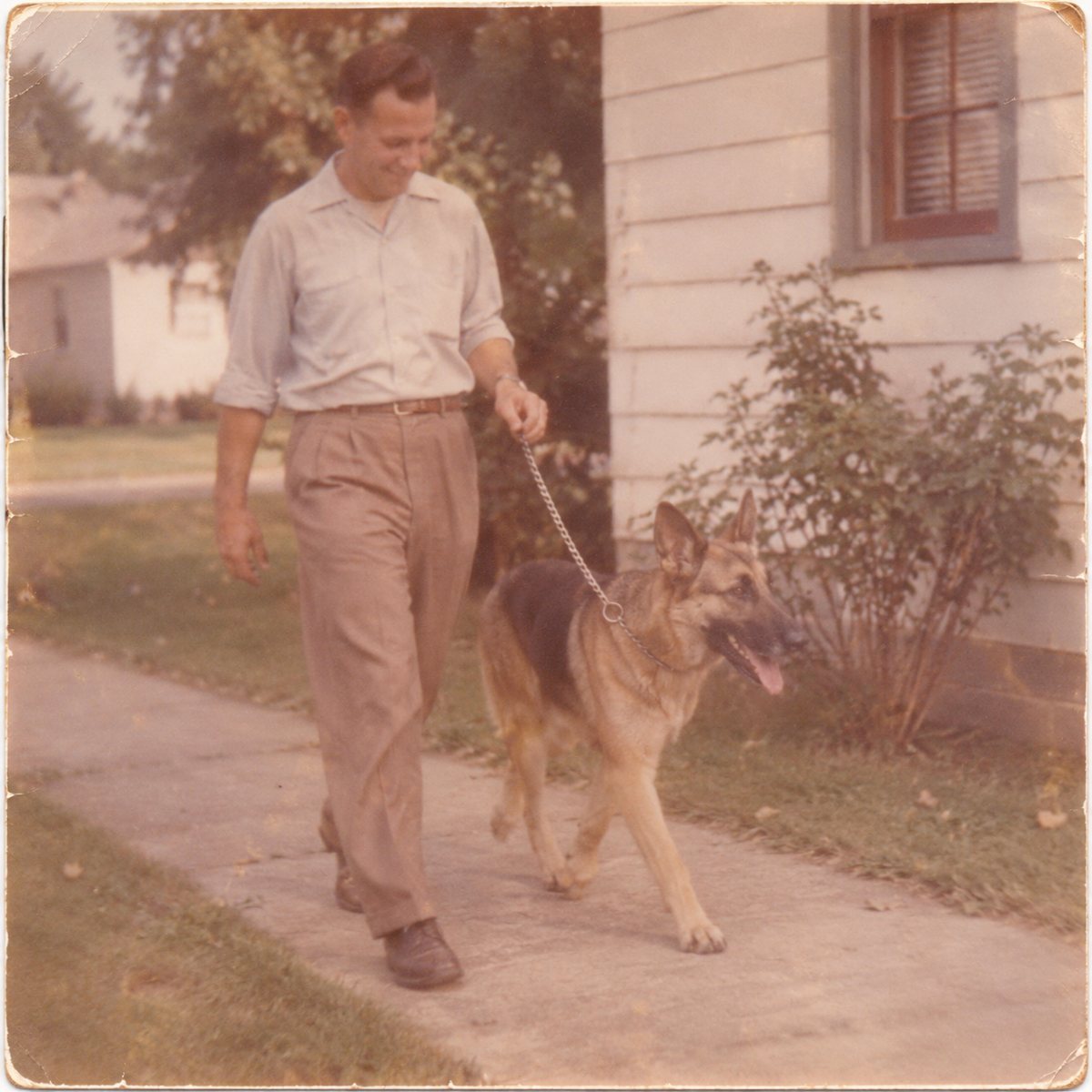
Metal slip collars were common walking and training tools. Owners received little discussion about fit, timing, or gentler alternatives.
Many families now prefer well-fitted harnesses and reward-based teaching. The jingle of that old chain carries a different meaning today.
14. Training through punishment and dominance
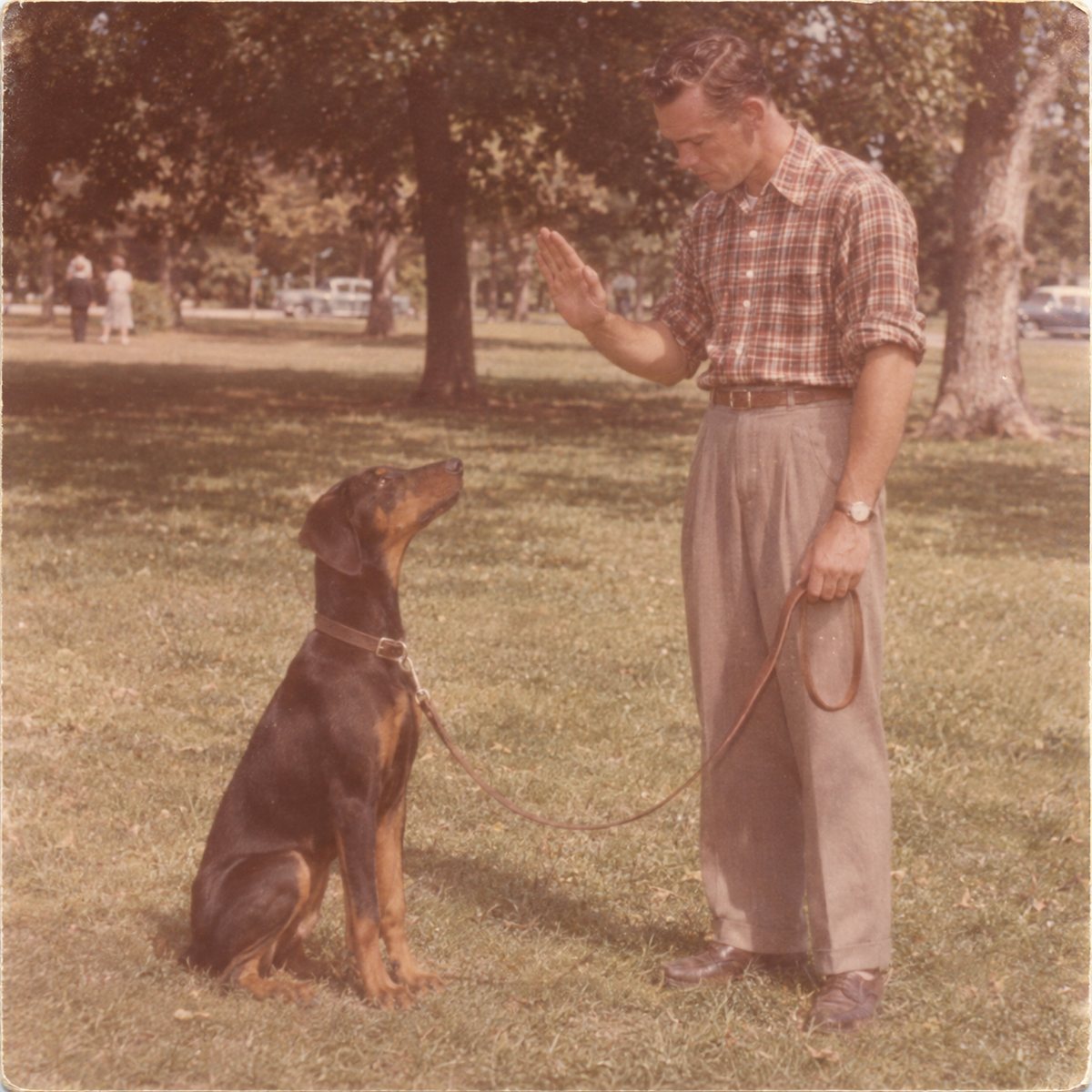
Popular advice often stressed correction, obedience, and showing the dog who was boss. Fear or confusion could be mistaken for stubbornness.
Modern reward-based training pays closer attention to emotion and motivation. The old language can sound harsher than owners remember.
15. Rubbing a puppy's nose in an accident
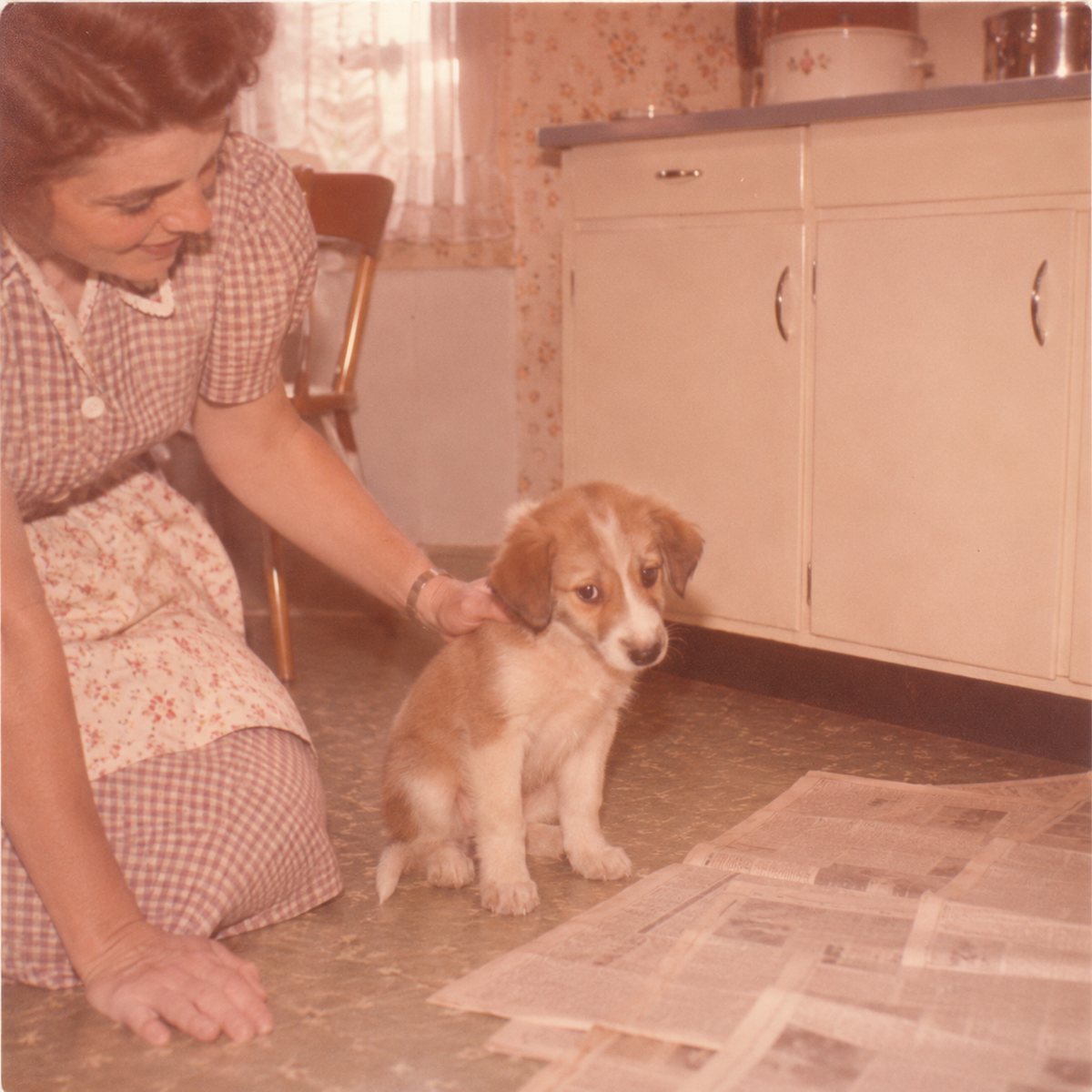
This unpleasant house-training advice was repeated as ordinary wisdom. It punished the evidence without teaching the puppy where to go.
Frequent outdoor trips, supervision, and rewards are kinder and clearer. This is one old custom few people miss.
16. Choosing a puppy from a department-store window
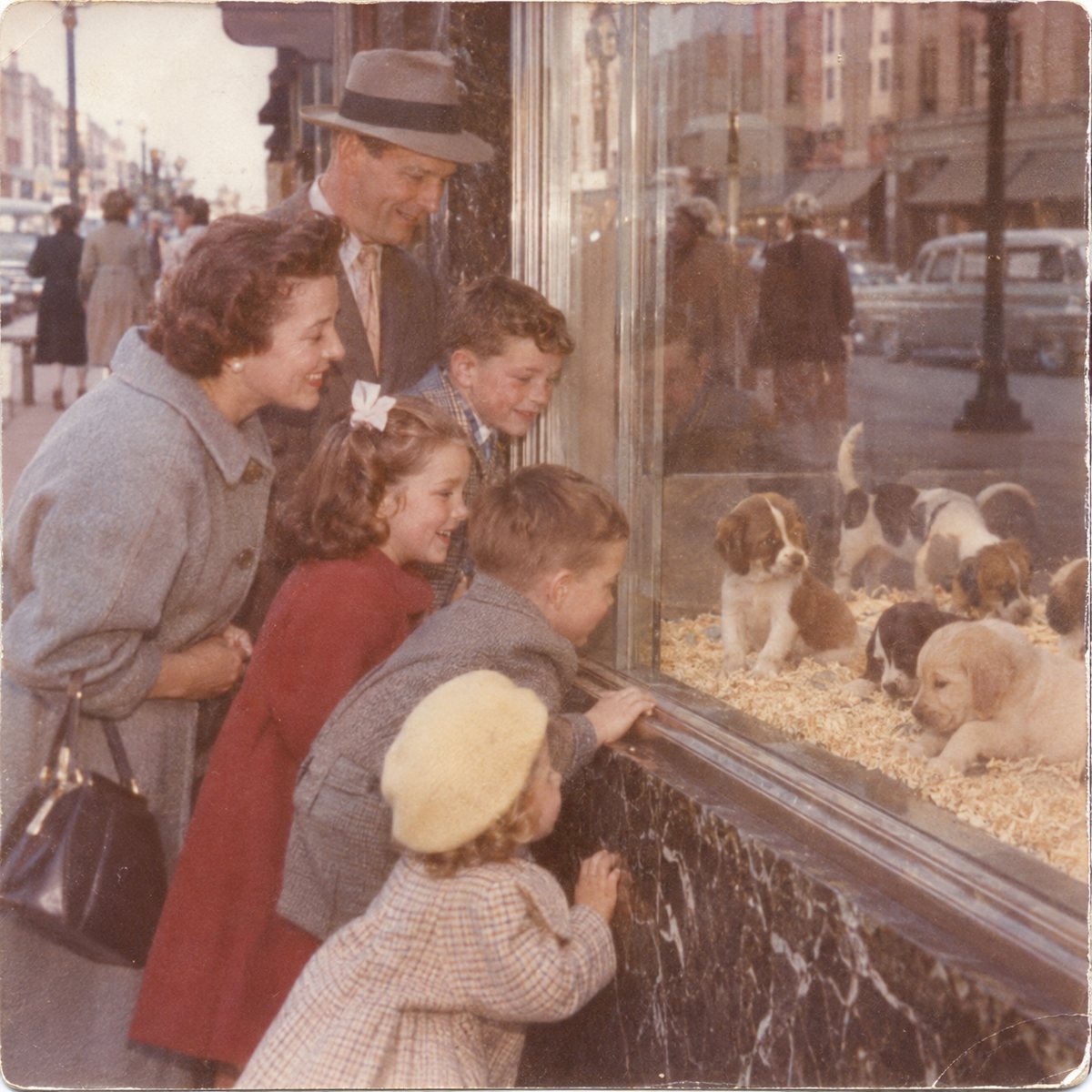
Live puppies could appear behind glass alongside ordinary shopping displays. A family might make a life-changing decision during an afternoon downtown.
Responsible sourcing and animal-welfare questions receive much more attention now. The cheerful window display hides concerns modern shoppers recognize.
17. Giving puppies away through a small newspaper ad
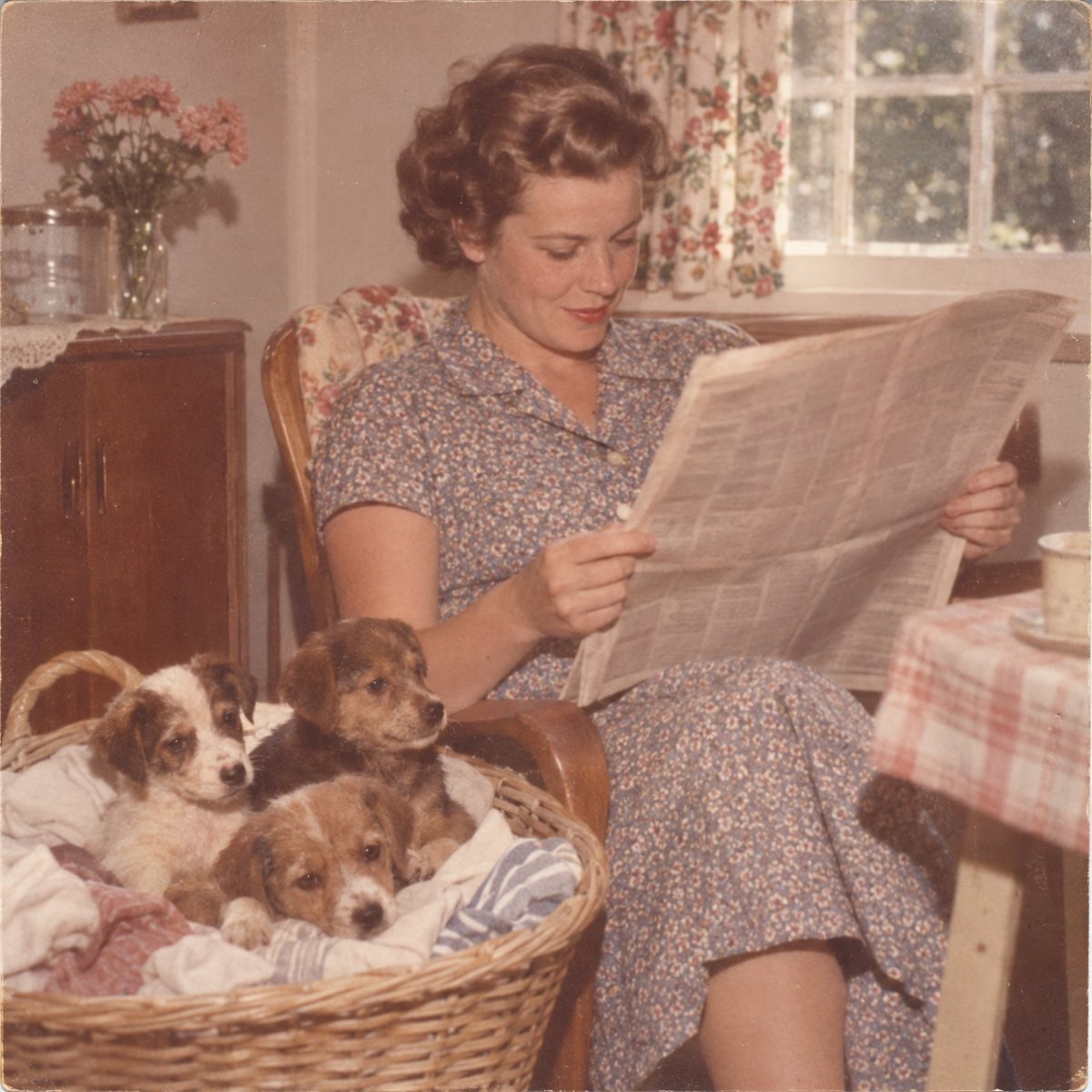
An accidental litter might be advertised with one tiny line and a telephone number. Screening adopters was often informal or nonexistent.
Rescues and responsible owners now use applications, veterinary records, and careful matching. The five-word placement seems remarkably trusting.
18. Skipping routine spaying and neutering
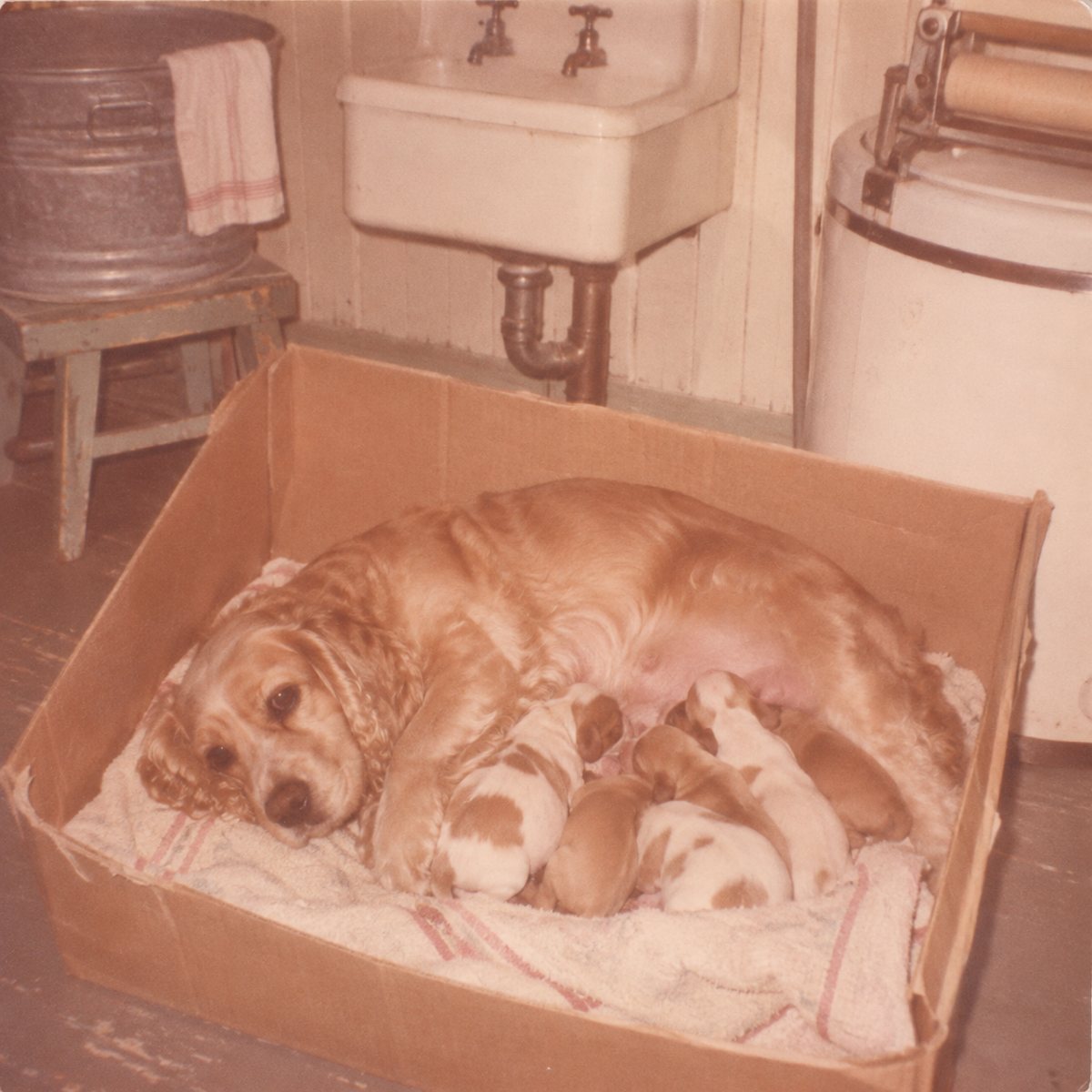
These surgeries were not yet a standard expectation for every family pet. Unplanned litters were treated as an ordinary neighborhood event.
Veterinarians now discuss individual timing, health, and population control with owners. The endless stream of surprise puppies feels less innocent today.
Also read: 15 Dog Haircuts That Grow Out Gracefully
19. Waiting until the dog was very sick to call a vet
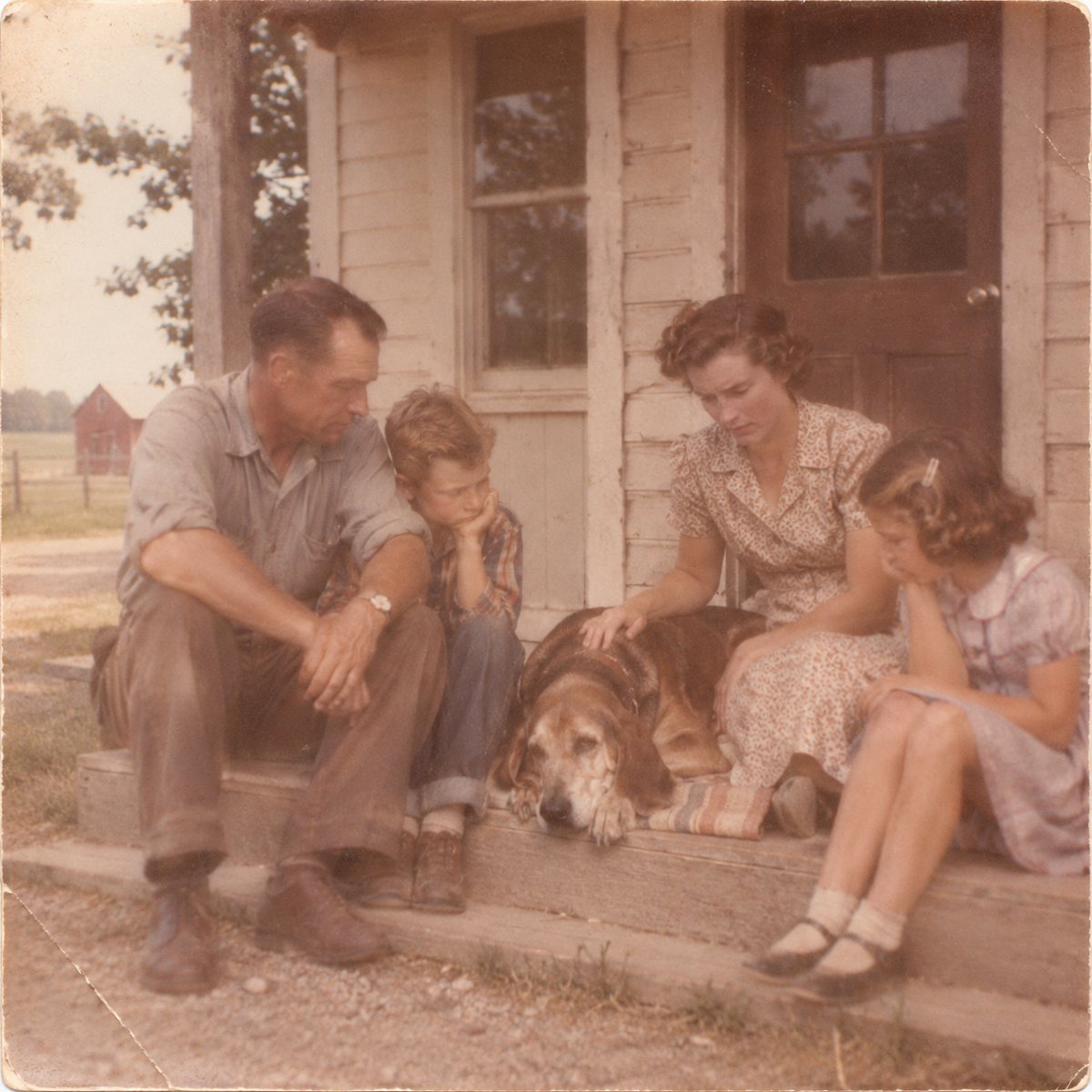
Routine preventive visits were less embedded in family life, especially in rural areas. A veterinarian might be called only when a problem became obvious.
Vaccination schedules, dental checks, and wellness exams are familiar now. Modern care tries to find trouble before a crisis.
20. Accepting terrible dog breath as normal
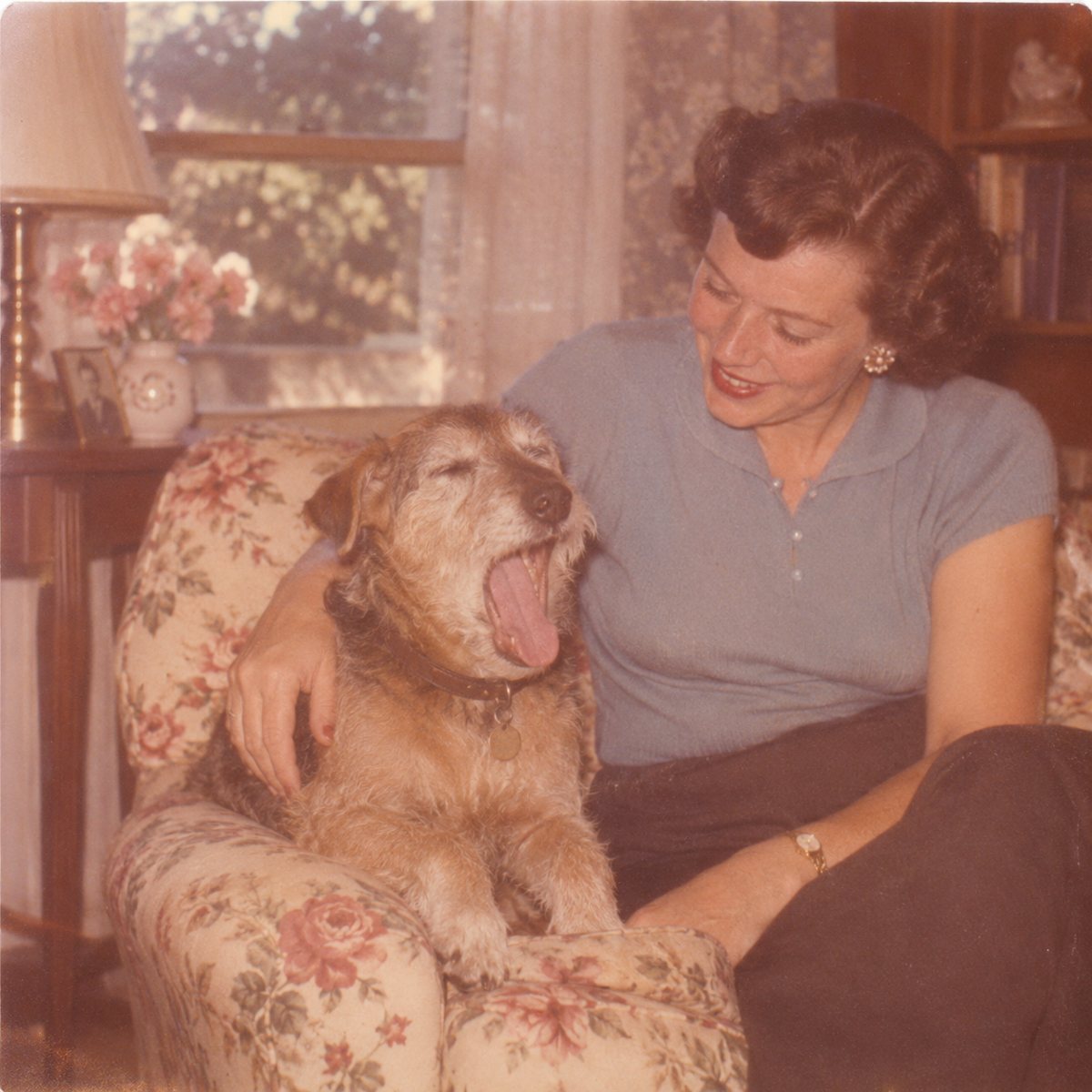
Dental care at home was rarely part of the dog routine. Bad breath and missing teeth were often dismissed as simple signs of age.
Veterinarians now recognize dental disease as painful and important. The old shrug has been replaced by toothbrushes and professional exams.
21. Clipping nails with household tools
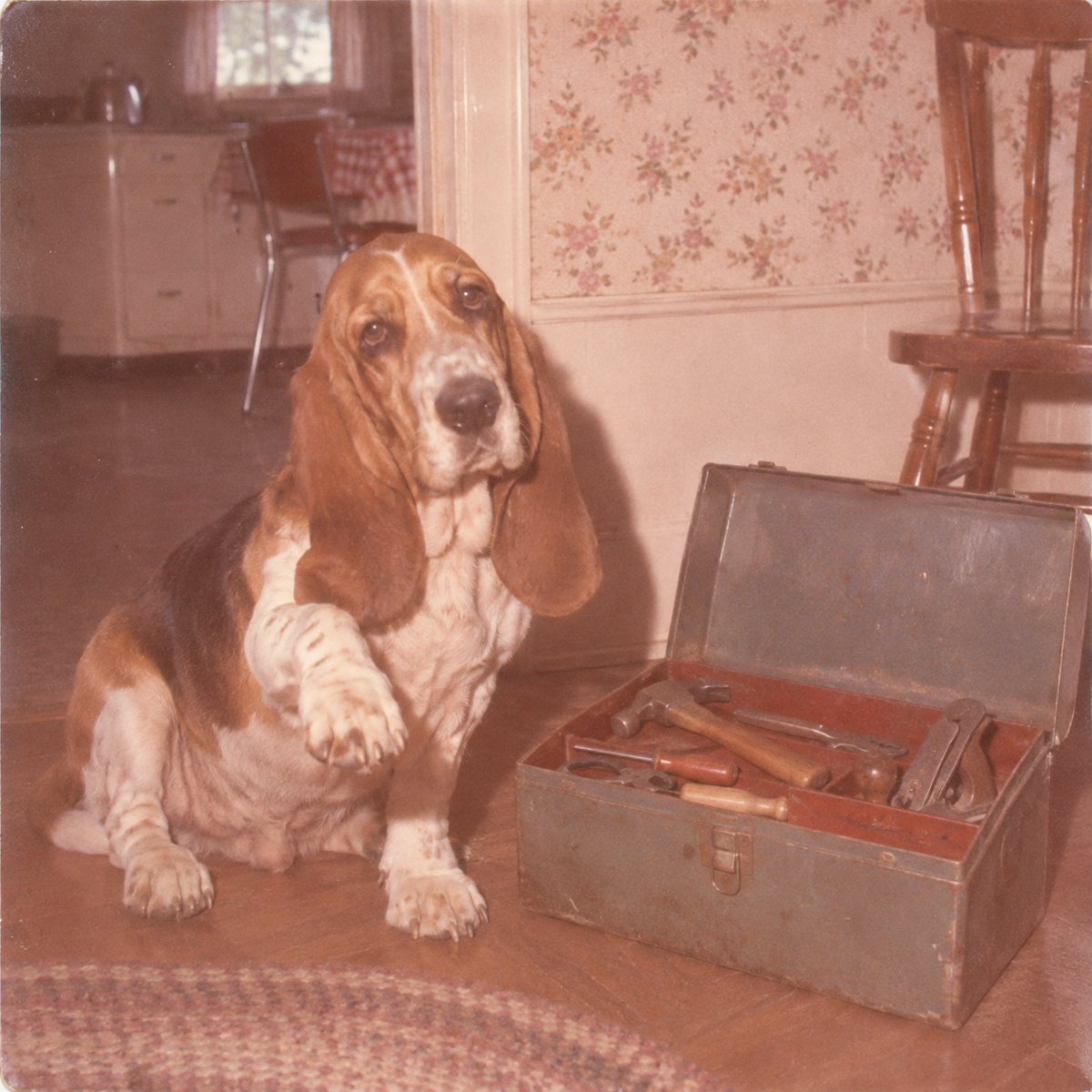
Families sometimes reached for whatever cutter seemed sturdy enough. Proper canine nail tools and technique were not widely discussed.
Owners now have purpose-made clippers, grinders, groomers, and veterinary help. The toolbox solution seems brave in all the wrong ways.
22. Treating puppies as children's surprise gifts
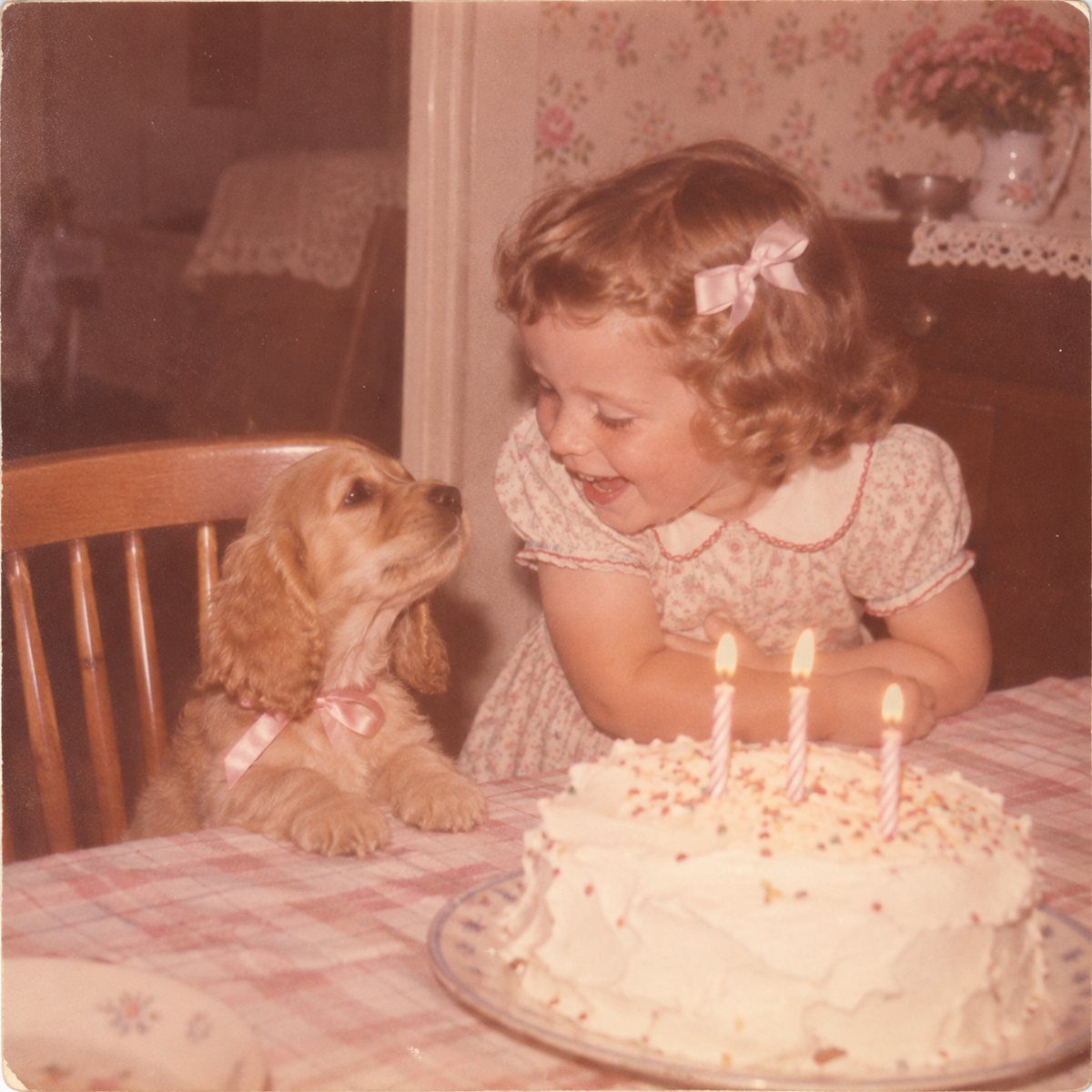
A ribboned puppy might appear beside the birthday cake with little preparation. The emotional reveal came before practical planning.
Families now hear more about consent, cost, adult responsibility, and careful matching. A living surprise is no longer viewed as simple.
23. Allowing dogs to chase delivery workers
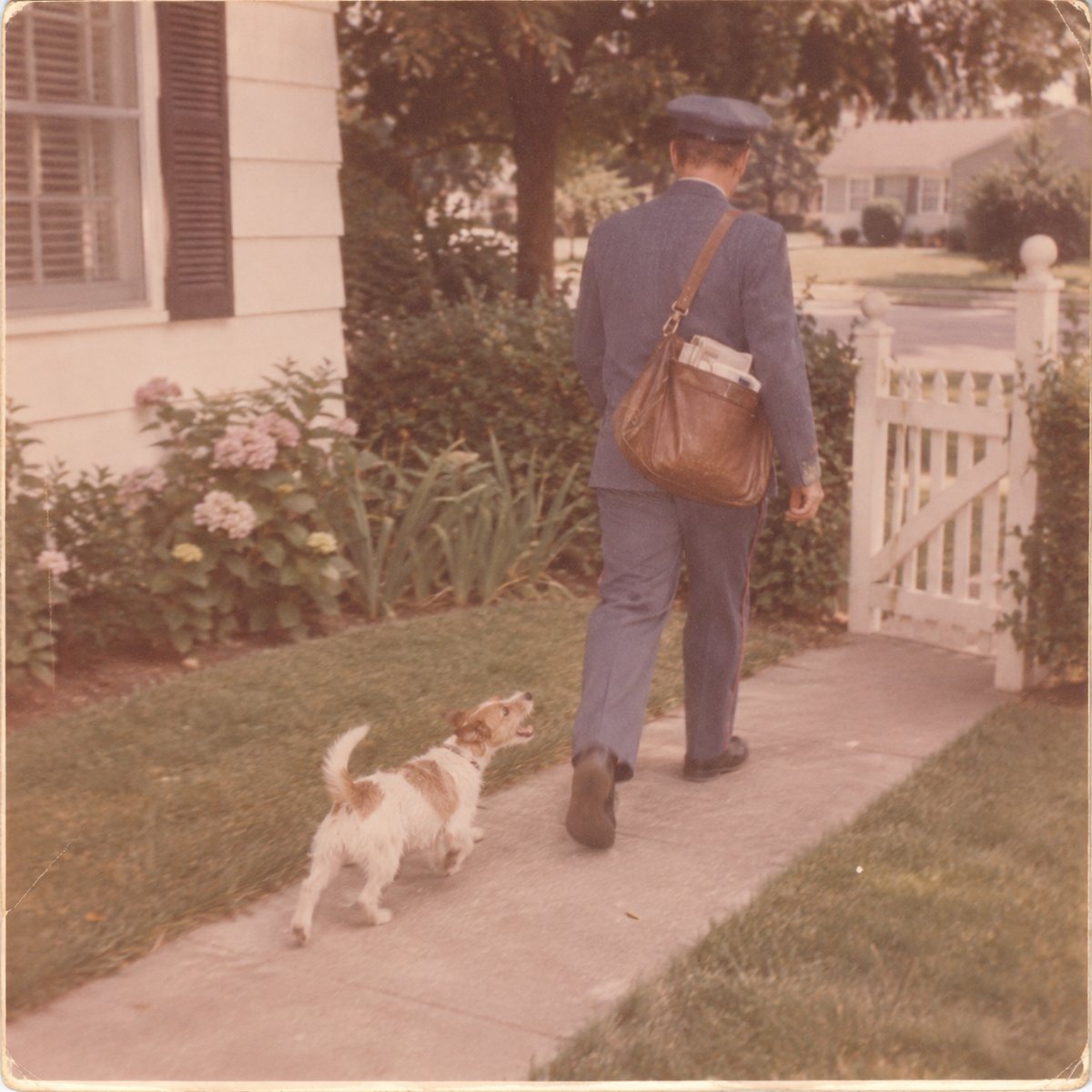
The neighborhood dog barking behind the mail carrier could be treated as a running joke. Loose property boundaries made those encounters common.
Owners now take bites, escapes, and worker safety more seriously. The old comedy scene had real consequences.
24. Taking dogs into crowded parades without preparation
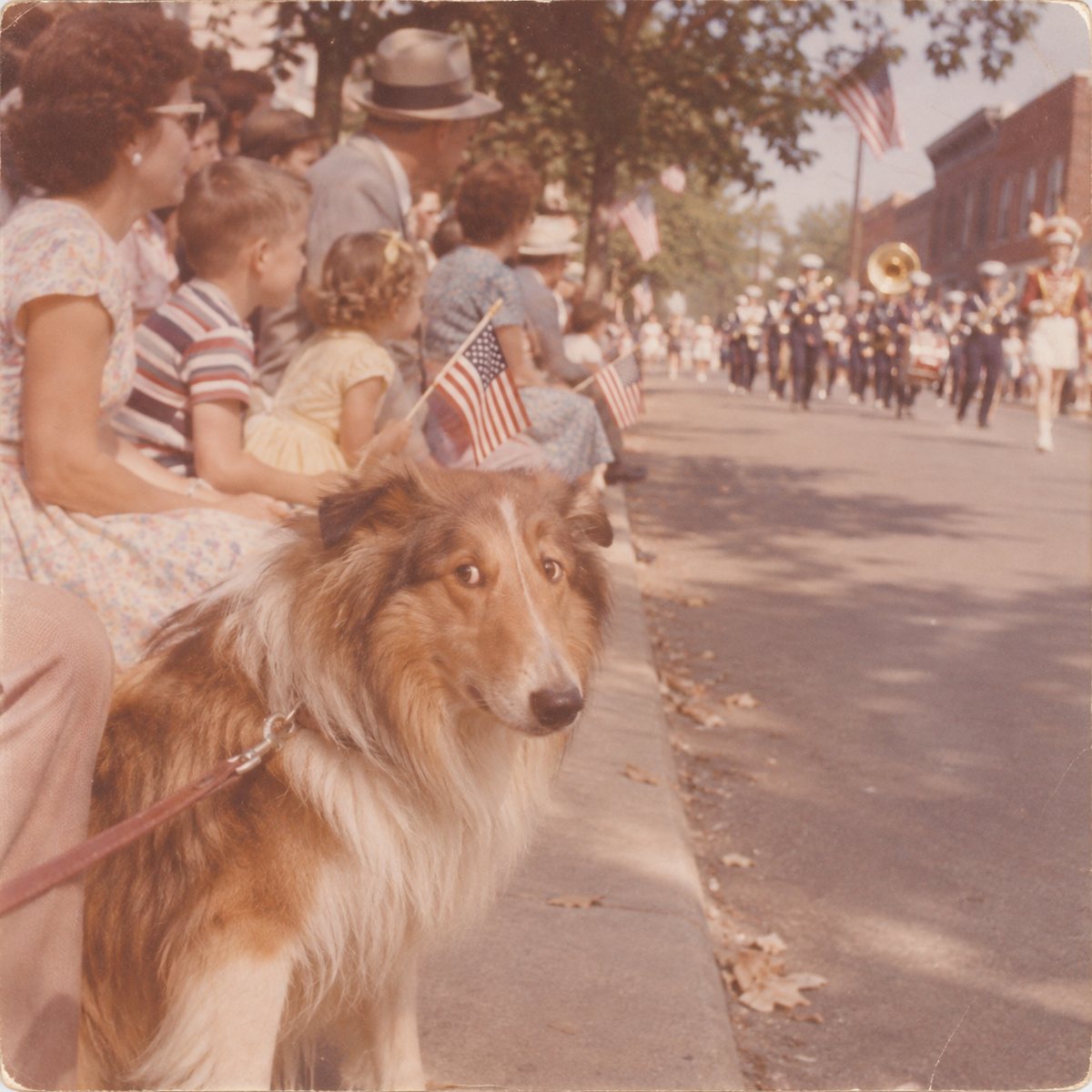
A family dog might simply be brought along to fireworks, marching bands, and packed sidewalks. Stress signals were not widely recognized.
Modern owners are more likely to consider noise, heat, crowds, and escape risk. Staying home can be the kinder invitation.
25. Painting the dog's nails with human polish
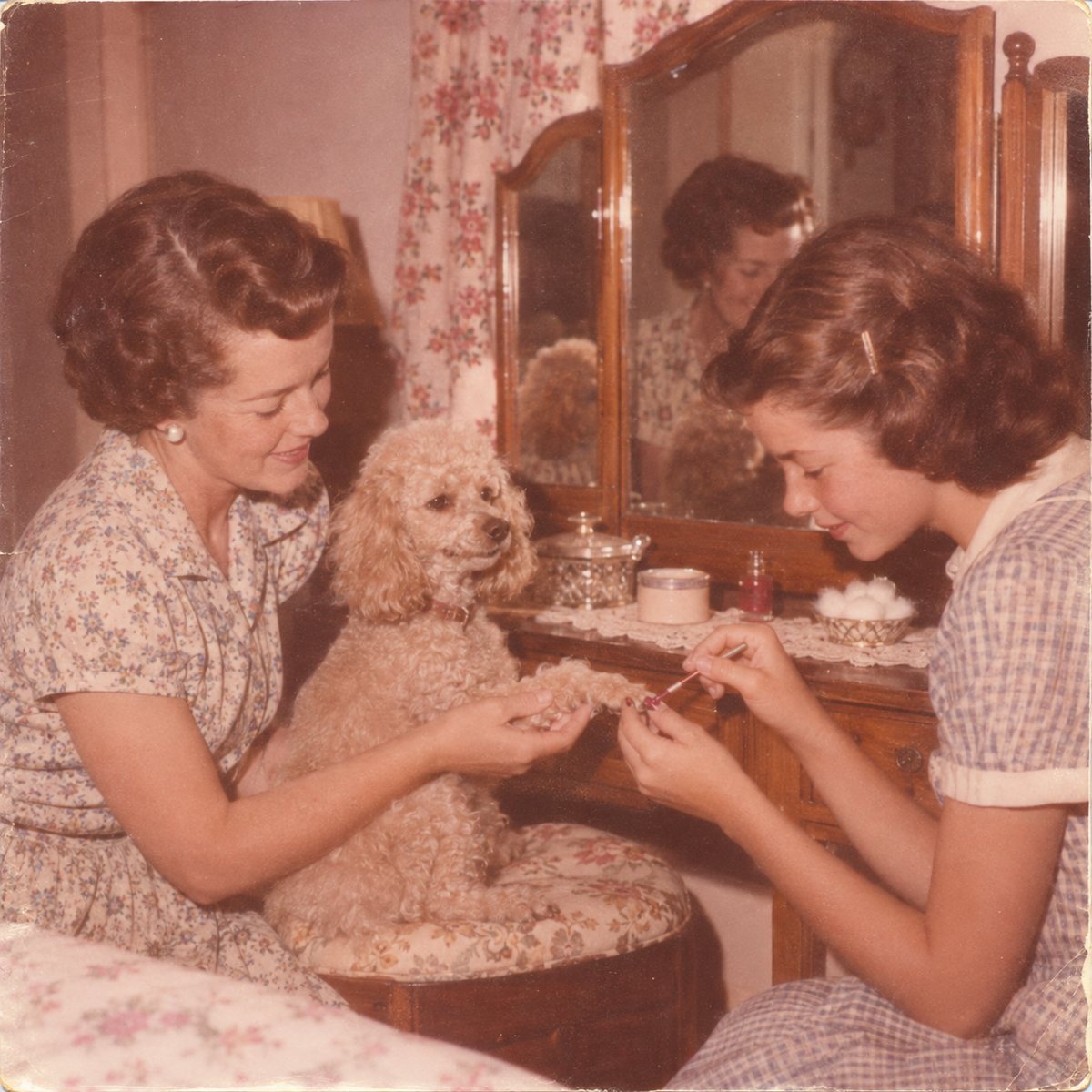
A patient little dog could be included in an at-home beauty session. Ordinary polish was used because pet-specific safety was hardly a topic.
Owners today are more cautious about fumes, licking, and unsuitable products. The matching manicure is better preserved in photographs.
26. Expecting every dog to tolerate children
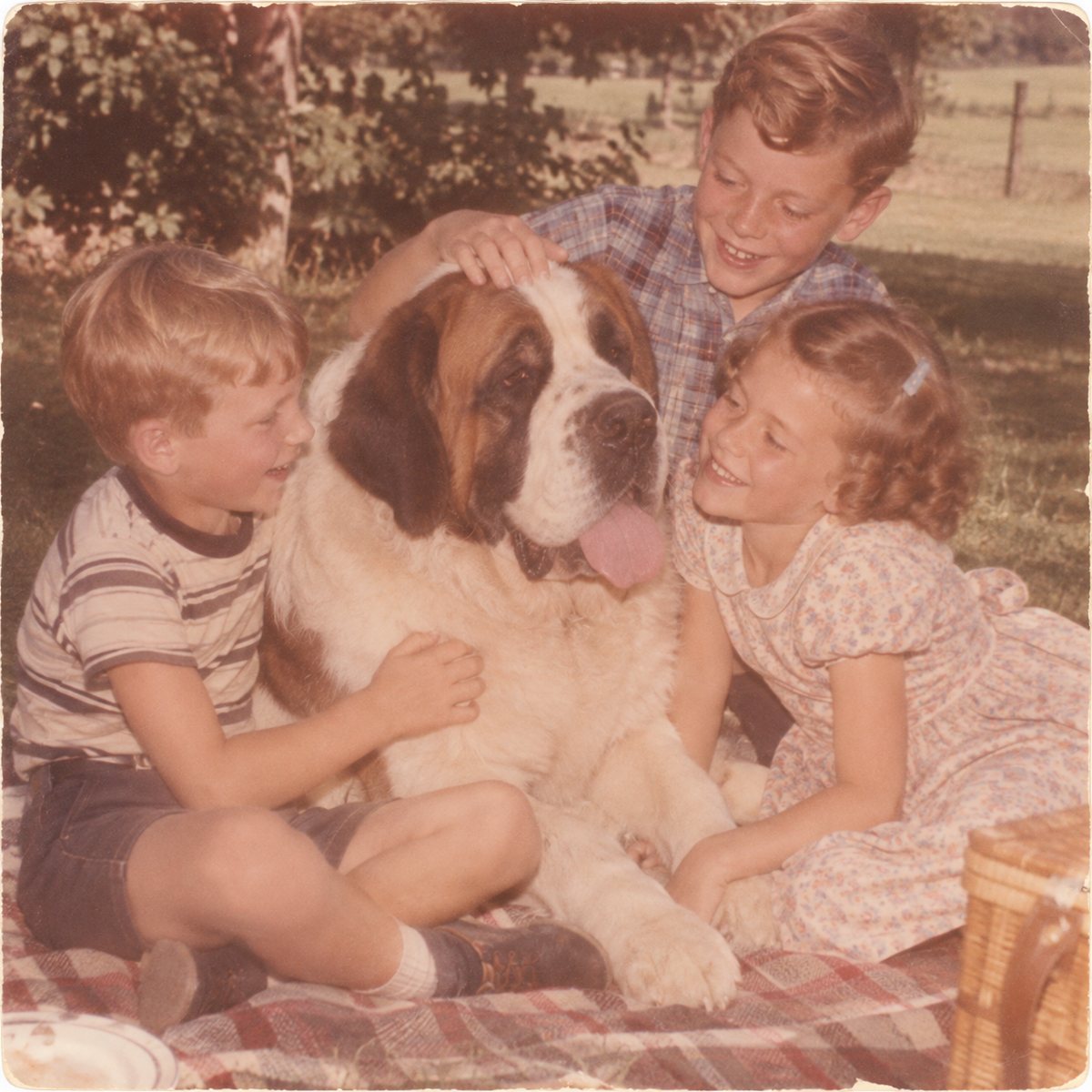
Children climbed, hugged, and leaned on dogs while adults assumed a good pet would endure it. Subtle warnings often went unnoticed.
Families now teach children to respect space and recognize canine body language. Supervision protects both the child and the dog.
27. Burying the family dog beneath a backyard tree
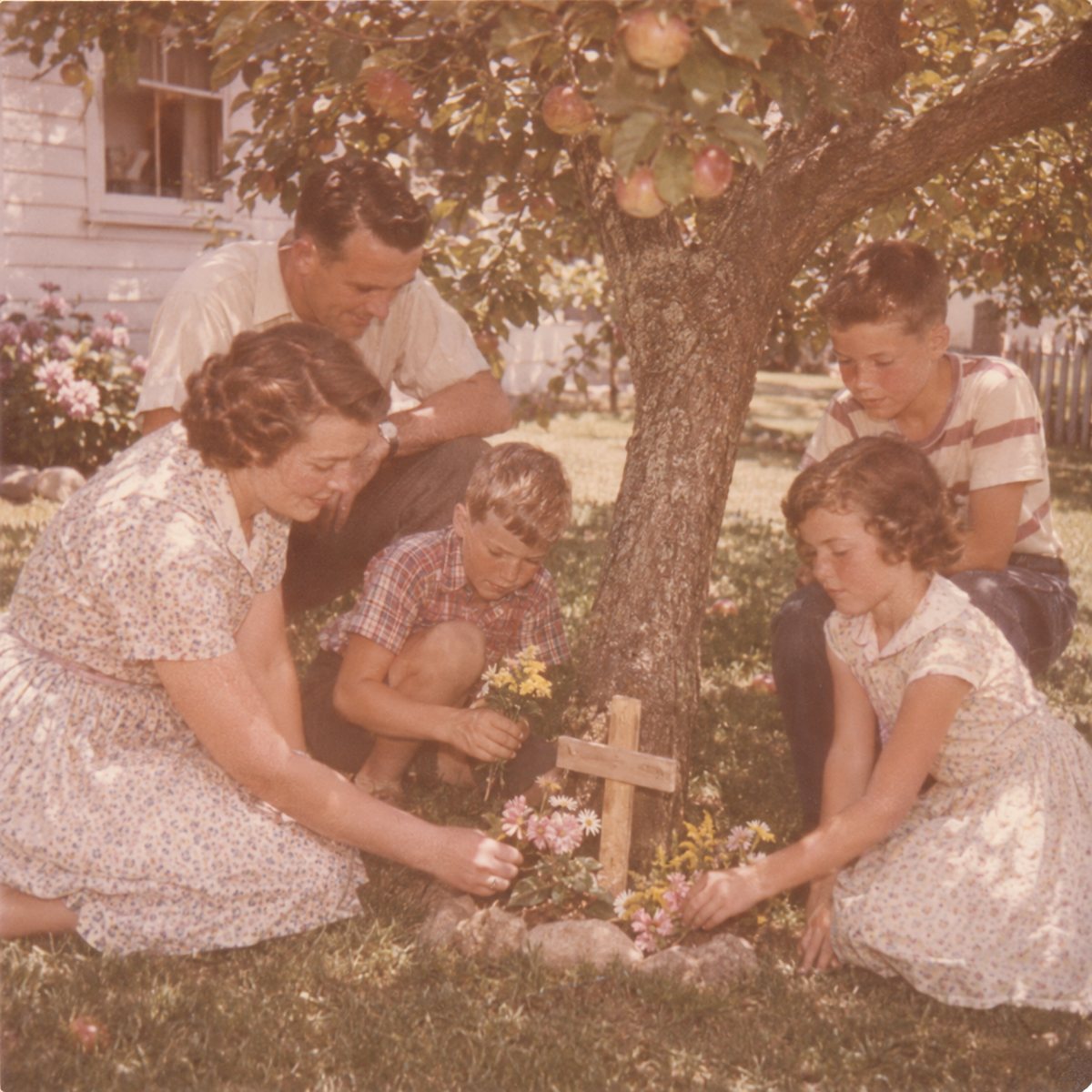
Many families held a quiet home burial in the garden, sometimes marking it with a stone or handmade cross. It kept the dog close to familiar ground.
Local rules and housing changes make that less common now, while cremation and pet cemeteries offer alternatives. This old custom feels strange, tender, and deeply personal.
The 1950s dog was loved, but that love operated with different knowledge and expectations. Looking back shows how far everyday care has traveled—and which tender parts never changed.
Also read: Dog Grooming in 1980 vs. Today: 26 Wild Before-and-Afters
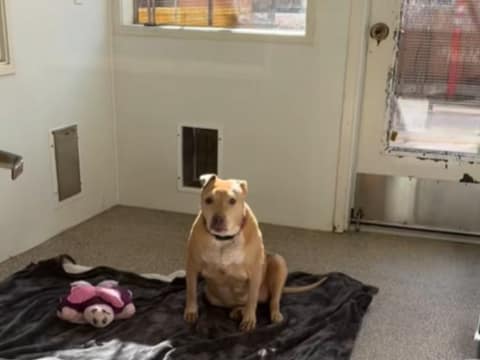 Nala Kept Watching The Window, Still Waiting For The Family Who Left Her Behind
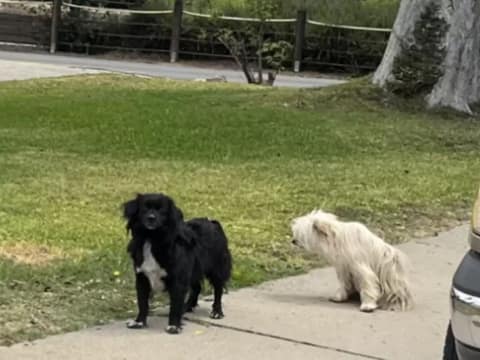 After Five Days On The Same Corner, Two Frightened Dogs Showed Their Rescuer What Home Really Meant
 Alejandro Smiled Through The Rain, And His Lonely Little Wait Was Finally Over
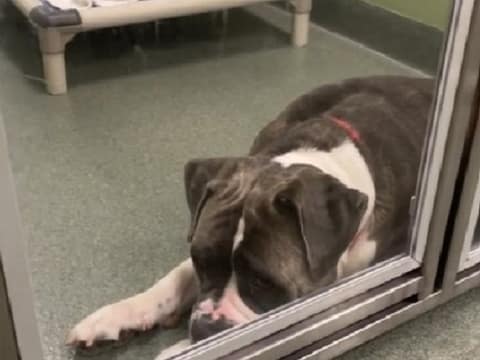 Nyla Had Almost Stopped Hoping, Then A Grieving Family Drove Four Hours To Find Her
 Demi Gave Her Puppies Everything, Then Waited For Someone To Choose Her
 After Three Years Of Waiting, A Golden Retriever Walked Straight To His New Mom And Dad