
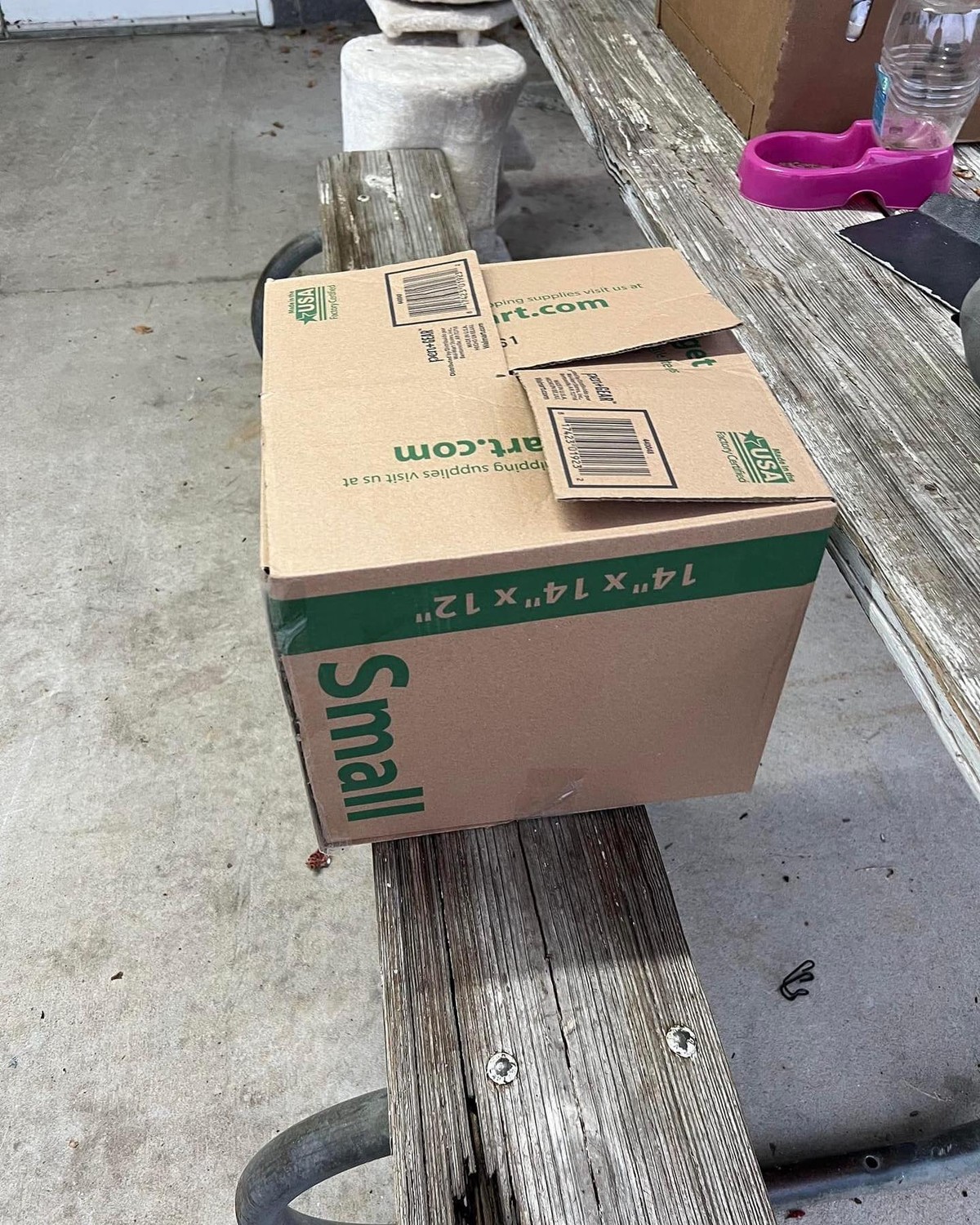
Gibbs was only six weeks old when his tiny cries came from a cardboard box outside a South Carolina shelter.
Gibbs did not need a perfect stranger to know every chapter of the past. Gibbs needed someone to notice the exact moment happening right in front of them and decide that a scared dog still mattered.
Gibbs was small enough to fit inside a cardboard box, which makes the abandonment feel even colder. He did not have size, strength, or any way to protect himself.
Also readPuppy Spent Weeks Tied Beneath a Sink, but Now She Knows What Love Feels Like
Every dog should be raised in a home where patience, kindness, and real care come naturally.
But some puppies are thrown into the world alone without a second thought. That is exactly what happened to Gibbs, a gentle six-week-old puppy in South Carolina.
One night, someone set him inside a cardboard box and left him outside a shelter.
The shelter worker did not find him because he was visible from far away. She found him because his cries were faint enough to be missed and desperate enough to keep calling.
Terrified and by himself, Gibbs cried into the dark, hoping someone would hear him and realize how badly he needed help.
A Discovery In A Box
Late one evening, a shelter worker in Orangeburg, South Carolina, returned to the building after remembering an unfinished task.
The Moment Everything Changed
At six weeks old, Gibbs should have been learning the world through warmth, food, and safe hands, not through the darkness outside a shelter door.
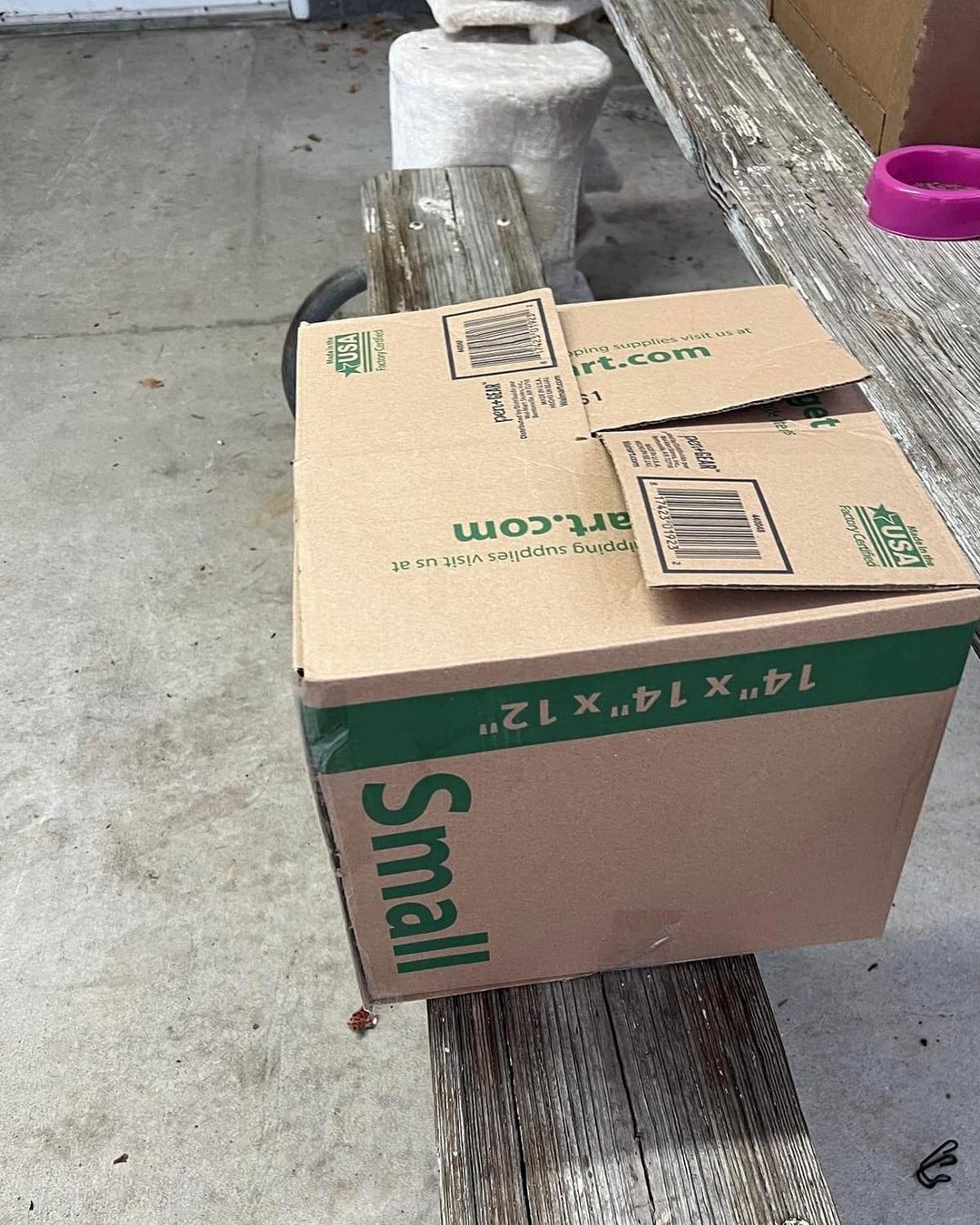
As they approached the entrance, they saw a cardboard box placed on a bench with the label “small” on it.
Curious, the worker opened the box and heard faint cries from within. Lifting the lid, they were greeted by a pair of sad yet hopeful puppy eyes.
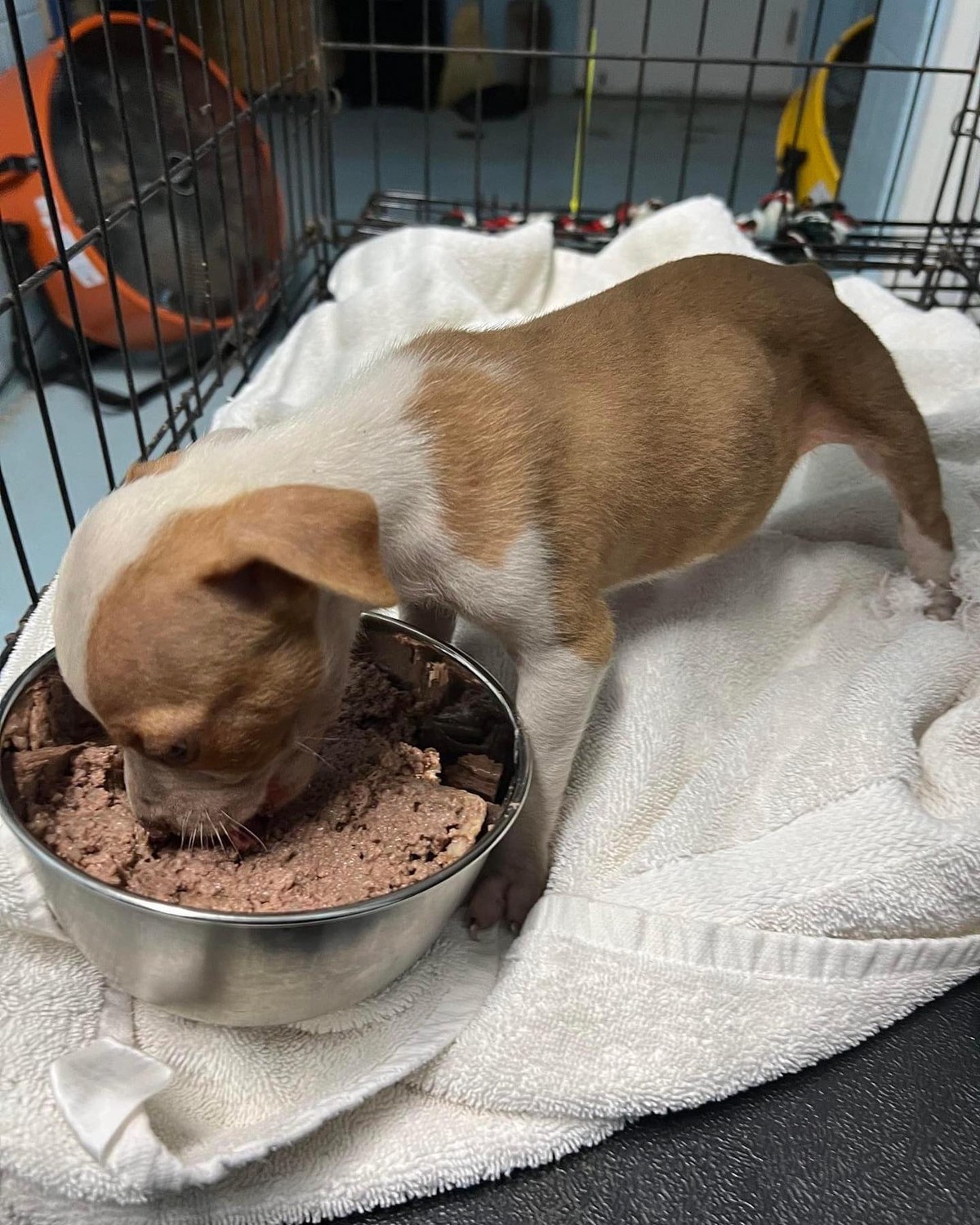
The little pup, later named Gibbs, was scared but seemed to relax as he was carried inside. The staff quickly offered food and comfort to help ease his anxiety.
Although the worker felt a deep sadness knowing someone had abandoned such a sweet pup, they were thankful to have been there at the right moment.
What Rescuers Saw Up Close
That is why Gibbs’s story cannot be told as a quick rescue blurb. The heartbreak is in the details: the place, the fear, the people who stepped in, and the small signs that this dog still wanted to trust.
From Plea To Rescue
The following morning, the shelter shared Gibbs’ story on their Facebook page.
Eunoia Rescue, based in Charleston, South Carolina, saw the post and immediately offered to take him in.
When they met Gibbs, they were immediately smitten.
It was hard to understand how anyone could leave such a precious puppy behind. Gibbs was given a much-needed bath to remove fleas and worms, and soon settled into a safe, warm environment.
Flourishing In Foster Care
After his initial care, Gibbs moved to a foster home where he received endless affection and a secure place to grow.
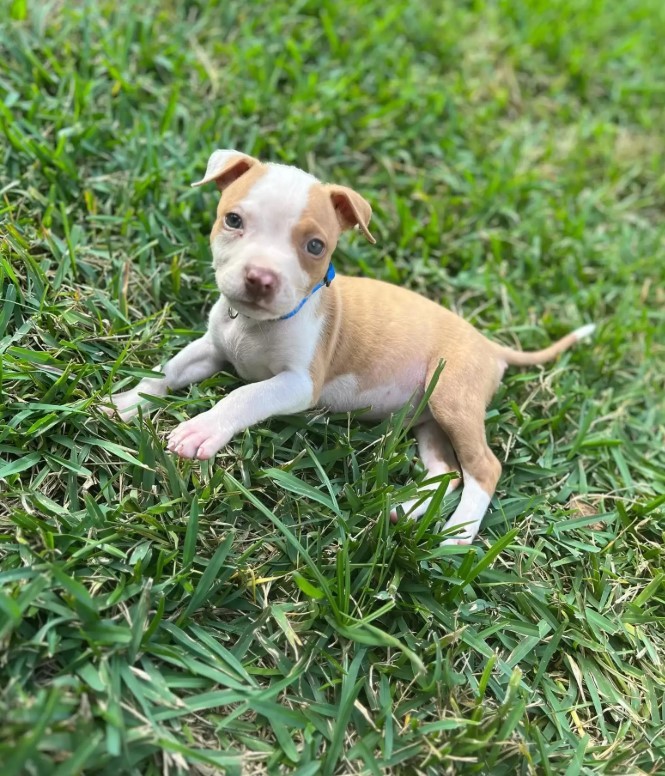
“He LOVES other dogs and acts like he weighs 50 pounds instead of just a measly 4 pounds and will chase all his foster siblings around. He’s happy, healthy and just waiting to be big enough to be neutered before he’s adopted,” Eunoia Rescue shared with The Dodo.
Thanks to the kindness of strangers, Gibbs is learning that the world is full of good people and soft beds. His playful nature and loving spirit make it clear that it’s only a matter of time before he finds his forever home.
Until then, he will continue to thrive in his foster home, soaking up
For readers who love rescue stories, Gibbs’s case is the kind that lingers because the first scene says so much before the happy part ever arrives.
There is a clear before-and-after in this story, but the before matters. It shows exactly why the rescue was necessary and why the people involved moved with urgency instead of waiting for someone else to act.
Why This Story Stayed With Them
Gibbs was not an idea or a symbol to the rescuers. This was a real dog in a real crisis, with a name, a body language, and a moment when help finally became possible.
The people who stepped in could not erase what happened before that day, but they could make sure Gibbs was not forced to face the next part alone.

Every rescue like this begins with someone paying attention. In Gibbs’s case, that attention turned a frightening scene into the first step toward safety.
What makes the ending feel earned is that it did not come from luck alone. It came from people reading the situation correctly, acting fast, and treating Gibbs as a life worth fighting for.
For readers who love rescue stories, Gibbs’s case is the kind that lingers because the first scene says so much before the happy part ever arrives.
There is a clear before-and-after in this story, but the before matters. It shows exactly why the rescue was necessary and why the people involved moved with urgency instead of waiting for someone else to act.
Gibbs was not an idea or a symbol to the rescuers. This was a real dog in a real crisis, with a name, a body language, and a moment when help finally became possible.
The people who stepped in could not erase what happened before that day, but they could make sure Gibbs was not forced to face the next part alone.
Every rescue like this begins with someone paying attention. In Gibbs’s case, that attention turned a frightening scene into the first step toward safety.
What makes the ending feel earned is that it did not come from luck alone. It came from people reading the situation correctly, acting fast, and treating Gibbs as a life worth fighting for.
For readers who love rescue stories, Gibbs’s case is the kind that lingers because the first scene says so much before the happy part ever arrives.
There is a clear before-and-after in this story, but the before matters. It shows exactly why the rescue was necessary and why the people involved moved with urgency instead of waiting for someone else to act.
Gibbs was not an idea or a symbol to the rescuers. This was a real dog in a real crisis, with a name, a body language, and a moment when help finally became possible.
The people who stepped in could not erase what happened before that day, but they could make sure Gibbs was not forced to face the next part alone.
Every rescue like this begins with someone paying attention. In Gibbs’s case, that attention turned a frightening scene into the first step toward safety.
What makes the ending feel earned is that it did not come from luck alone. It came from people reading the situation correctly, acting fast, and treating Gibbs as a life worth fighting for.
For readers who love rescue stories, Gibbs’s case is the kind that lingers because the first scene says so much before the happy part ever arrives.
There is a clear before-and-after in this story, but the before matters. It shows exactly why the rescue was necessary and why the people involved moved with urgency instead of waiting for someone else to act.
 Bones Waited Nearly Three Years, and Then Love Finally Stayed
 The Cold Could Not Put Out the Small Light in Harry
 The Tired Stray Who Wagged His Tail the Moment Help Arrived
 A Tired Gray Face Looked Up, And One Woman Would Not Look Away
 Two Puppy Brothers Reached Through the Bars Before Hope Ran Out
 She Would Not Leave Her Babies, Even When The Wind Grew Cruel