
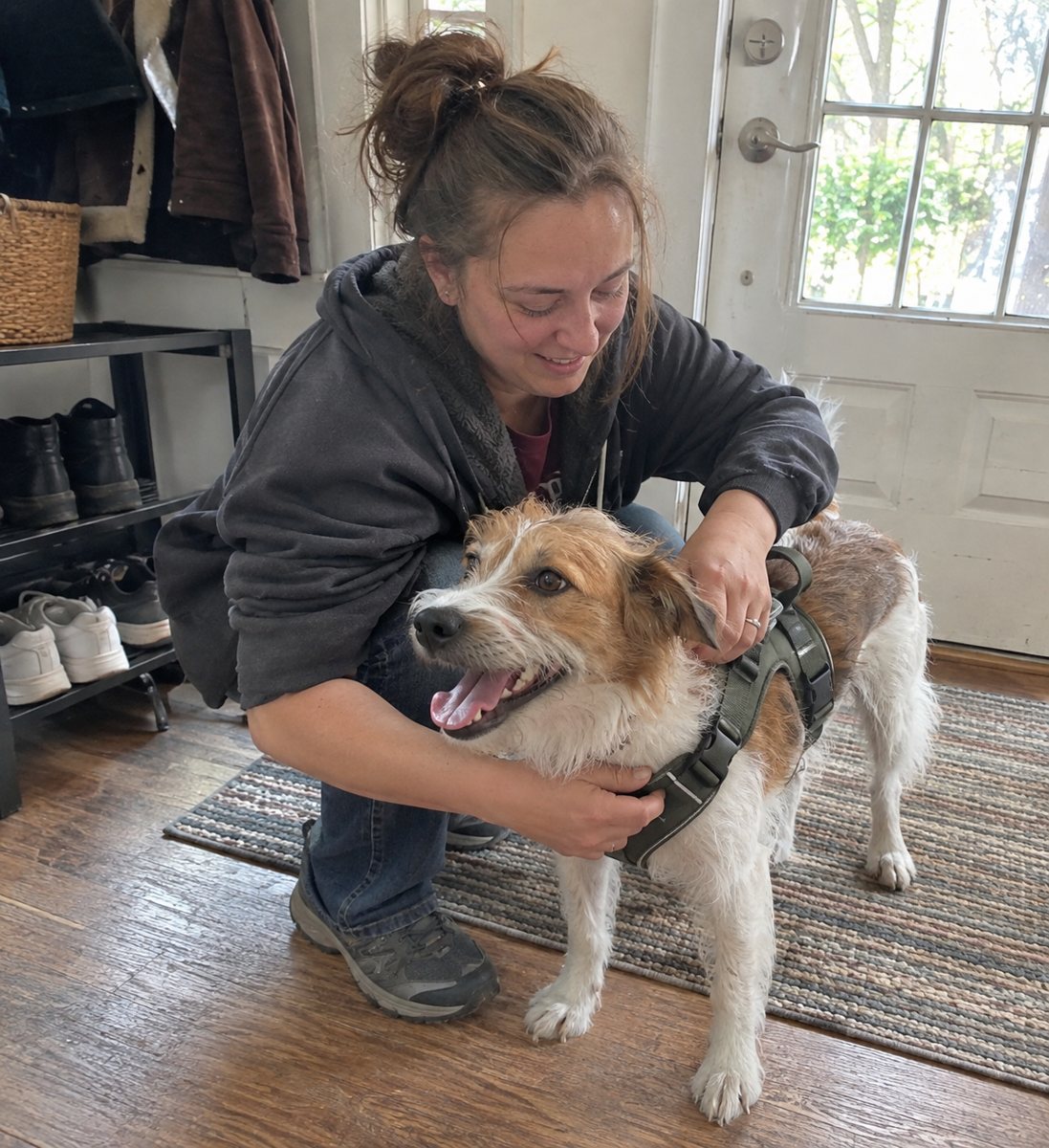
These 20 habits are easy to miss and usually simple to fix. A safer, calmer walk may begin with one buckle.
1. Keeping the puppy collar after the puppy grows
Puppies can outgrow a collar with startling speed. A once-perfect fit may begin pressing into the neck before anyone notices.
Try this instead: Check the fit every week during growth spurts. You should be able to slide two fingers comfortably beneath the collar.
Also readHe Was Broken and Alone — Until One Gentle Dog Refused to Leave His Side
2. Letting the collar hang too loosely
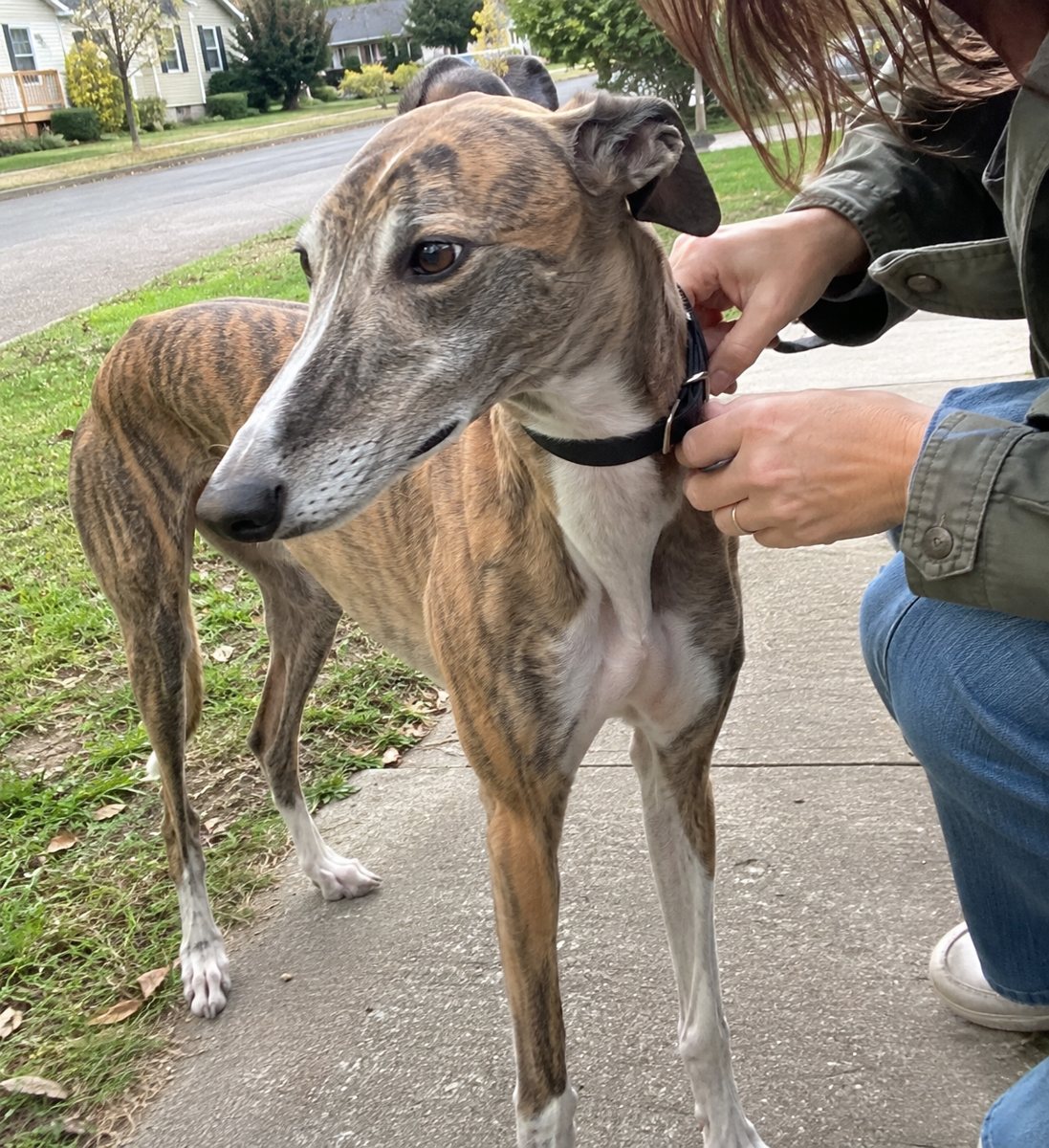
A loose collar can slip over a narrow head when a dog backs away. It can also catch on branches, crates, or another dog's jaw.
Try this instead: Adjust it snugly without pressing the skin. Recheck after grooming, weight changes, and seasonal coat changes.
3. Clipping the leash to a flimsy tag ring
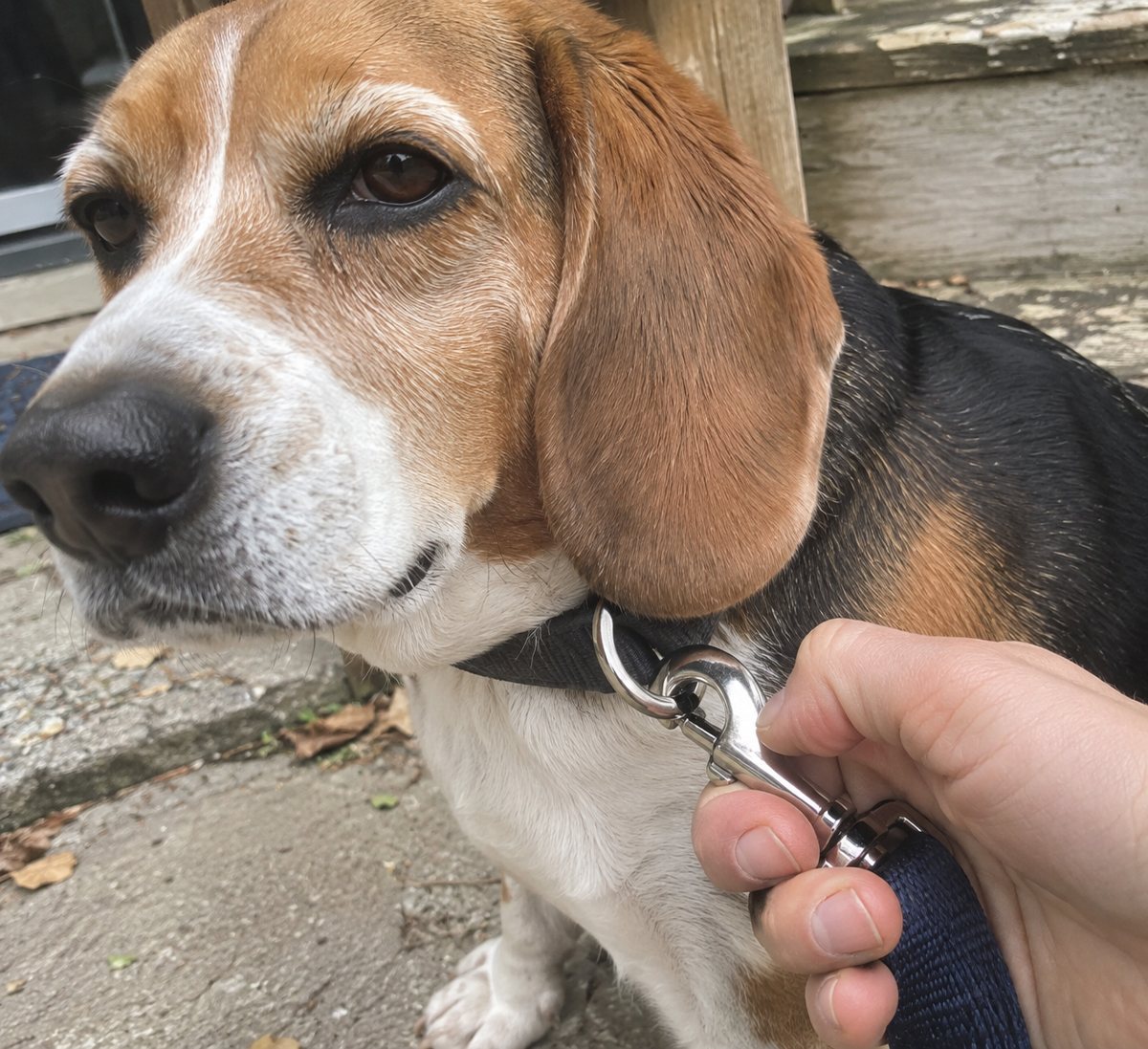
The small ring holding identification tags is not designed to restrain a lunging dog. It can bend open at the worst moment.
Try this instead: Attach the leash only to the collar's sturdy D-ring. Keep the tag ring separate and easy to inspect.
4. Buying a harness by weight alone
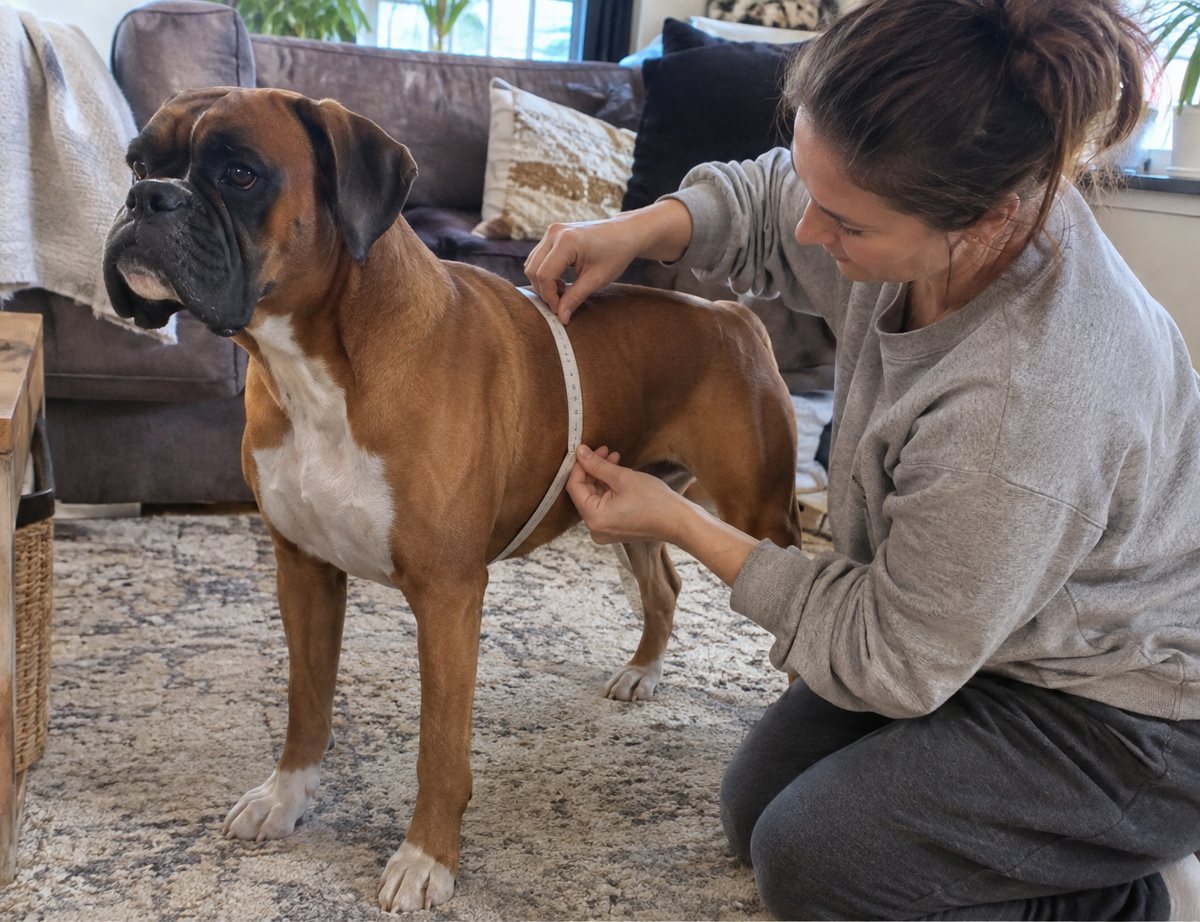
Two dogs of equal weight can have completely different chests. A harness chosen from one number may rub the armpits or gap at the shoulders.
Try this instead: Measure the neck and widest part of the chest. Use those measurements with the maker's fitting guide.
5. Positioning the harness across the shoulder joints
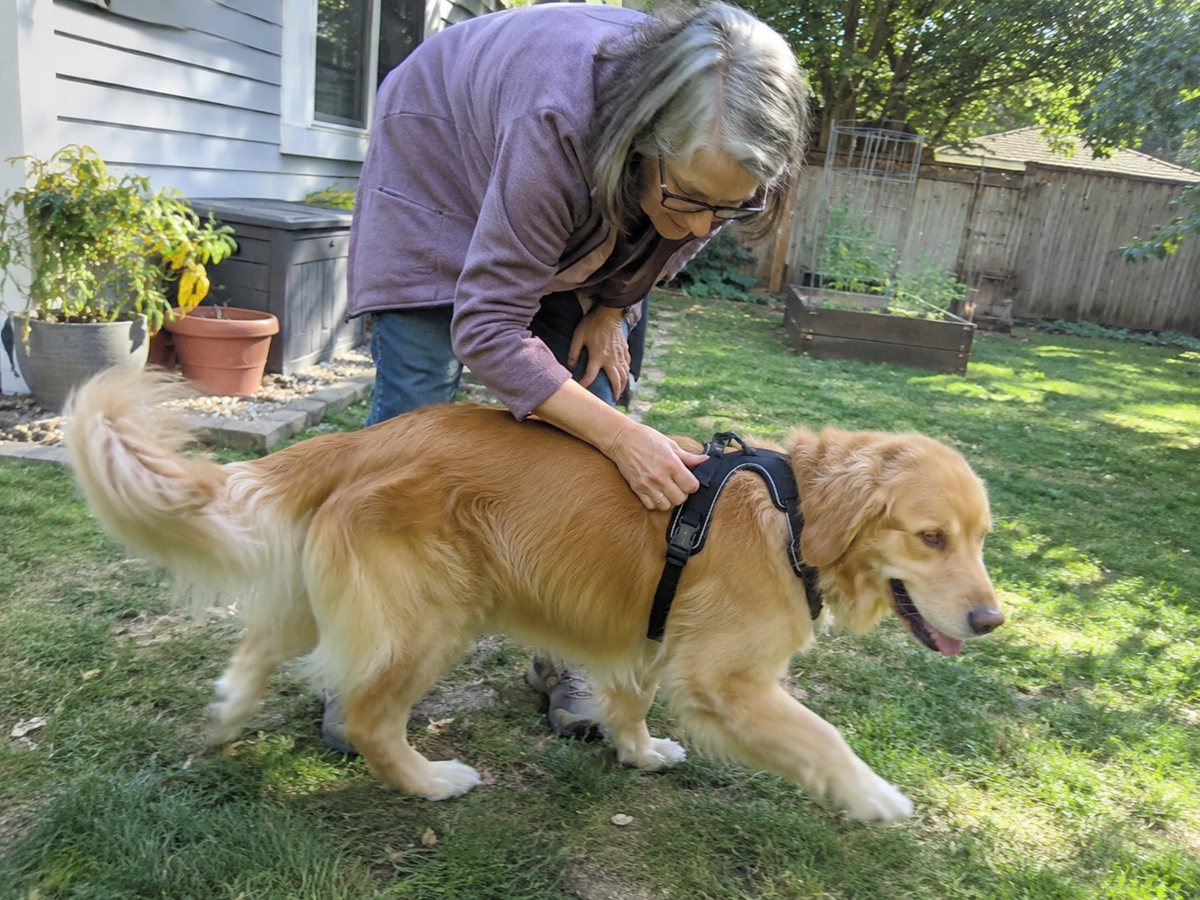
Some harnesses sit directly over the front of the shoulders. A tight strap there can interfere with a dog's natural stride.
Try this instead: Choose and fit a shape that leaves the shoulder blades room to move. Watch the dog walk from the side before heading out.
6. Ignoring rubbing behind the front legs
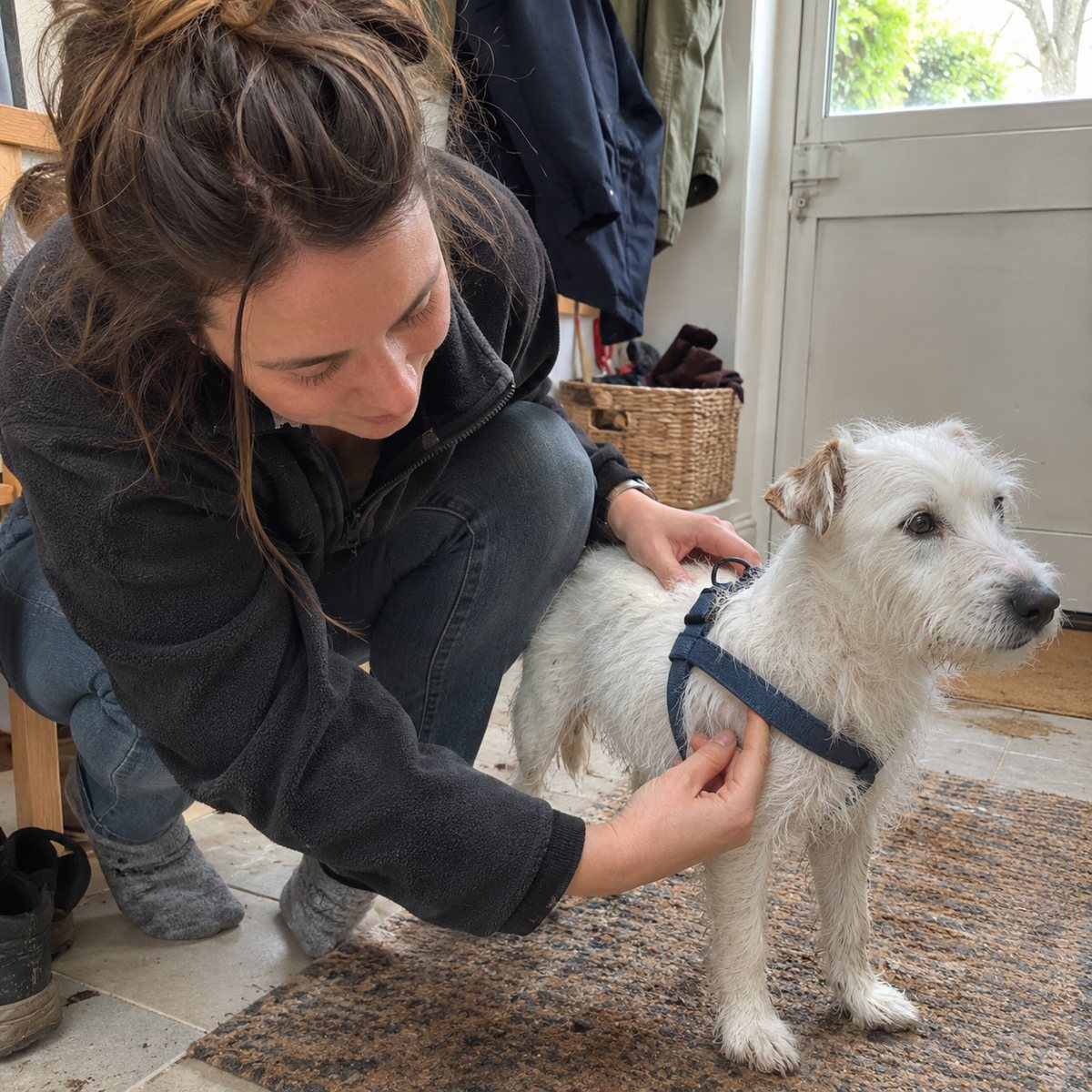
A strap can quietly chafe the tender skin behind a dog's elbows. Thick fur may hide the first redness or broken hairs.
Try this instead: Run your fingers beneath every strap after walks. Adjust or replace gear that leaves damp, bare, or irritated spots.
Also read: 15 Dog Haircuts That Grow Out Gracefully
7. Leaving a wet collar on all day
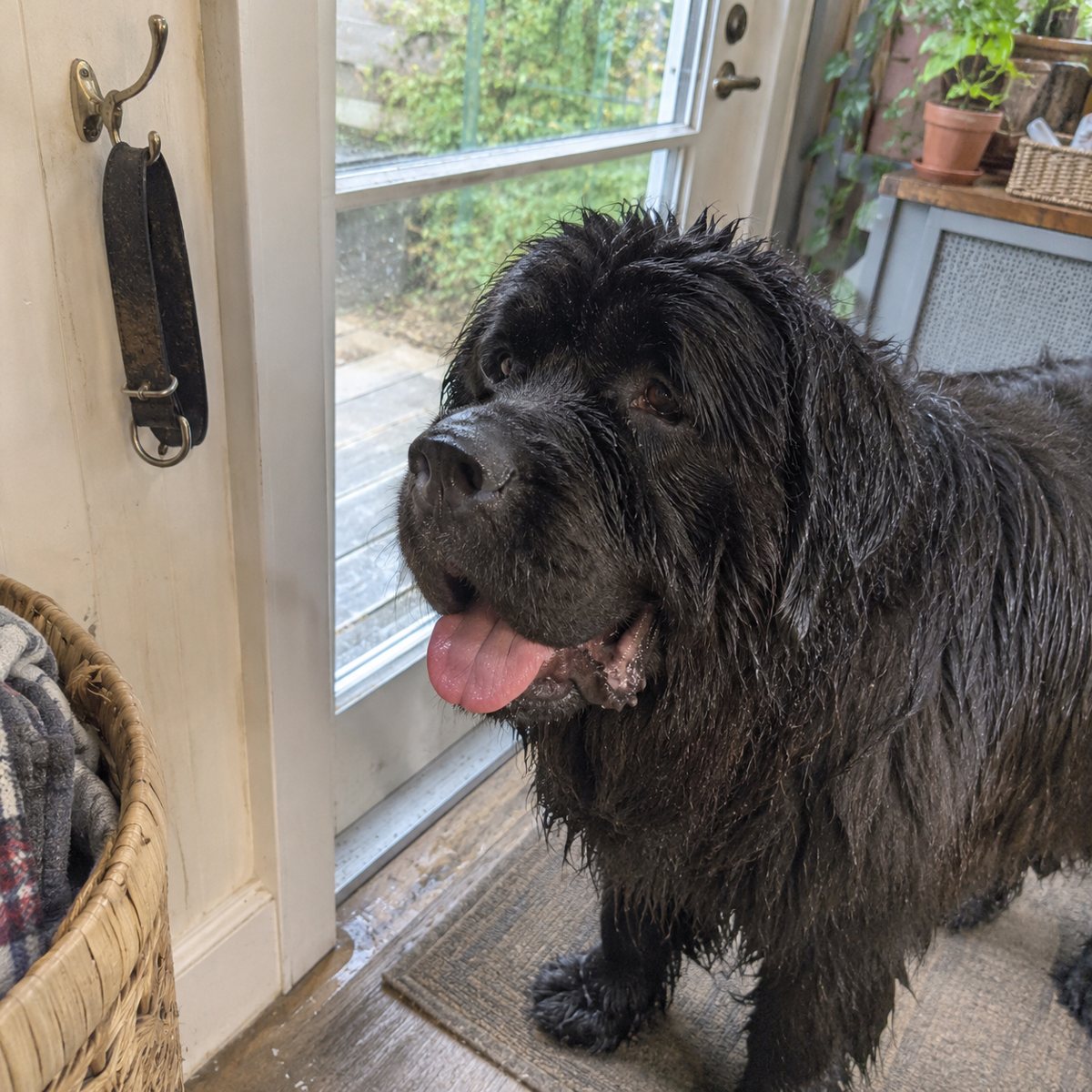
A soaked collar traps moisture against the skin and may begin to smell. This is especially easy to miss under a dense coat.
Try this instead: Remove wet gear when the dog is safely indoors. Dry the dog and collar completely before putting it back on.
8. Never washing the harness
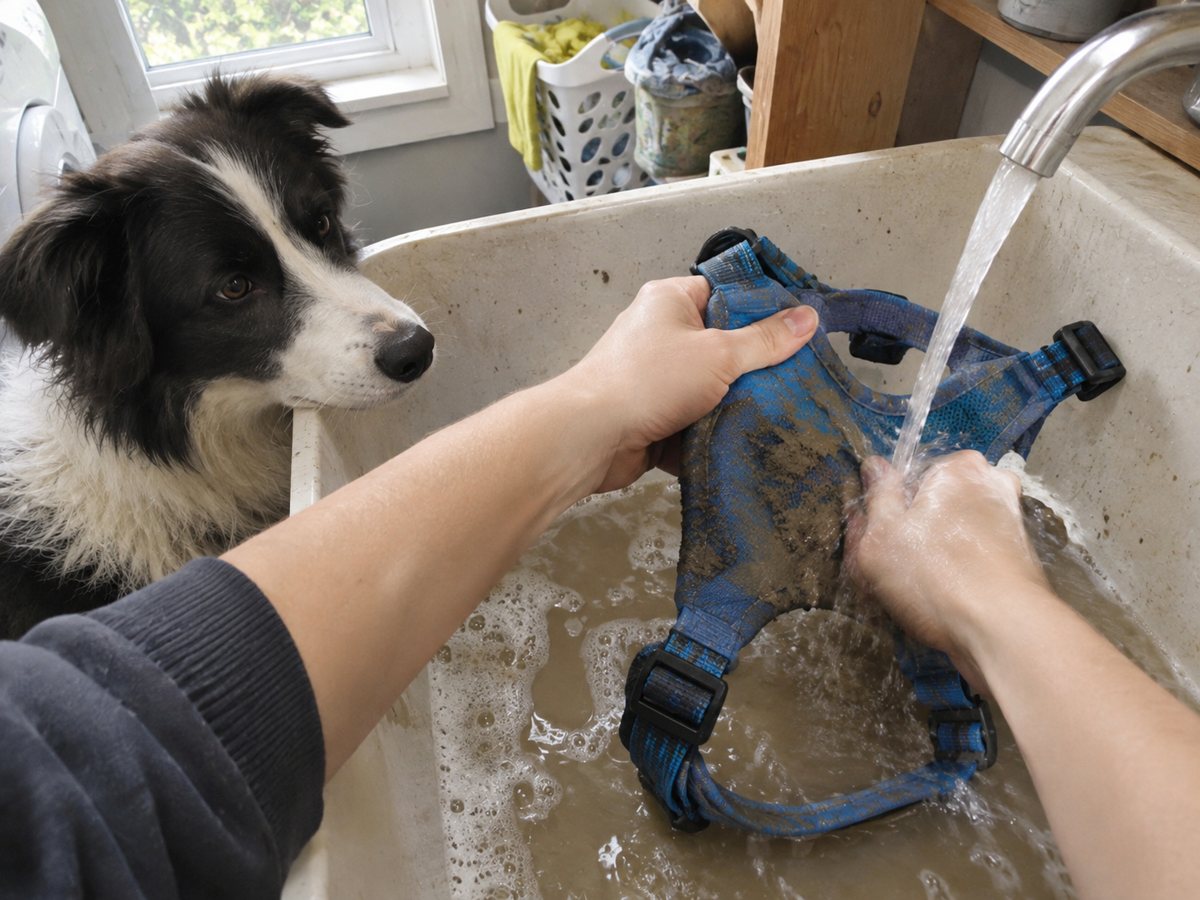
Harnesses collect sweat, mud, pollen, and skin oils. Dirt stiffens the fabric and can make once-soft edges scratchy.
Try this instead: Clean the harness according to its care label and rinse it well. Inspect the stitching while it dries.
9. Using a leash that overwhelms a tiny dog
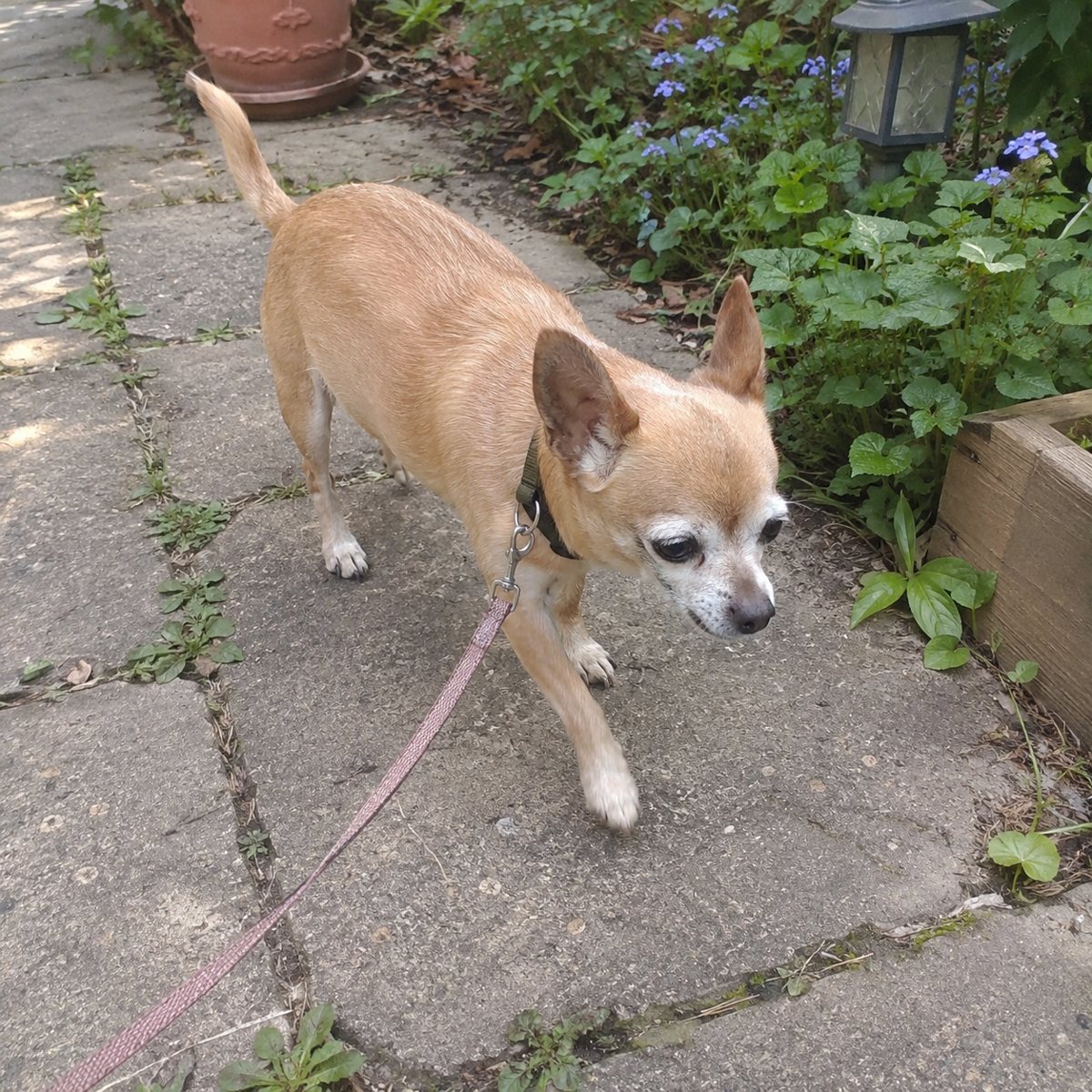
A heavy clasp can bounce against a little dog's shoulders. A thick, weighty leash may also make gentle movement harder to read.
Try this instead: Match the leash and hardware to the dog's size while keeping them strong enough for safe use. The clasp should not drag the collar downward.
10. Choosing a narrow leash for a powerful puller
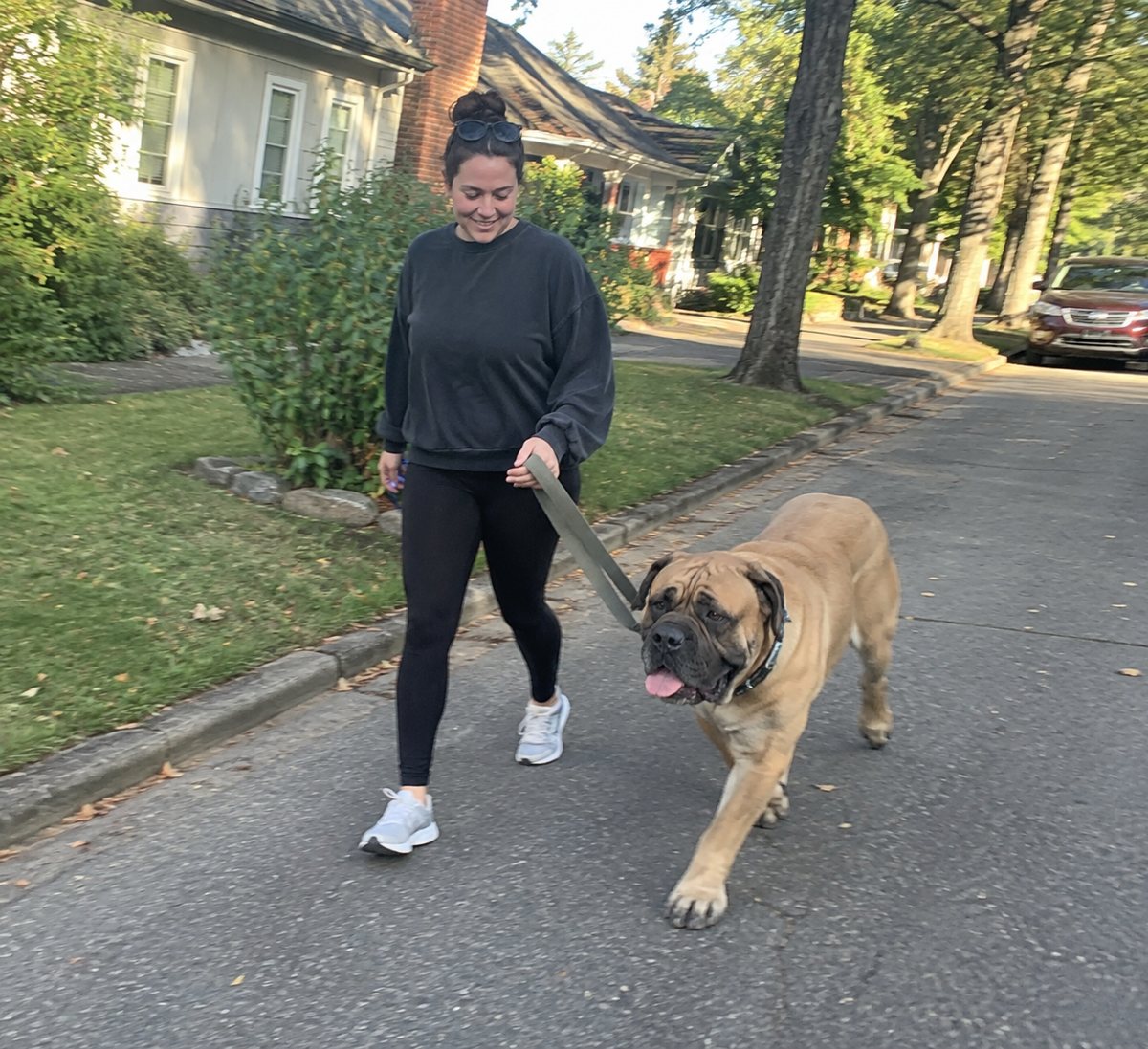
A thin leash can burn or cut the hand when a large dog surges. Poor grip makes dropping it more likely.
Try this instead: Choose a comfortable width and a handle you can hold securely. Pair better equipment with calm leash training.
11. Wrapping the leash around your hand
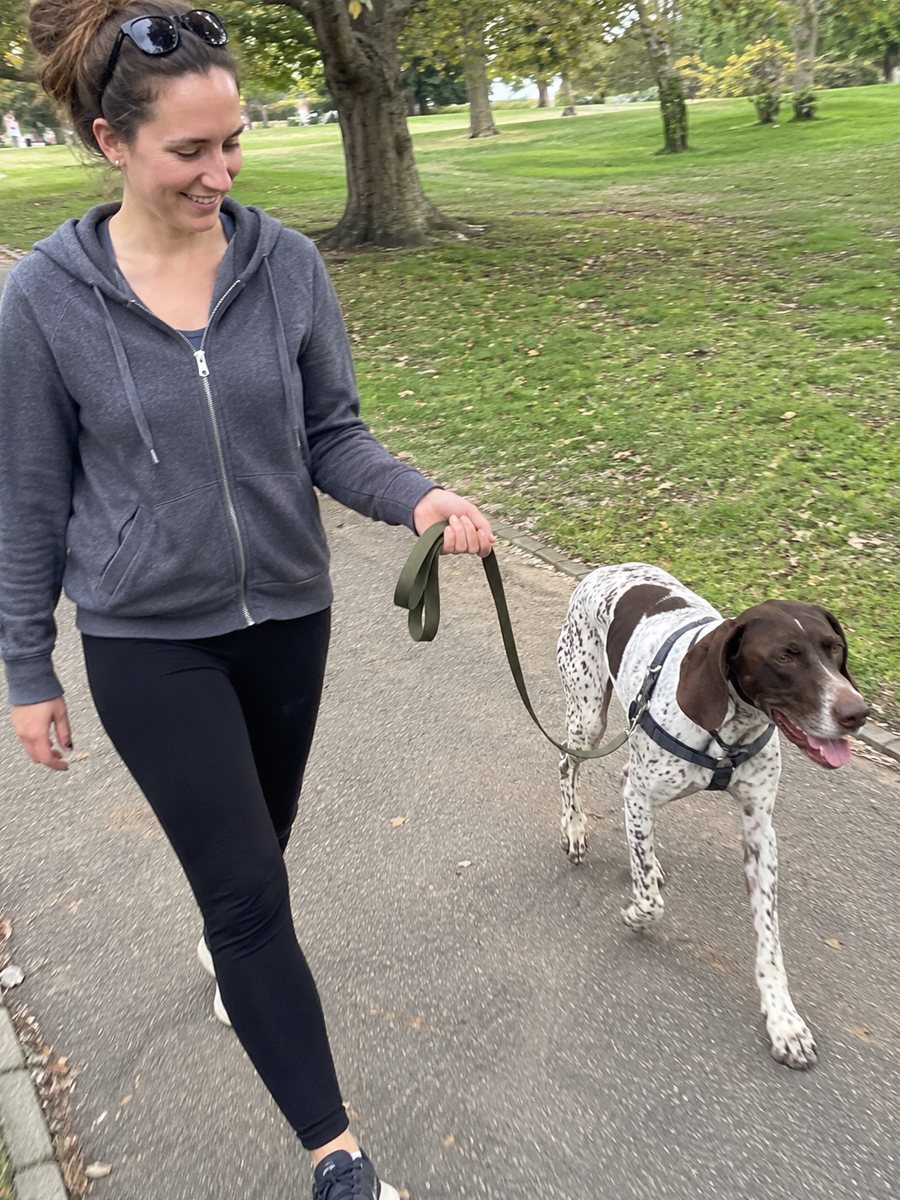
Loops tightened around fingers or a wrist can cause a serious injury during a sudden dash. The habit feels secure until the dog moves fast.
Try this instead: Place your thumb through the handle and gather spare leash in loose folds. Never bind it around any part of your body.
12. Using a retractable leash near traffic
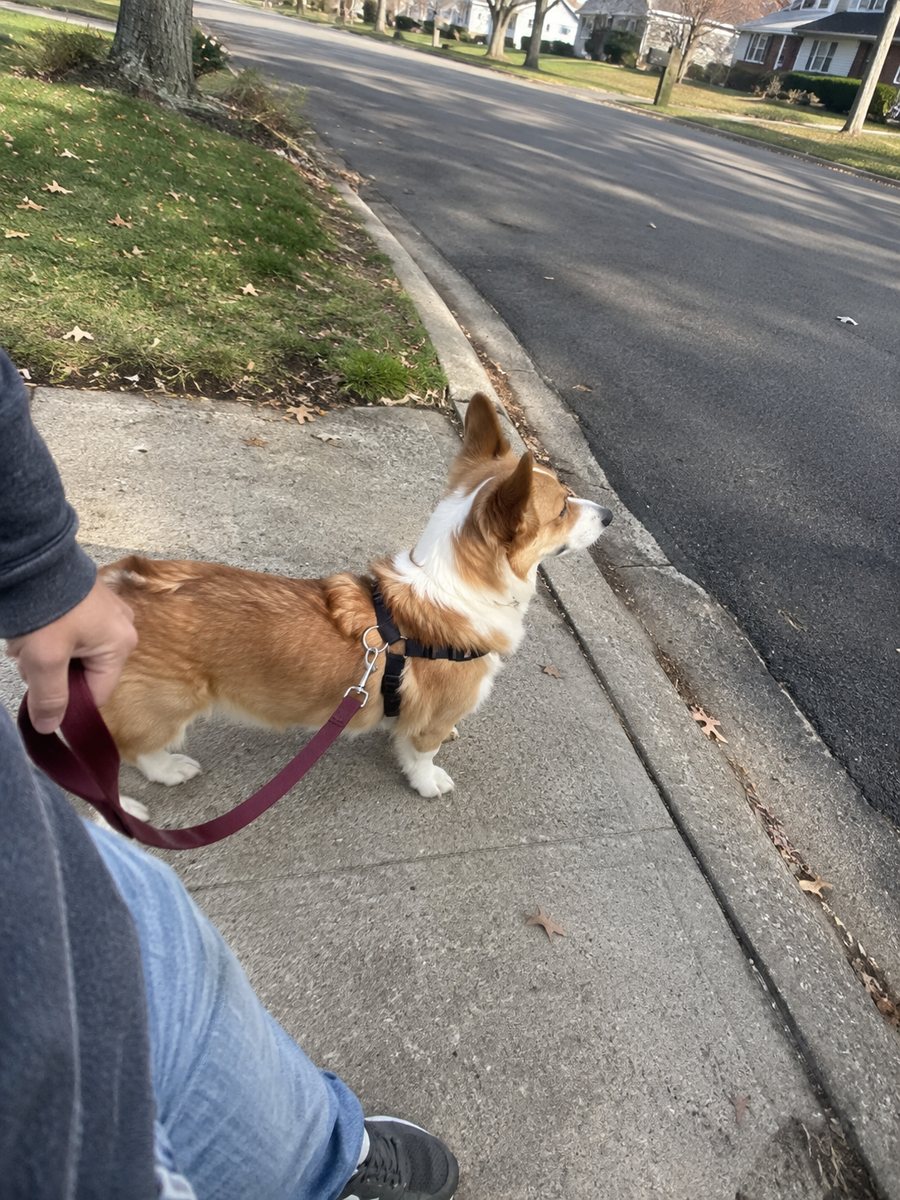
A dog can reach a driveway or road before the thin line is stopped. The lock also offers less control than many owners expect.
Try this instead: Use a fixed-length leash beside roads, parking lots, and crowds. Save extra roaming room for secure, open places.
13. Walking with the leash pulled tight
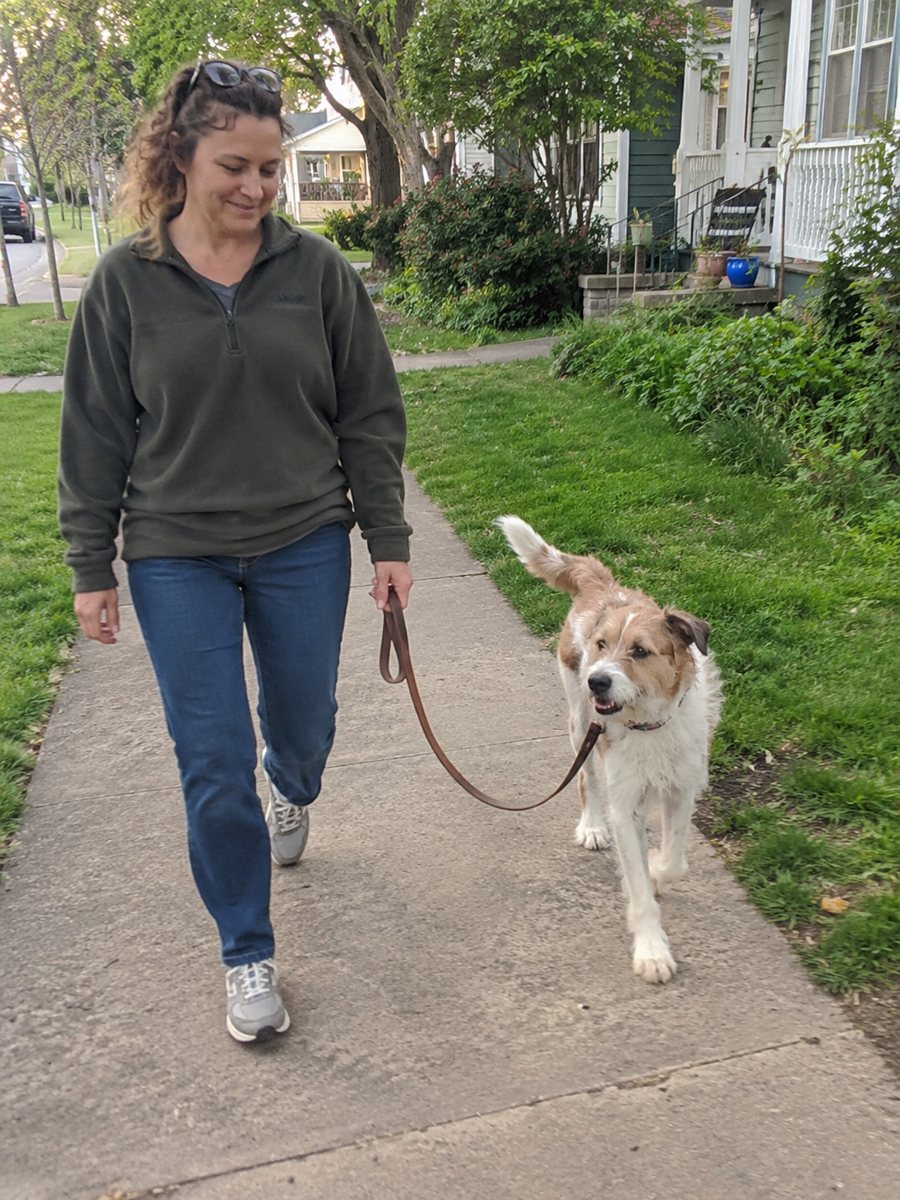
Constant tension can make every outing feel like a tug-of-war. It also teaches the dog that pressure is simply part of walking.
Try this instead: Reward moments when the leash forms a soft curve. Pause or change direction before pulling becomes a steady contest.
Also read: 27 Things 1950s Dog Owners Did That Seem Strange Today
14. Jerking the leash to correct pulling
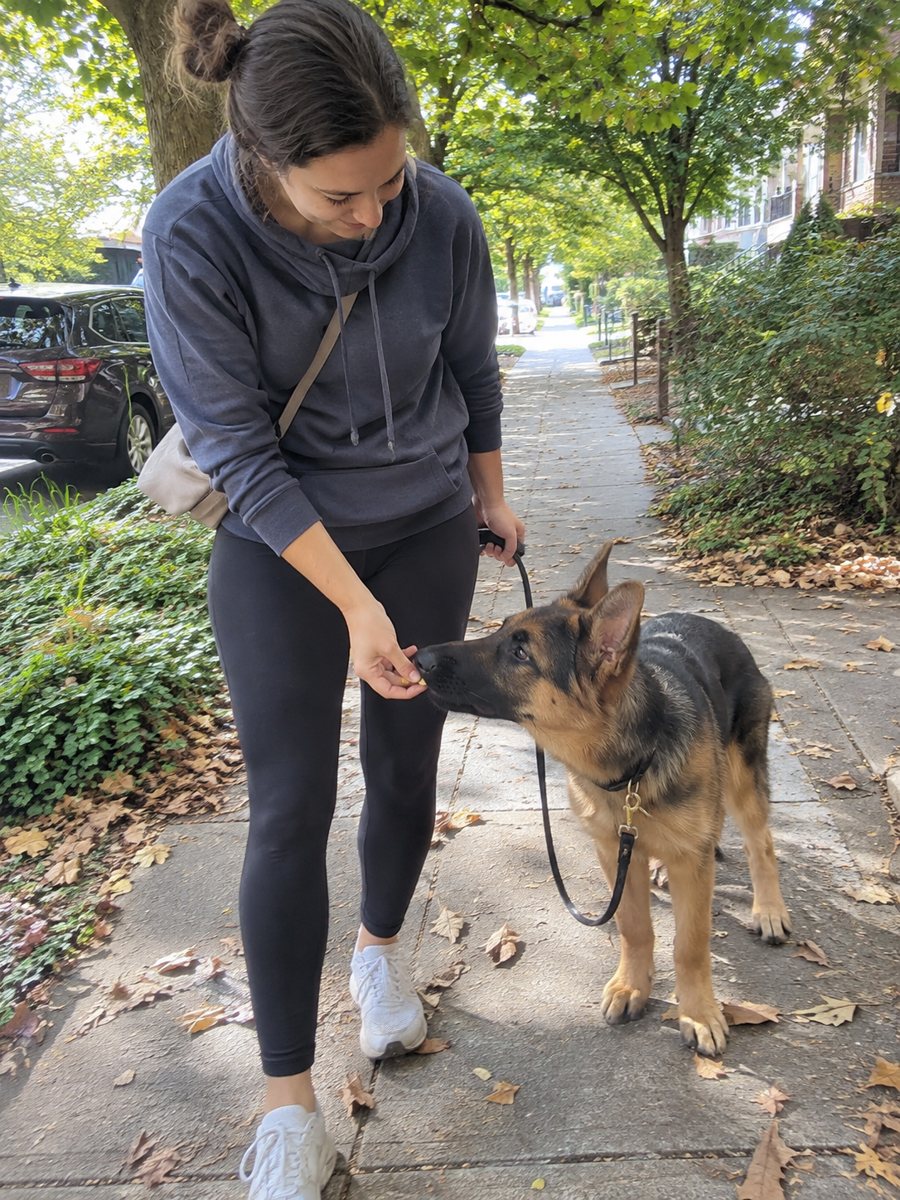
Sharp leash pops can frighten a sensitive dog and strain the neck. They rarely explain what behavior would earn a reward.
Try this instead: Teach a nearby walking position with treats, praise, and short practice sessions. A qualified reward-based trainer can help with strong pulling.
15. Attaching identification only to the harness
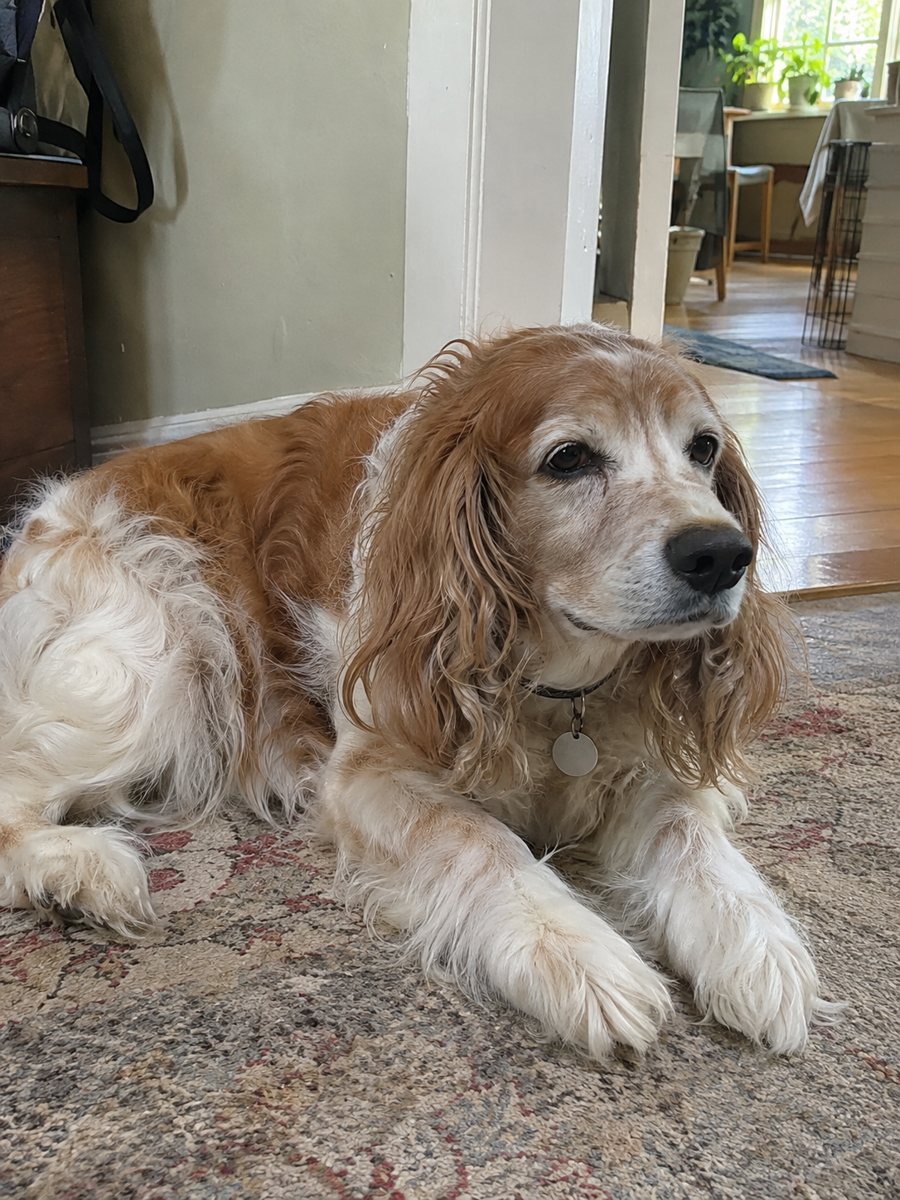
Many owners remove a harness as soon as the walk ends. If the dog slips through a door later, the identification goes nowhere.
Try this instead: Keep current identification on a properly fitted everyday collar when safe and appropriate. Make sure the microchip registration is current too.
16. Forgetting to inspect the leash clasp
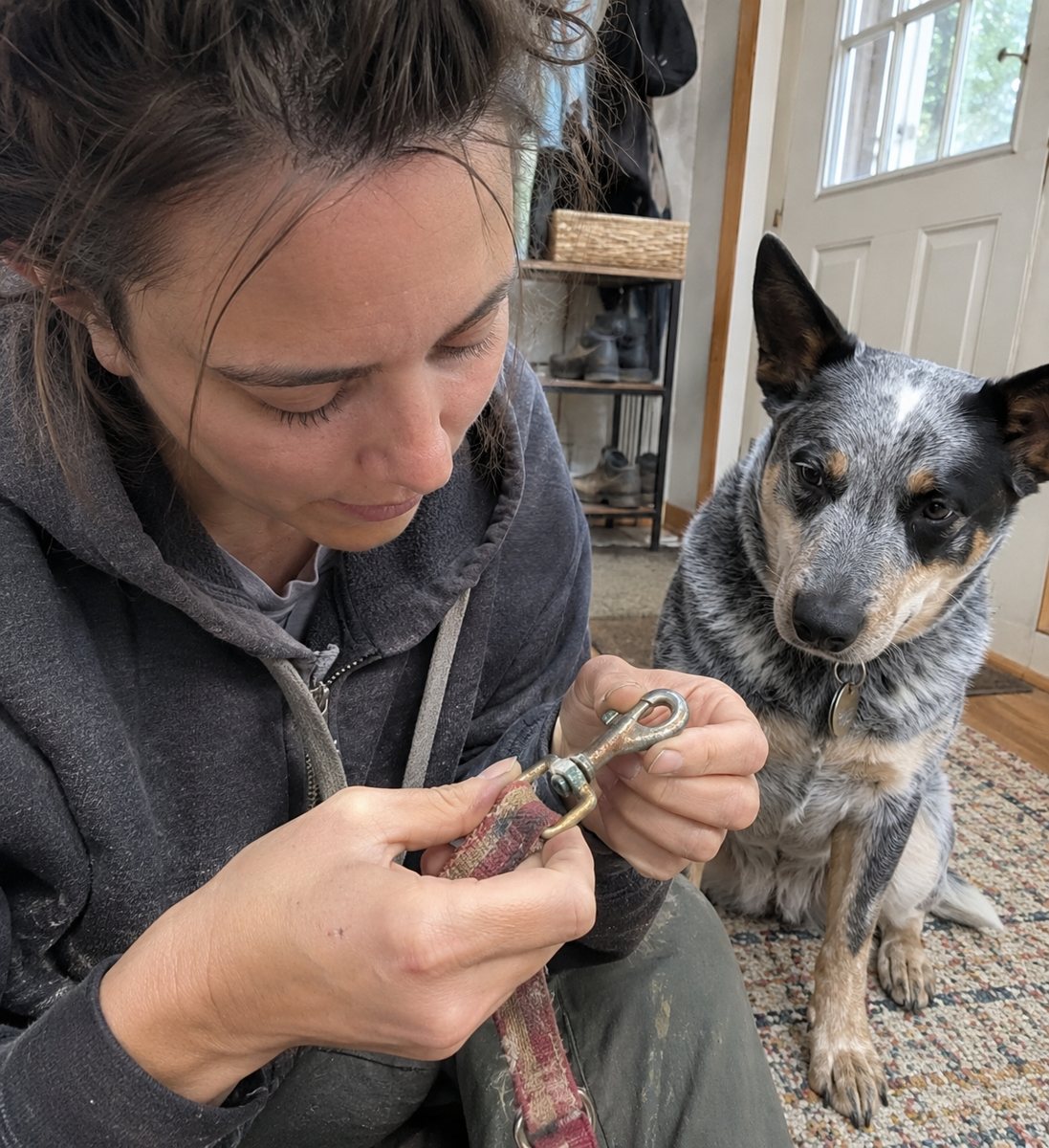
Sand, hair, and age can keep a clasp from closing fully. A worn spring may look normal until it releases.
Try this instead: Open, close, and tug-test the clasp regularly. Replace hardware that sticks, bends, cracks, or closes incompletely.
17. Trusting chewed webbing
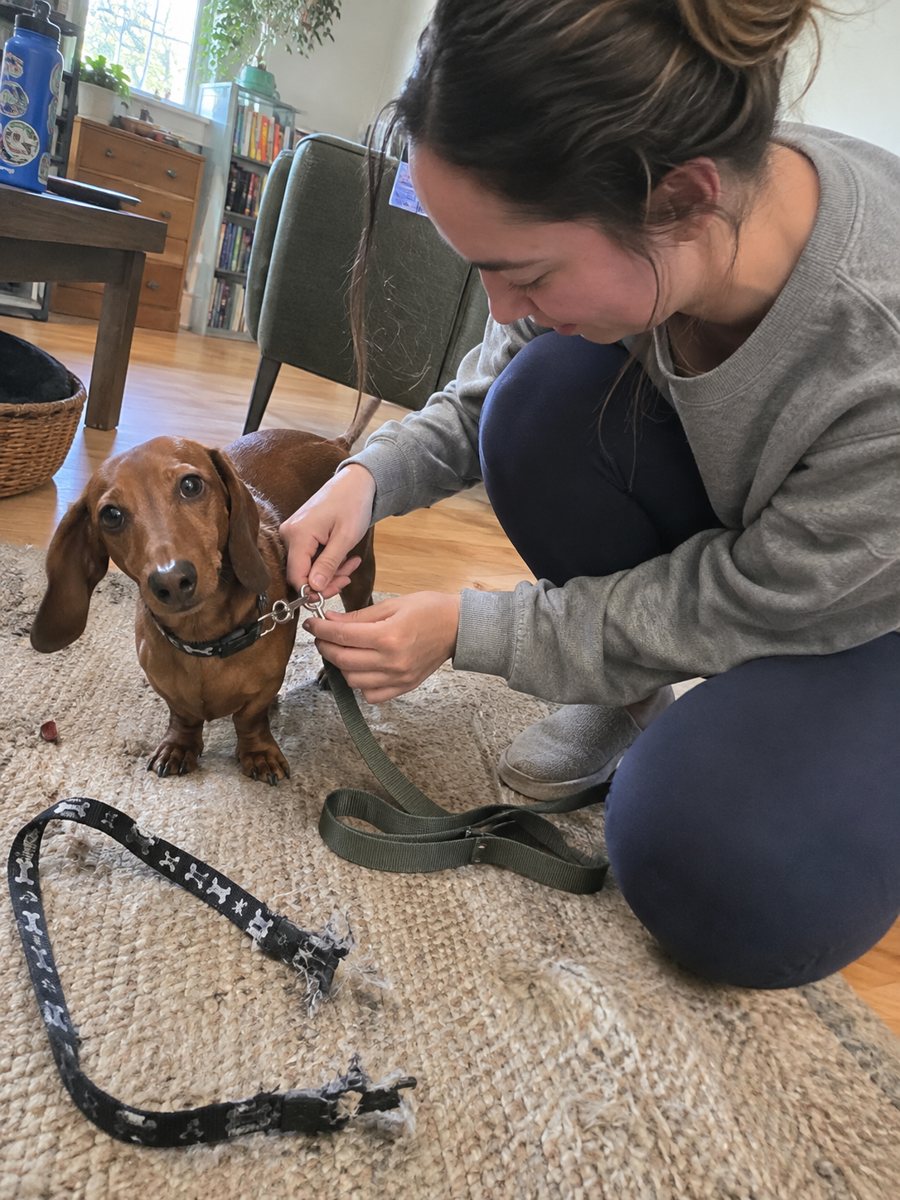
A few tooth marks can weaken a leash or harness more than they appear to. Fraying often spreads beneath the surface.
Try this instead: Replace chewed or deeply frayed gear promptly. Store walking equipment beyond the dog's reach.
18. Leaving walking gear on in a crate
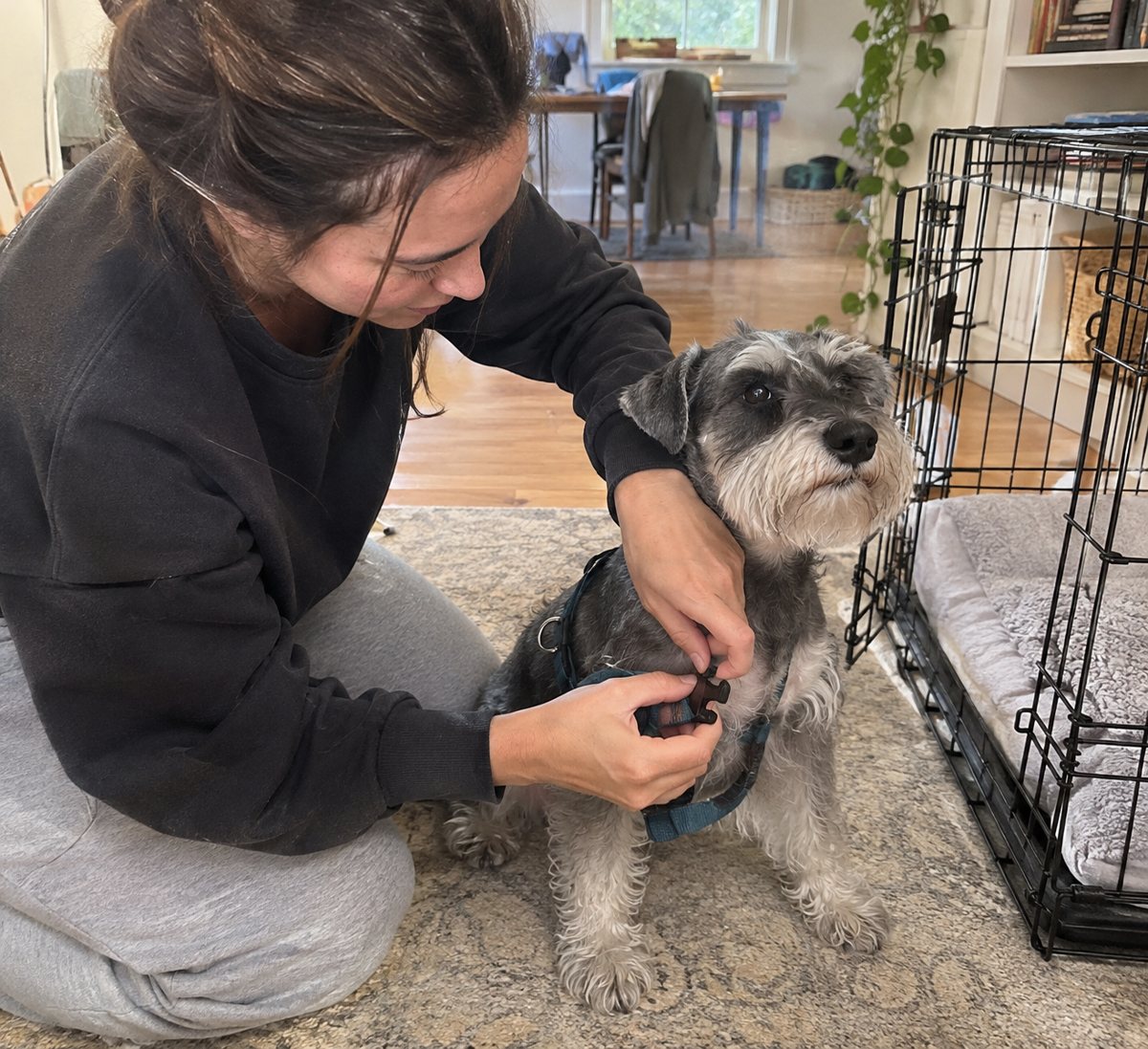
Collars and harnesses can catch on crate wires or latches. A trapped dog may panic and tighten the snag.
Try this instead: Remove gear before crating when it is safe to do so. Follow the crate maker's safety guidance and keep identification plans in place.
19. Using one setup for every situation
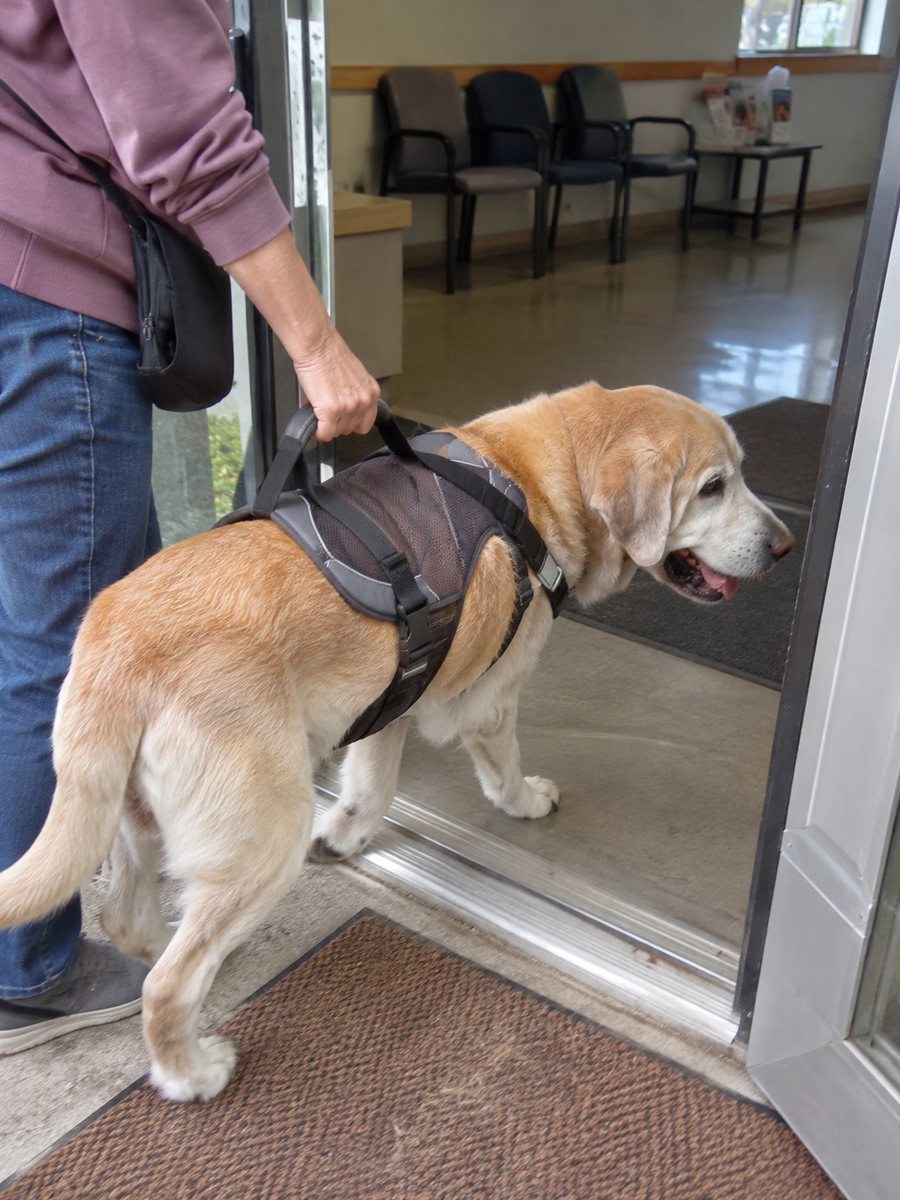
The equipment suited to a quiet sniff walk may be awkward in a busy veterinary lobby. Dogs also change as they age or recover from injury.
Try this instead: Choose gear for the dog, setting, and activity. Ask a veterinarian about fitting needs when pain or mobility is involved.
20. Skipping the final door check
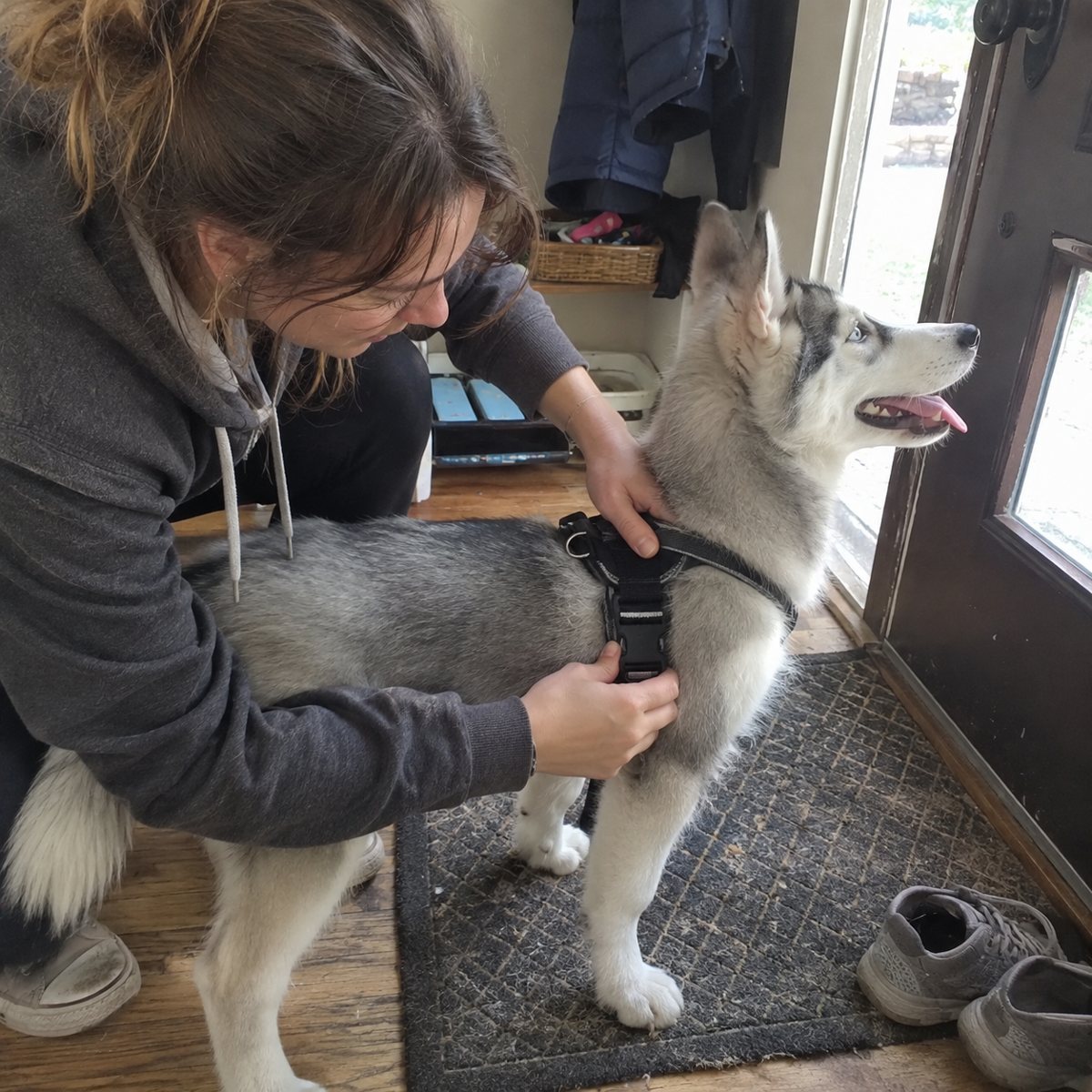
Twisted straps and half-fastened buckles are hard to see on an excited dog. One rushed click can leave the harness unsecured.
Try this instead: Pause at the door and touch every buckle and attachment point. That five-second ritual can prevent a frightening escape.
Good walking gear should feel almost uneventful: no rubbing, slipping, tangling, or surprises. Check the fit often, and let your dog's comfort guide the choice.
Also read: Dog Grooming in 1980 vs. Today: 26 Wild Before-and-Afters
 Nala Kept Watching The Window, Still Waiting For The Family Who Left Her Behind
 After Five Days On The Same Corner, Two Frightened Dogs Showed Their Rescuer What Home Really Meant
 Alejandro Smiled Through The Rain, And His Lonely Little Wait Was Finally Over
 Nyla Had Almost Stopped Hoping, Then A Grieving Family Drove Four Hours To Find Her
 Demi Gave Her Puppies Everything, Then Waited For Someone To Choose Her
 After Three Years Of Waiting, A Golden Retriever Walked Straight To His New Mom And Dad