
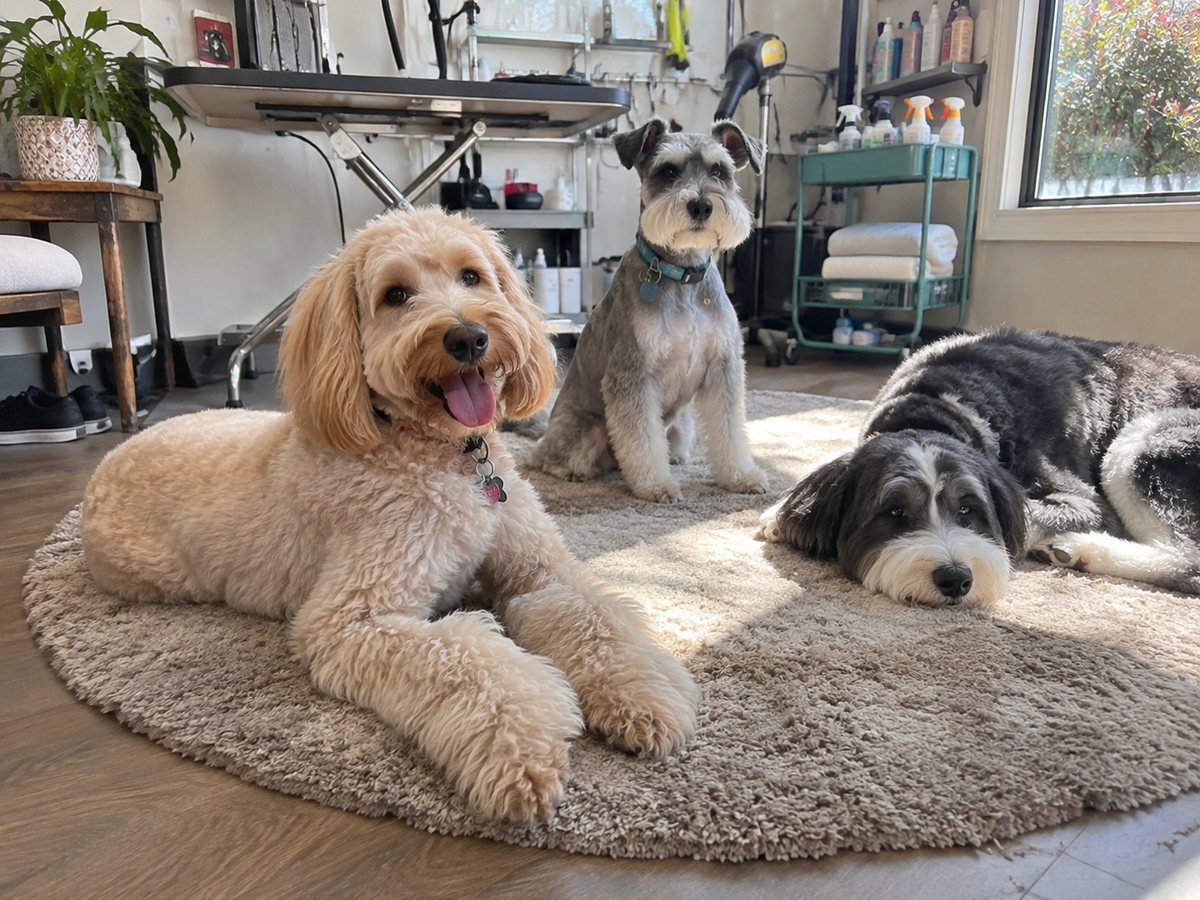
These 15 practical cuts are designed for breed-appropriate coats and a realistic six-to-ten-week grooming rhythm. Brushing, coat texture, health, and lifestyle still determine how long each look stays neat.
1. The even teddy trim for Shih Tzus
A moderate, even length gives a Shih Tzu a round outline without leaving fussy sections. As it grows, the body and legs stay balanced.
Ask for clear eyes, rounded feet, and a softly blended face. Daily face care and frequent combing keep the longer coat comfortable.
Also readThey Wanted This Healthy Blind Dog Put Down – Until One Woman Said “Not On My Watch”
2. The practical puppy cut for Maltese
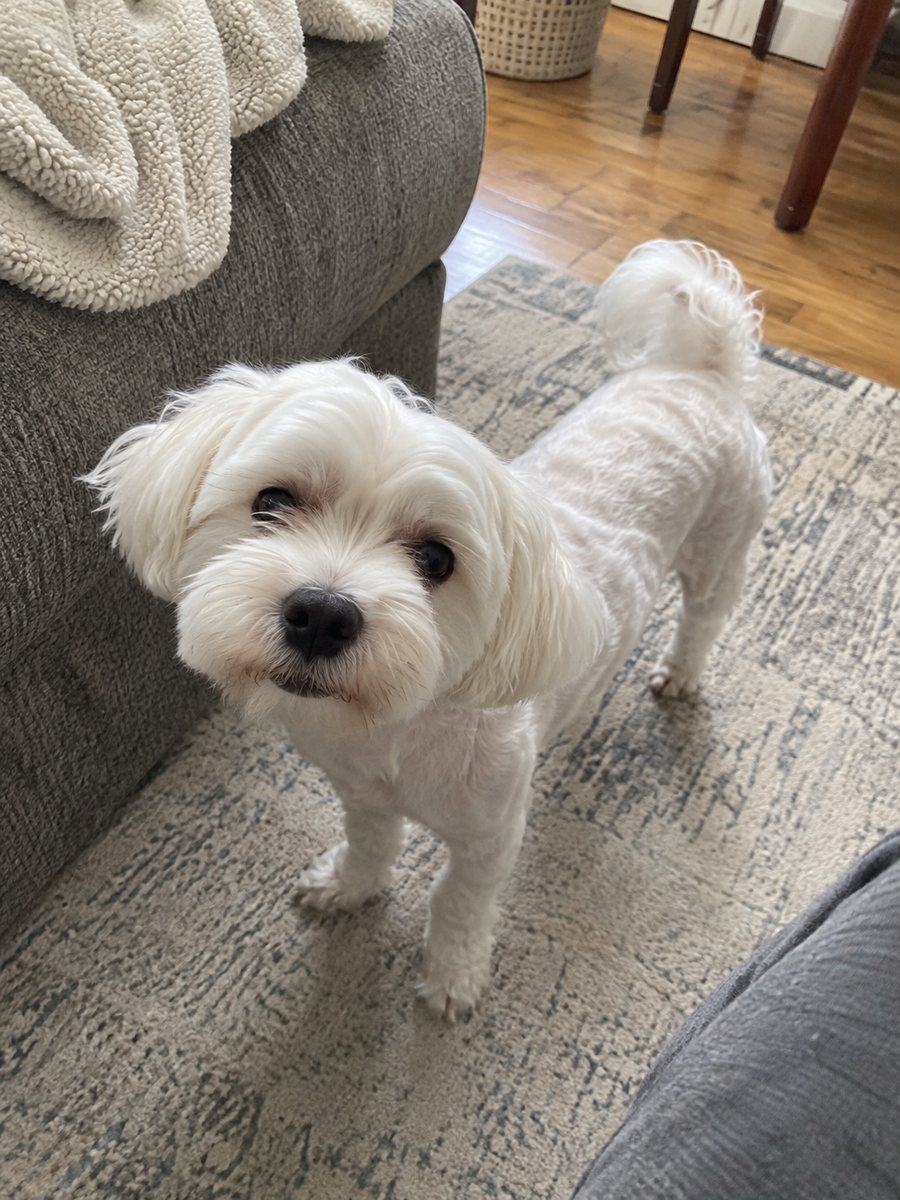
One manageable length across the body can remain tidy as a Maltese coat grows. There are no sharp skirt lines to lose their shape.
Keep the ears softly trimmed and the sanitary areas practical. Gentle combing prevents the silky hair from matting close to the skin.
3. The longer lamb trim for miniature poodles
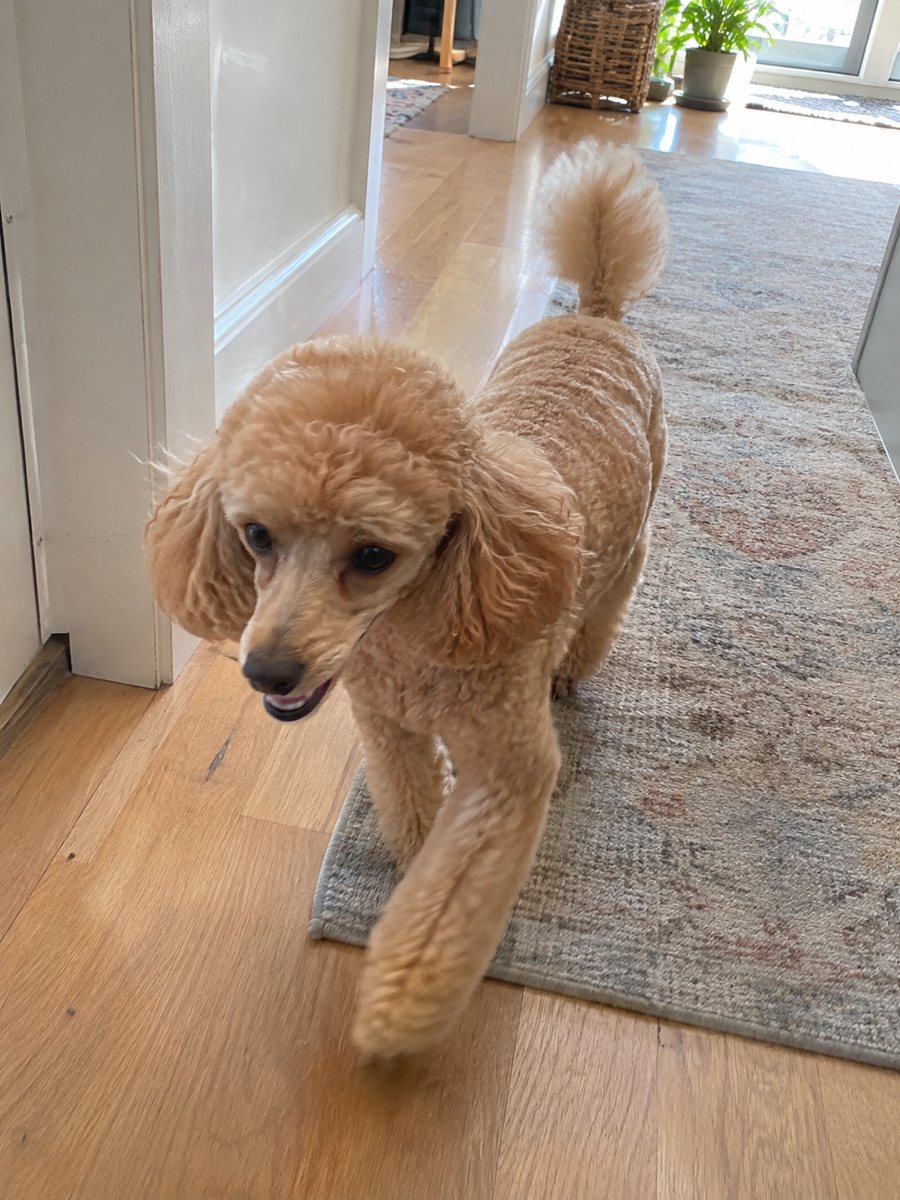
A slightly shorter body with softly fuller legs grows into a plush, balanced silhouette. The smooth blending makes extra growth less obvious.
Clean feet are optional, so families can choose a softer foot. Poodle coats still need thorough brushing and scheduled professional care.
4. The rounded utility trim for bichons
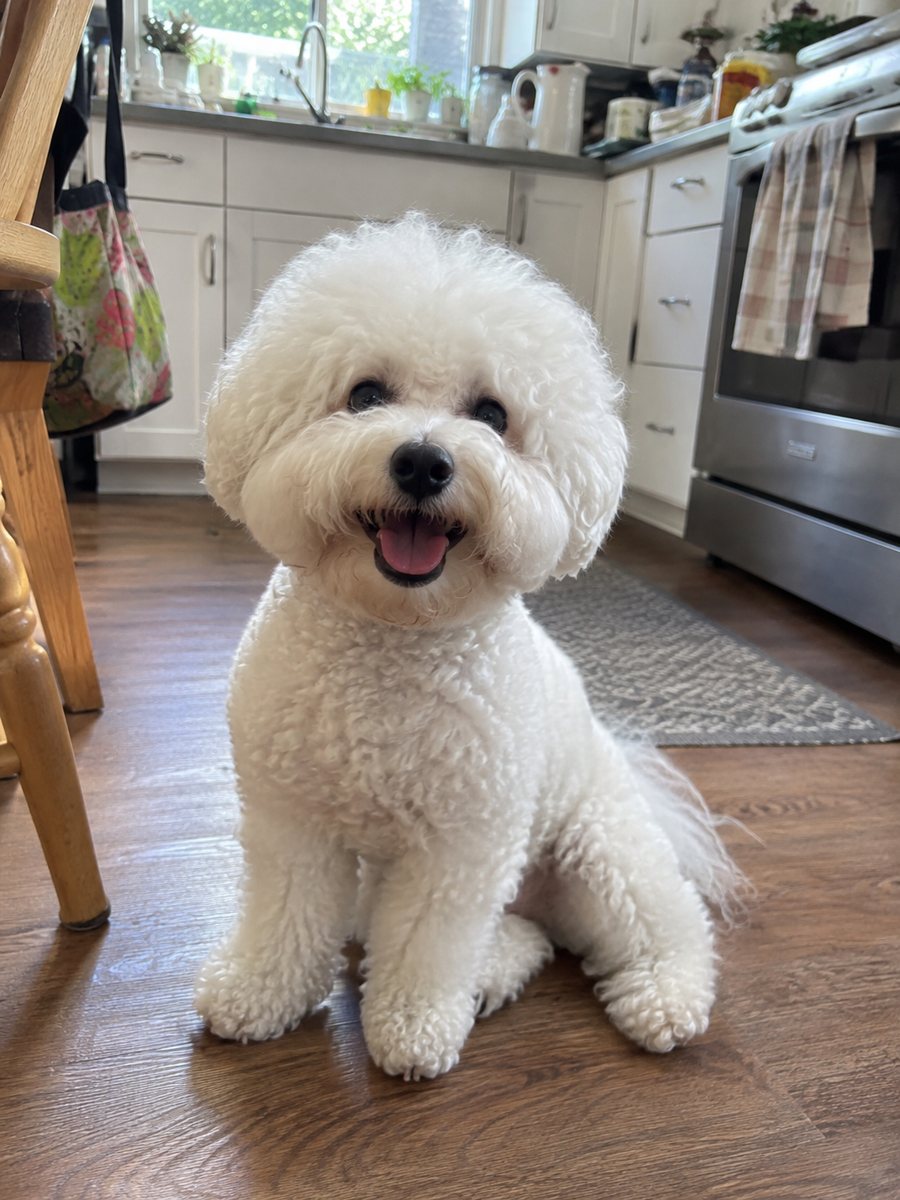
A shorter utility version of the bichon shape keeps the head round without creating a giant cloud. The outline becomes softer, not shapeless, over several weeks.
Ask for a manageable body and carefully blended legs. Regular combing is essential because curls can mat before they look tangled.
5. The blended pet trim for Havanese
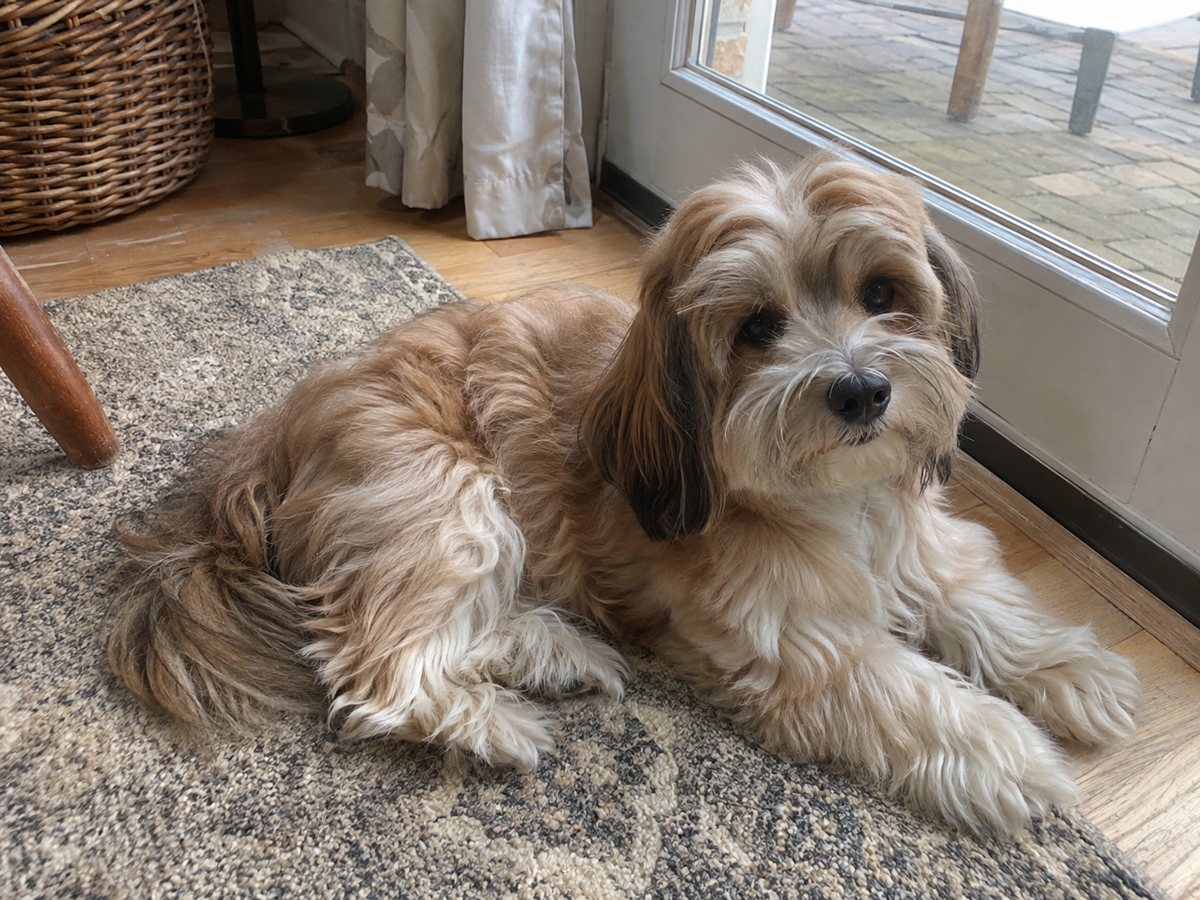
A medium pet trim preserves the Havanese's soft, slightly tousled character. Subtle blending means new growth looks intentional.
Leave enough length for the coat to move without sweeping the floor. Comb behind the ears, legs, and harness area often.
Also read: 20 Collar and Leash Mistakes Nobody Warns You About
6. The soft outline trim for Lhasa Apsos
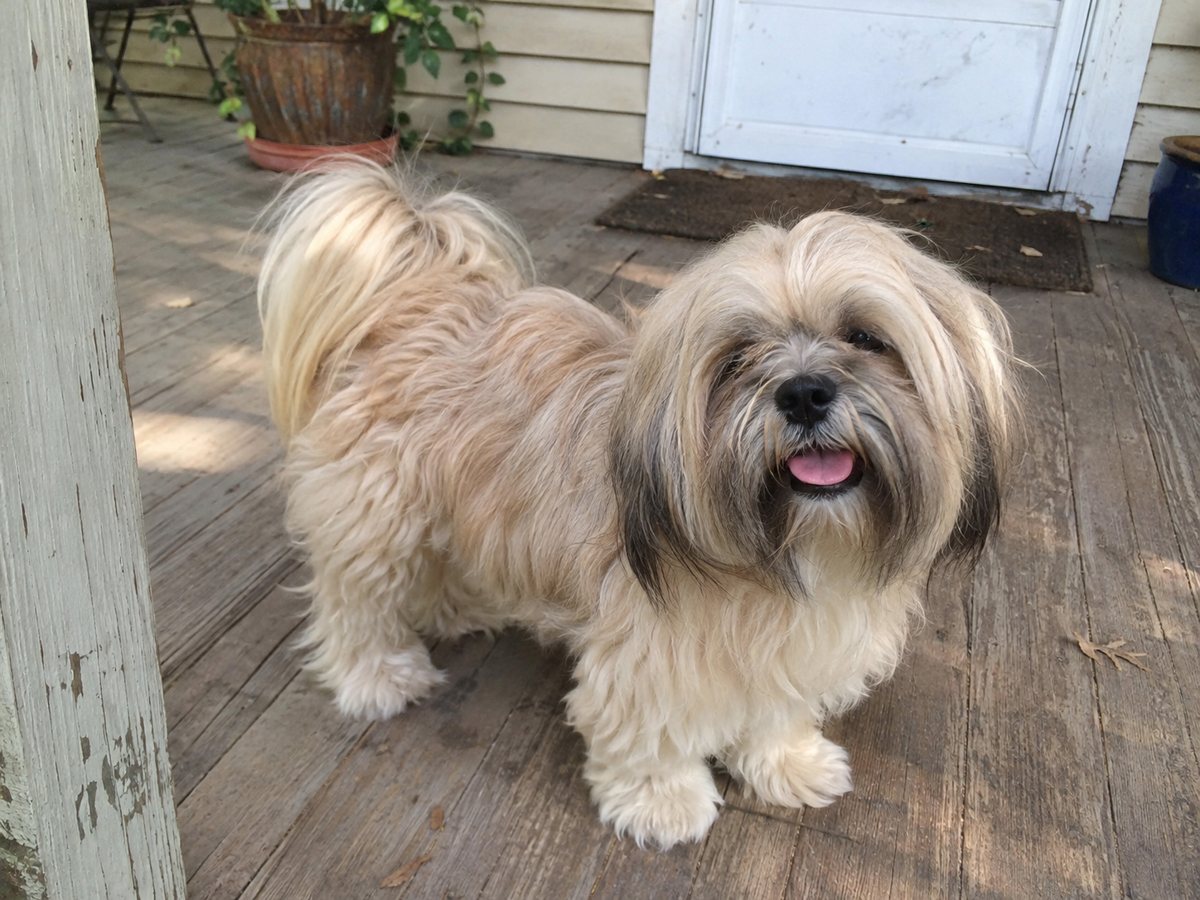
A straight, moderate outline gives a Lhasa Apso a polished shape without a floor-length coat. It grows down evenly instead of sprouting in separate layers.
Ask the groomer to keep the eyes visible and the feet neat. The dense coat requires consistent combing all the way to the skin.
7. The natural Westie pet trim
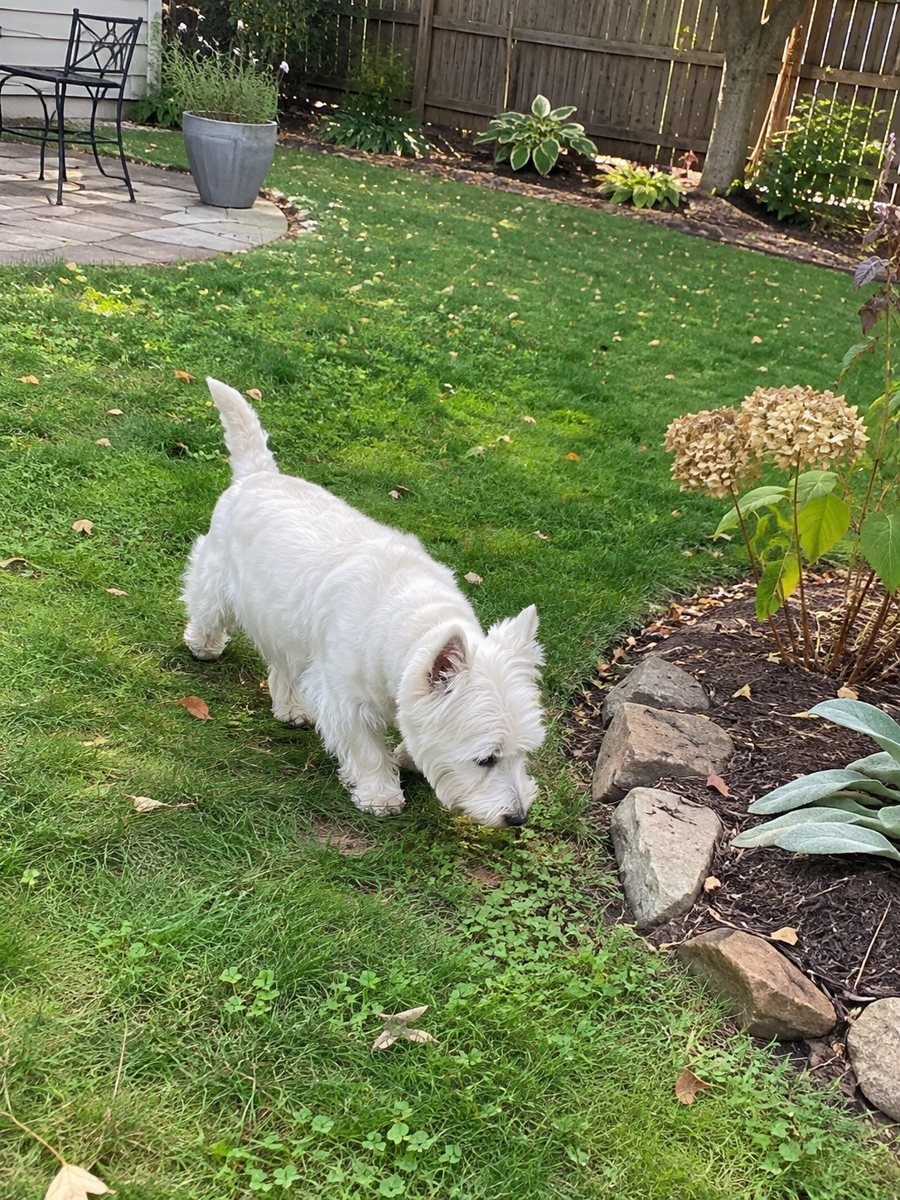
A practical West Highland terrier trim keeps the back shorter and blends the sides without an abrupt skirt. The sturdy outline survives a little extra growth.
A softly rounded head is easier to maintain than an exaggerated one. Discuss clipping or hand-stripping with a groomer who understands the coat.
8. The low-maintenance schnauzer blend
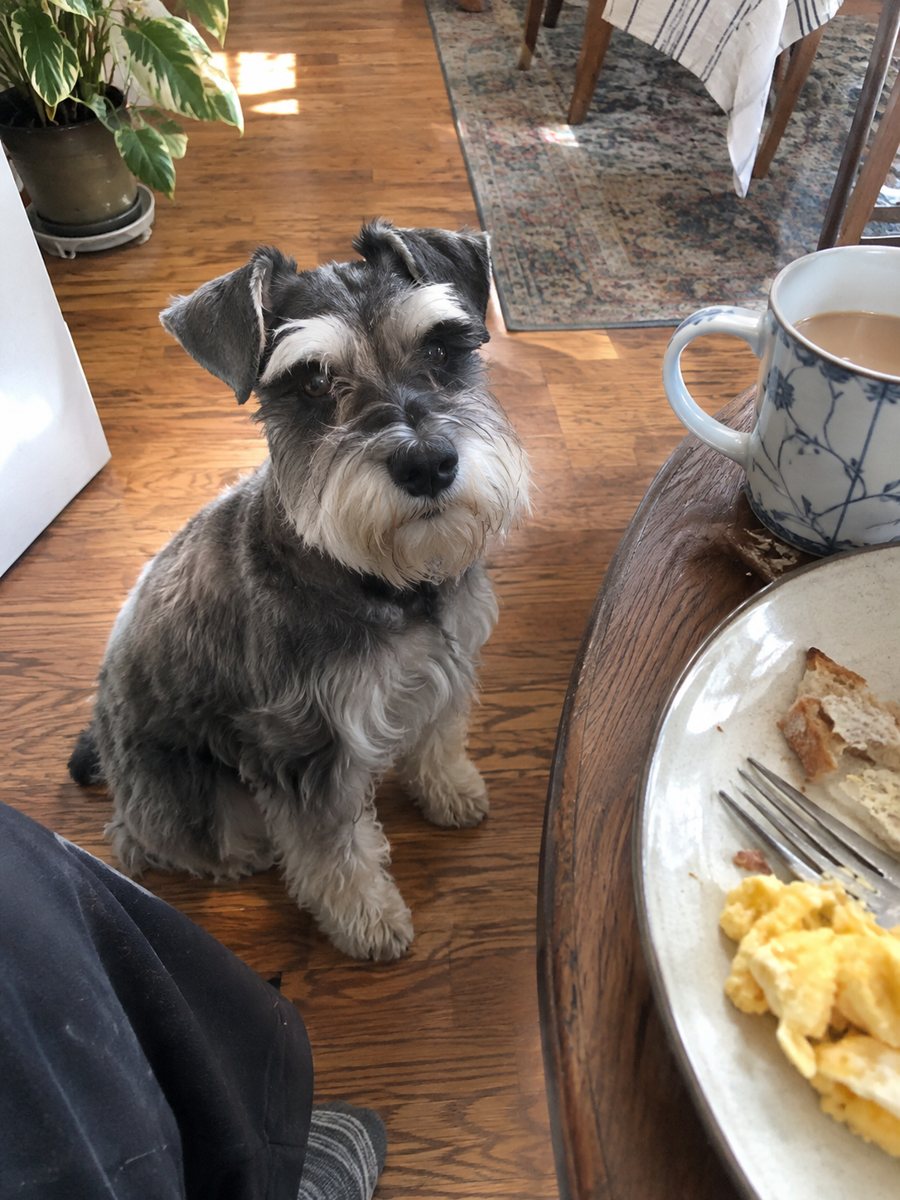
A short body with a modest beard and softly blended furnishings stays recognizable without becoming dramatic. Shorter leg hair tangles less between appointments.
Ask for eyebrows that clear the eyes and a beard suited to home care. Comb the beard after messy meals and check the legs for knots.
9. The tidy spaniel field trim
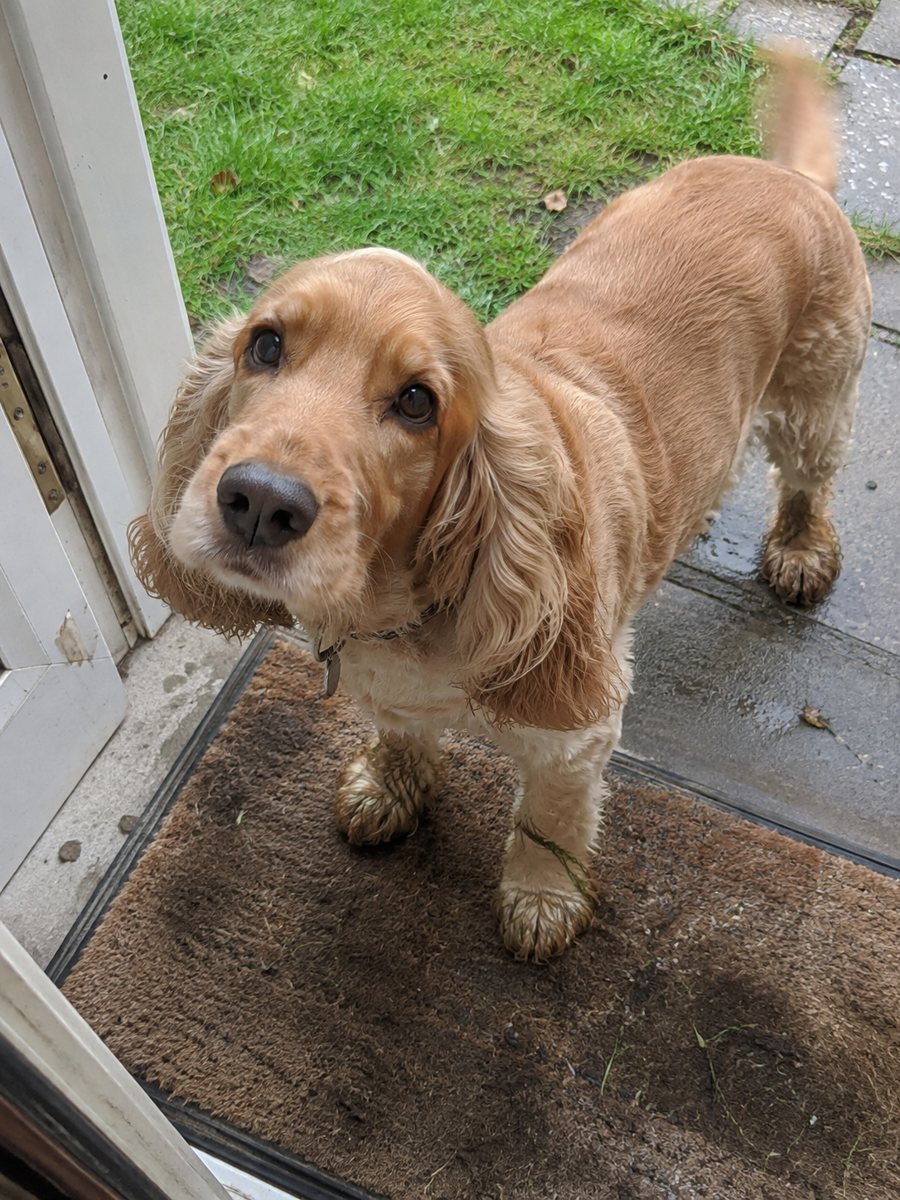
For pet cocker spaniels, a shorter field-style trim avoids the heavy skirt that quickly collects debris. Smooth transitions let the coat grow without obvious ledges.
Keep feathering modest on the ears, chest, and legs. Spaniel ears still need routine checking and veterinarian-guided care.
10. The feather-neatening trim for Cavaliers
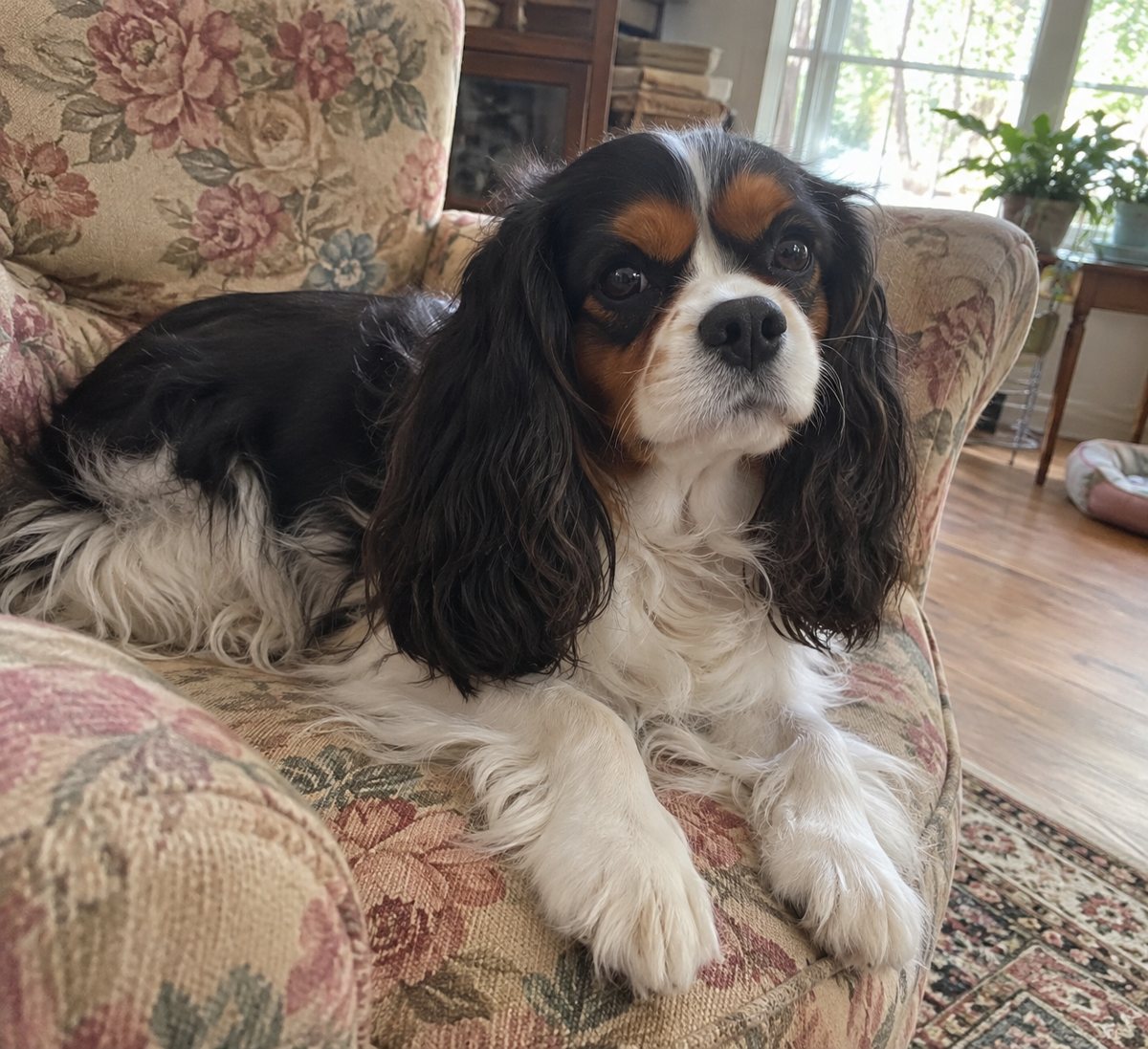
Cavalier King Charles spaniels often need tidying more than reshaping. Lightly neatened feet and feathering preserve the breed's natural look as it grows.
Avoid shaving the coat merely for convenience unless veterinary needs say otherwise. Brush the silky ears and friction points regularly.
Also read: 27 Things 1950s Dog Owners Did That Seem Strange Today
11. The balanced trim for soft-coated wheatens
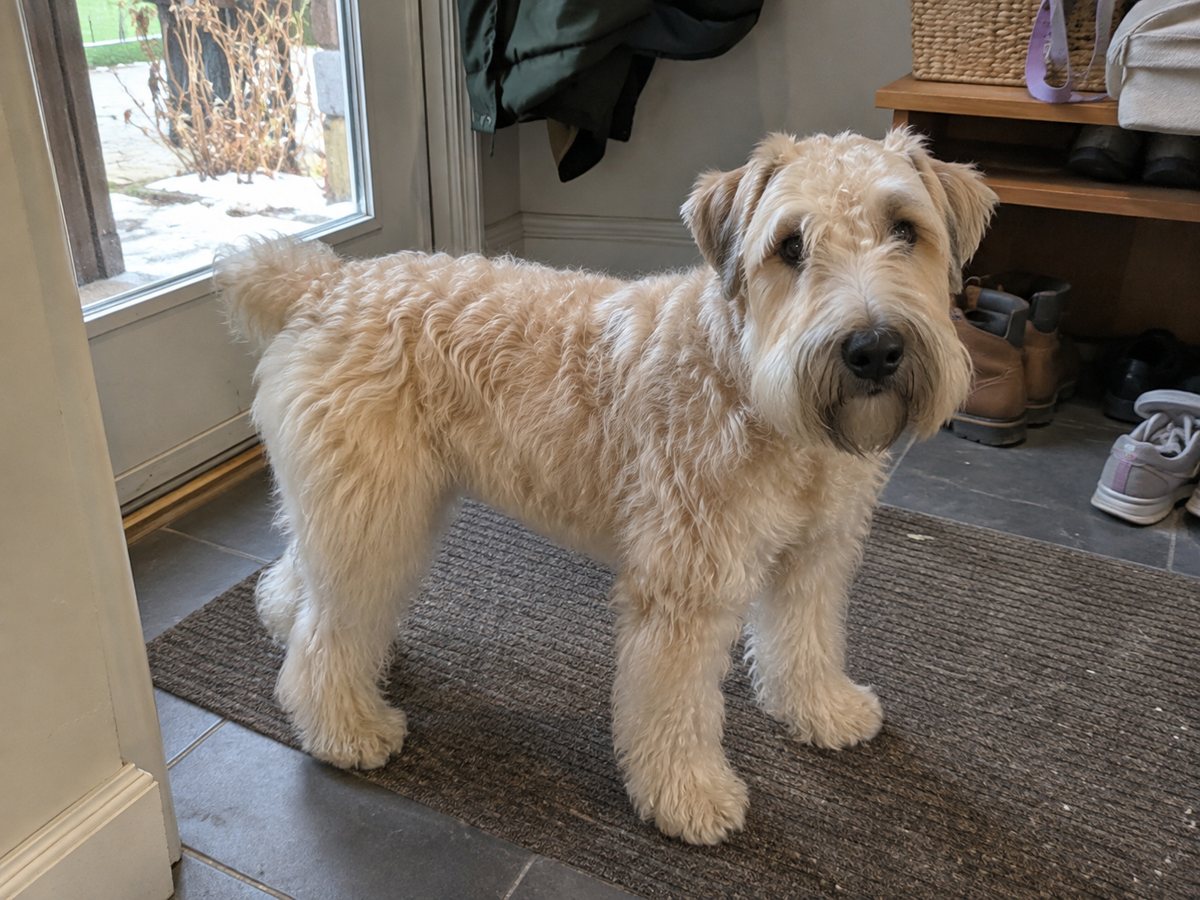
A moderate pet trim can retain the wheaten's flowing outline without long, fragile furnishings. Careful blending makes six weeks of growth look relaxed.
Ask for an open face and manageable leg length. Frequent combing is necessary because the soft coat can hide mats.
12. The shaggy round trim for doodle-type coats
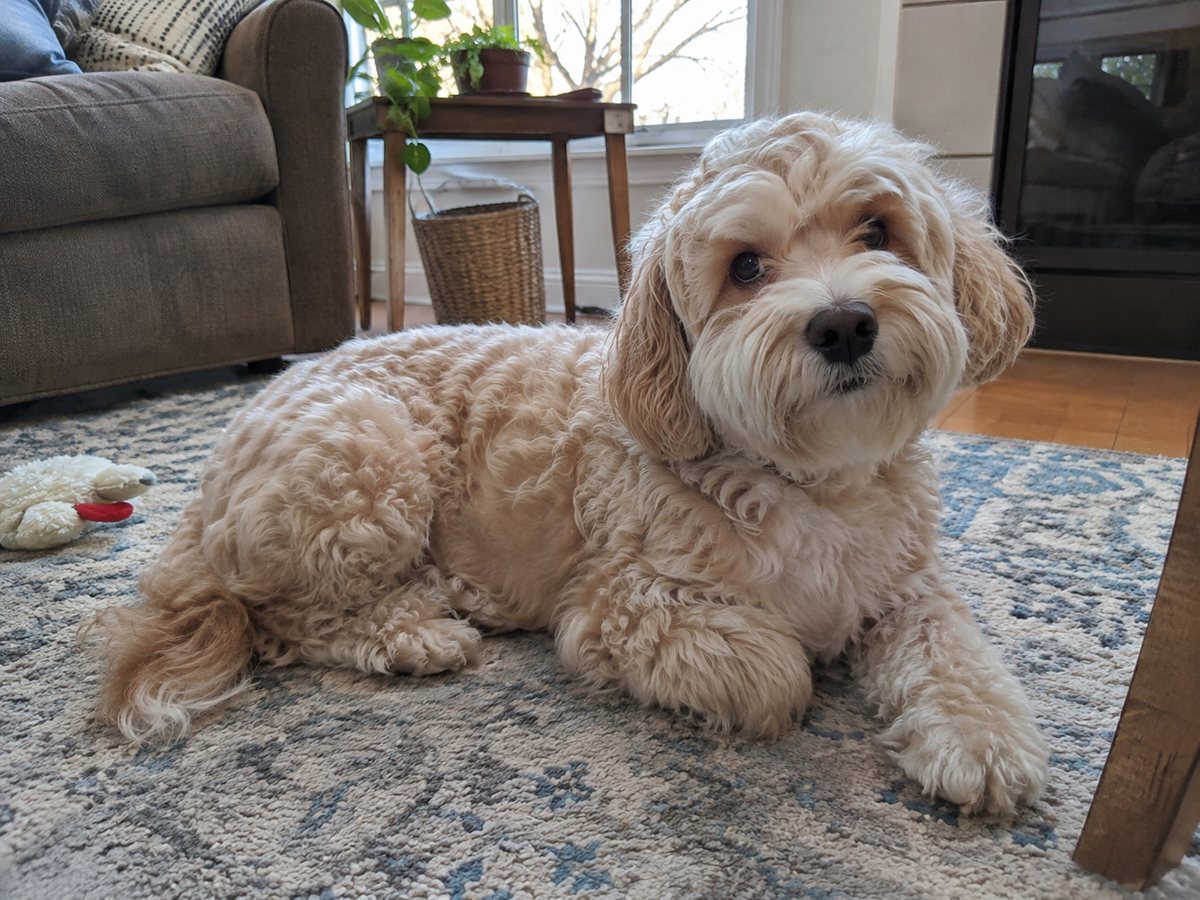
A medium, even trim with a rounded face grows more gracefully than a very short body paired with oversized legs. The result stays proportionate as curls return.
Coat type varies widely, even among related dogs. Agree on a length you can brush completely and book care before matting begins.
13. The compact teddy trim for Yorkies
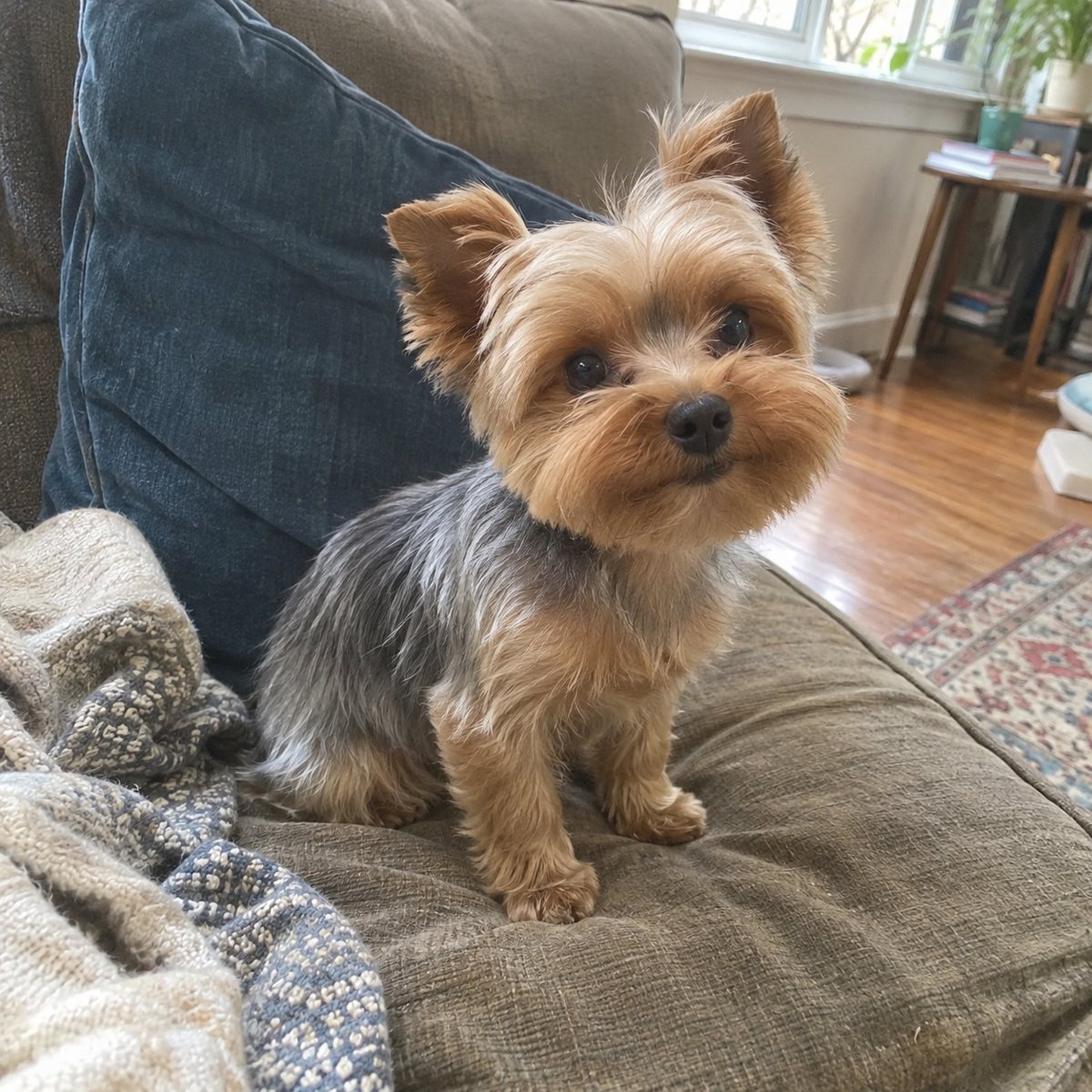
A compact trim gives a Yorkshire terrier clean lines while keeping a little softness around the face. The silky coat lengthens evenly without dragging.
Ask for short, rounded feet and a face that stays clear of the eyes. Comb the ears, chin, and harness area between visits.
14. The natural silhouette for Cairn terriers
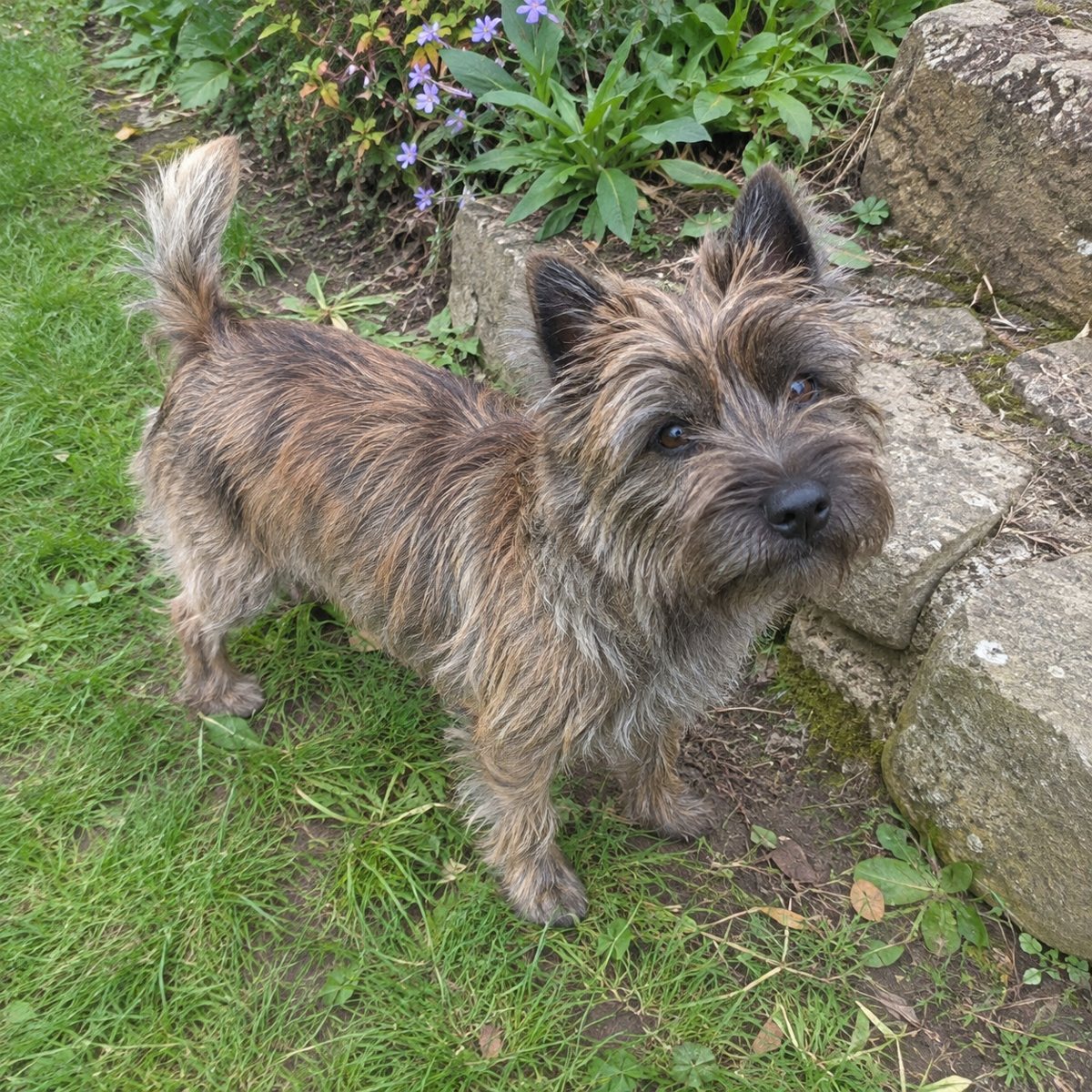
A Cairn should retain a scruffy, weather-ready outline rather than look sharply sculpted. Skilled tidying removes excess without creating lines that quickly disappear.
Ask about coat-appropriate hand work instead of automatic close clipping. A knowledgeable groomer can tailor care to the individual coat.
15. The tidy foot-and-feather trim for goldens
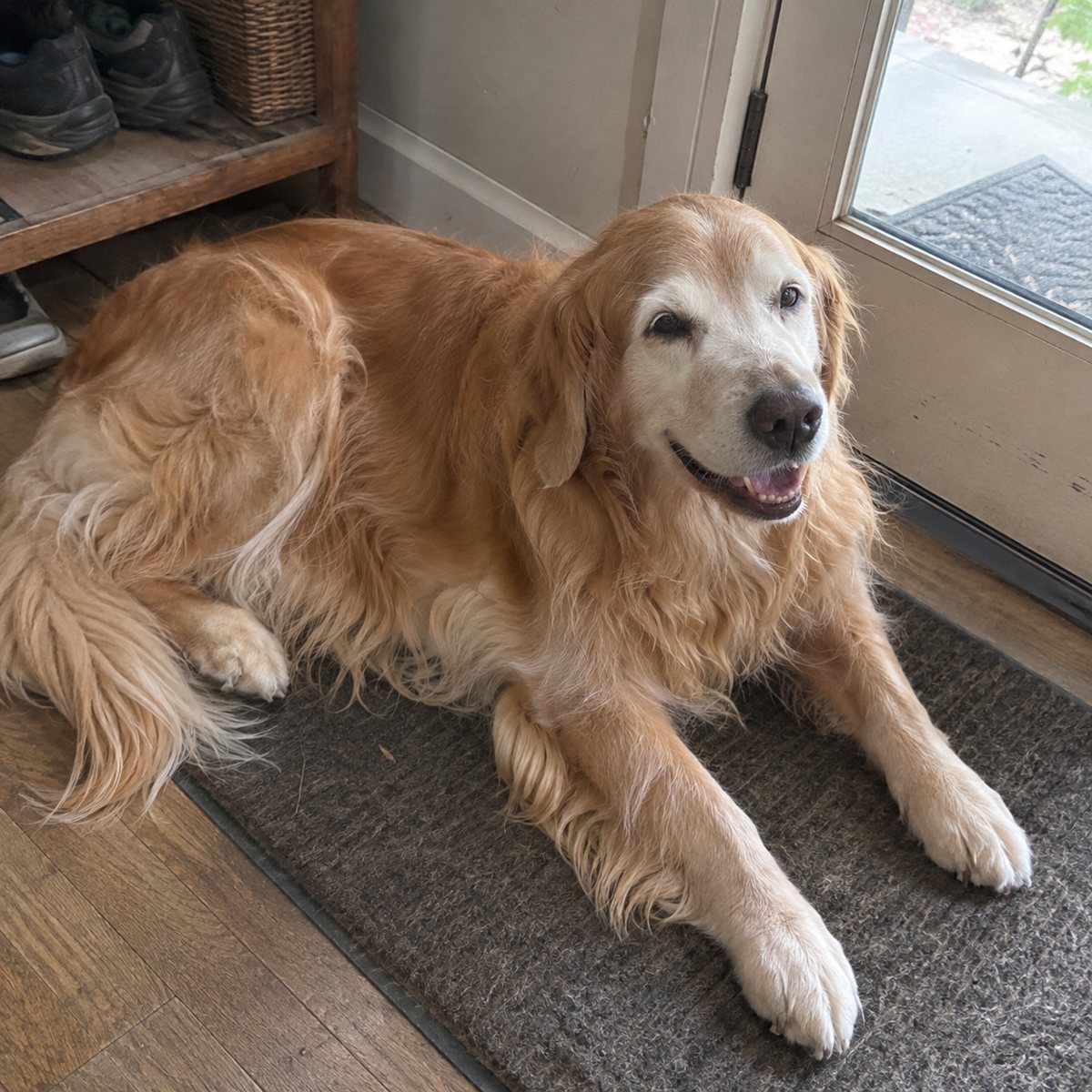
Golden retrievers rarely need an all-over haircut. Neatened feet, ears, tail, and stray feathering can stay polished for weeks while preserving the protective coat.
Ask for subtle shaping instead of shaving. Routine brushing and undercoat care do most of the work between appointments.
The best long-lasting cut is not the shortest one. It is the shape that suits the coat, grows evenly, and matches the brushing you can honestly maintain.
Also read: Dog Grooming in 1980 vs. Today: 26 Wild Before-and-Afters
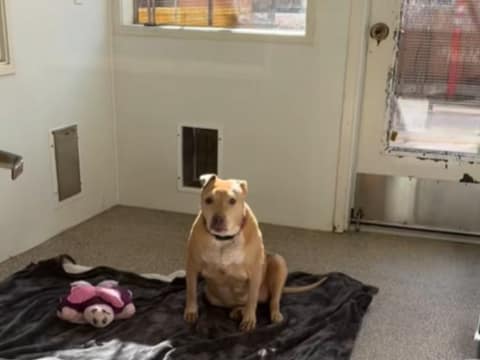 Nala Kept Watching The Window, Still Waiting For The Family Who Left Her Behind
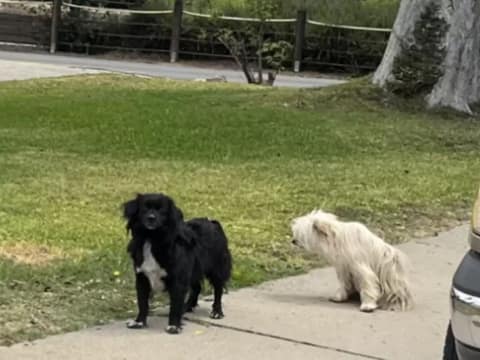 After Five Days On The Same Corner, Two Frightened Dogs Showed Their Rescuer What Home Really Meant
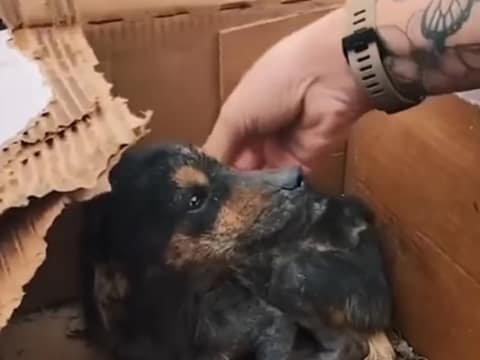 Alejandro Smiled Through The Rain, And His Lonely Little Wait Was Finally Over
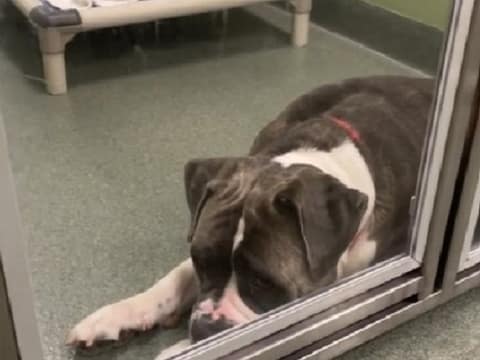 Nyla Had Almost Stopped Hoping, Then A Grieving Family Drove Four Hours To Find Her
 Demi Gave Her Puppies Everything, Then Waited For Someone To Choose Her
 After Three Years Of Waiting, A Golden Retriever Walked Straight To His New Mom And Dad