
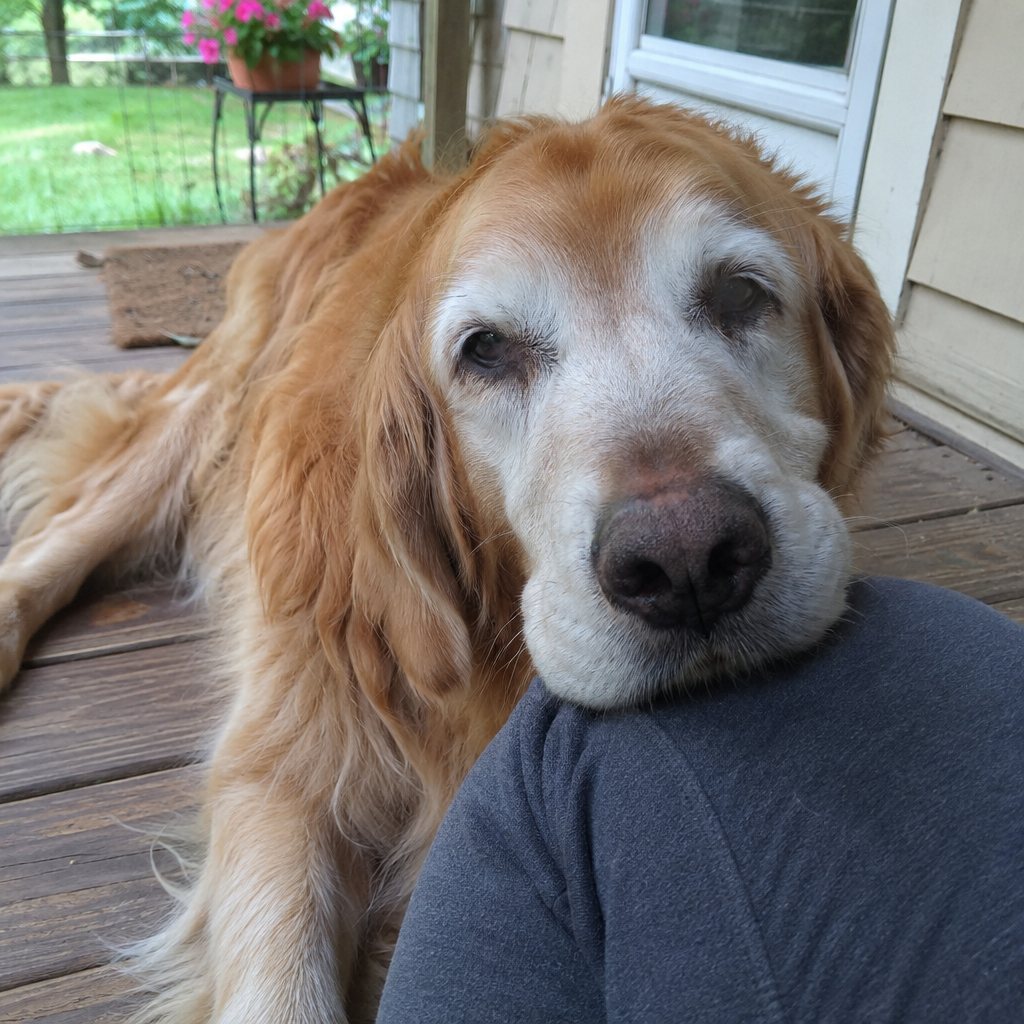
Vets see the same everyday habits again and again. None of them are cruel, and most are easy to change. Here are 20 of them.
1. Letting them carry extra weight
Even a few extra pounds put strain on joints, the heart and the back. Studies of dogs kept lean found they lived noticeably longer.
Fix it: you should be able to feel the ribs easily. Measure meals and count treats as part of the daily food.
Also readDog With a Missing Ear Starts a New Life With His Forever Dad
2. Skipping tooth care
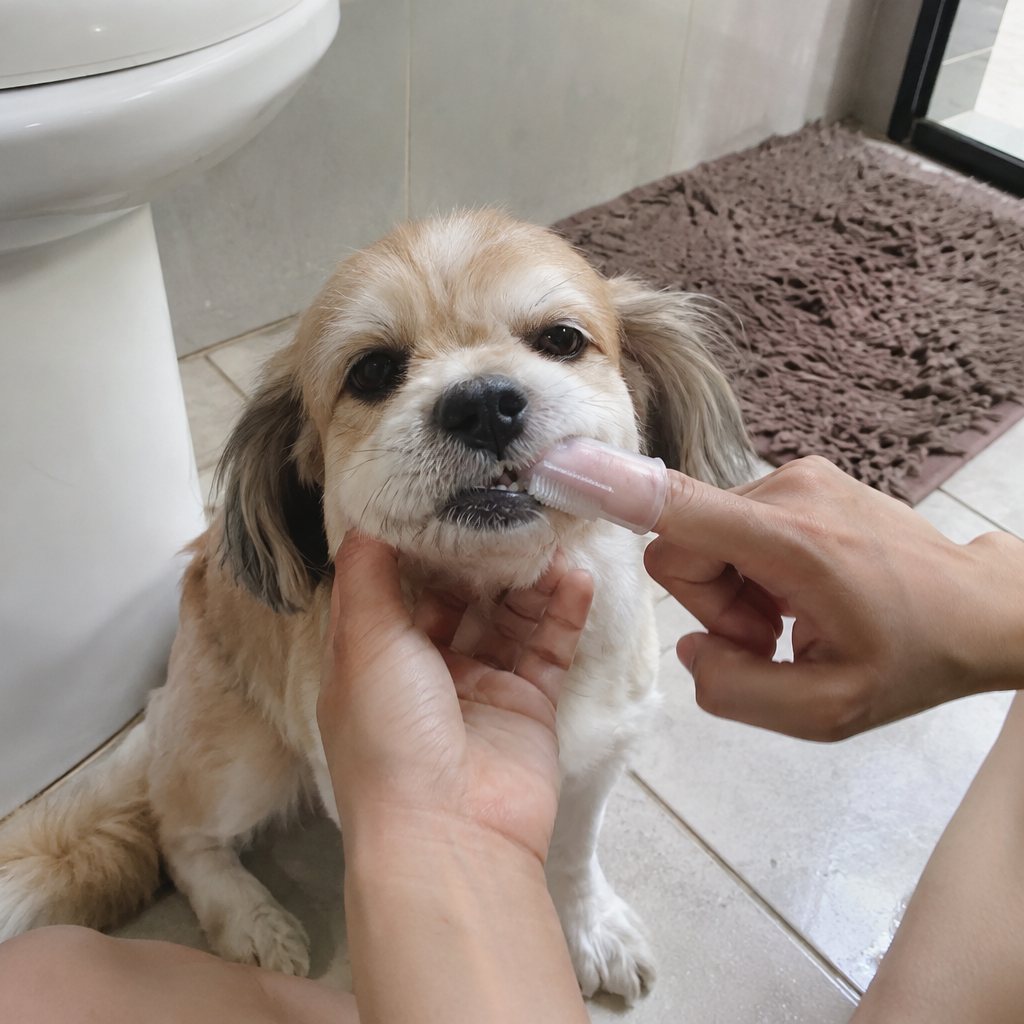
Most dogs have some dental disease by middle age. Sore gums make eating painful, and infection does not stay in the mouth.
Fix it: brush a few times a week with dog toothpaste and ask your vet about cleanings.
3. Only short walks around the block
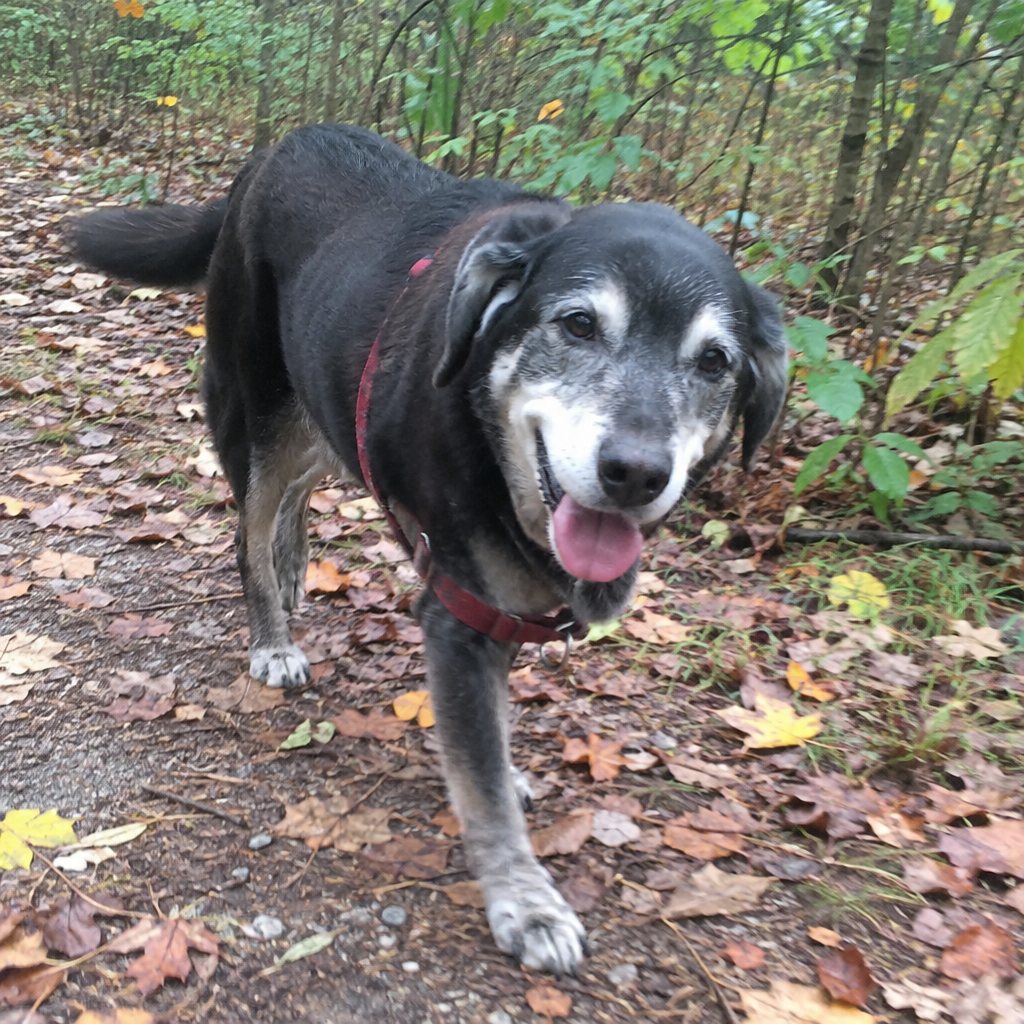
Movement keeps muscles strong and joints moving. Dogs who barely exercise lose muscle fast as they age.
Fix it: aim for daily walks that match your dog's breed and age, with some hills or varied ground.
4. A brain with nothing to do
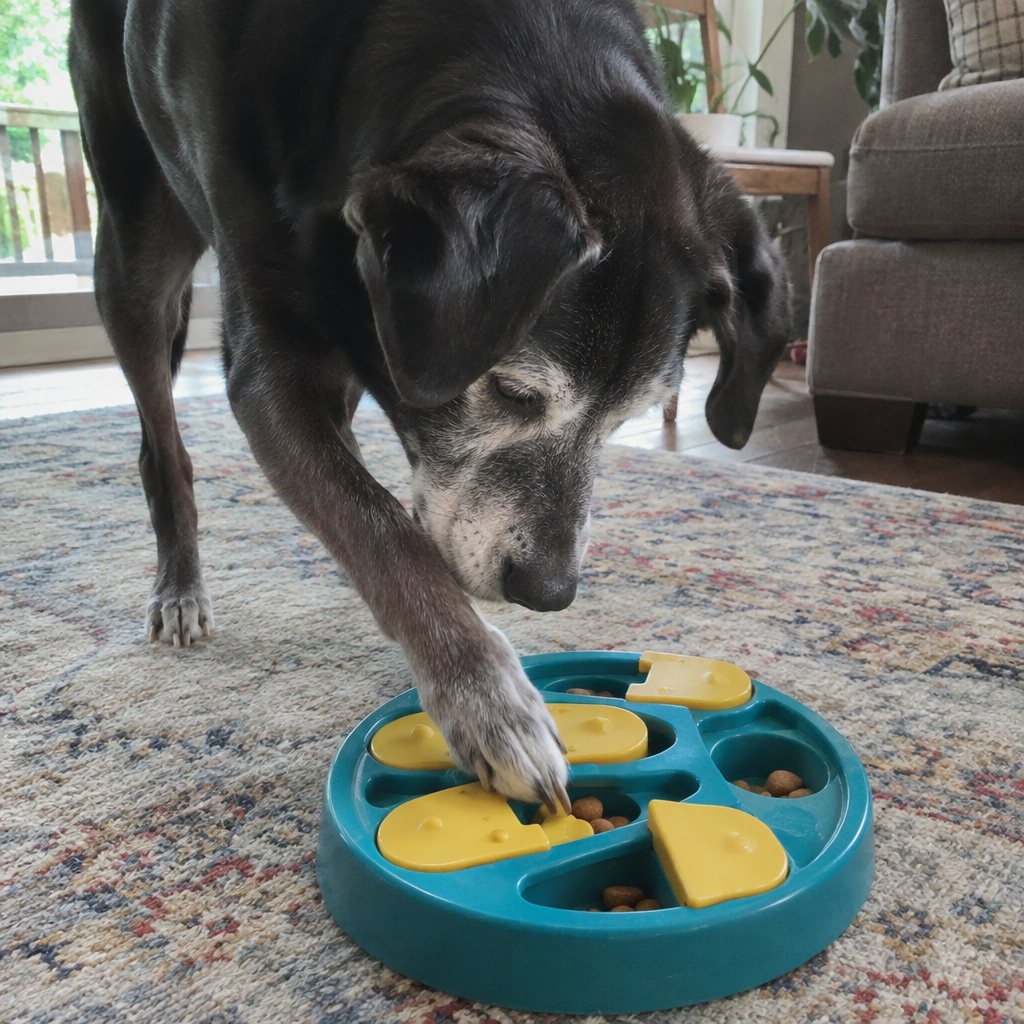
Older dogs can get foggy and confused. Dogs whose minds stay busy tend to stay sharper.
Fix it: teach a new trick, rotate toys, and use food puzzles a few times a week.
5. Free-feeding all day
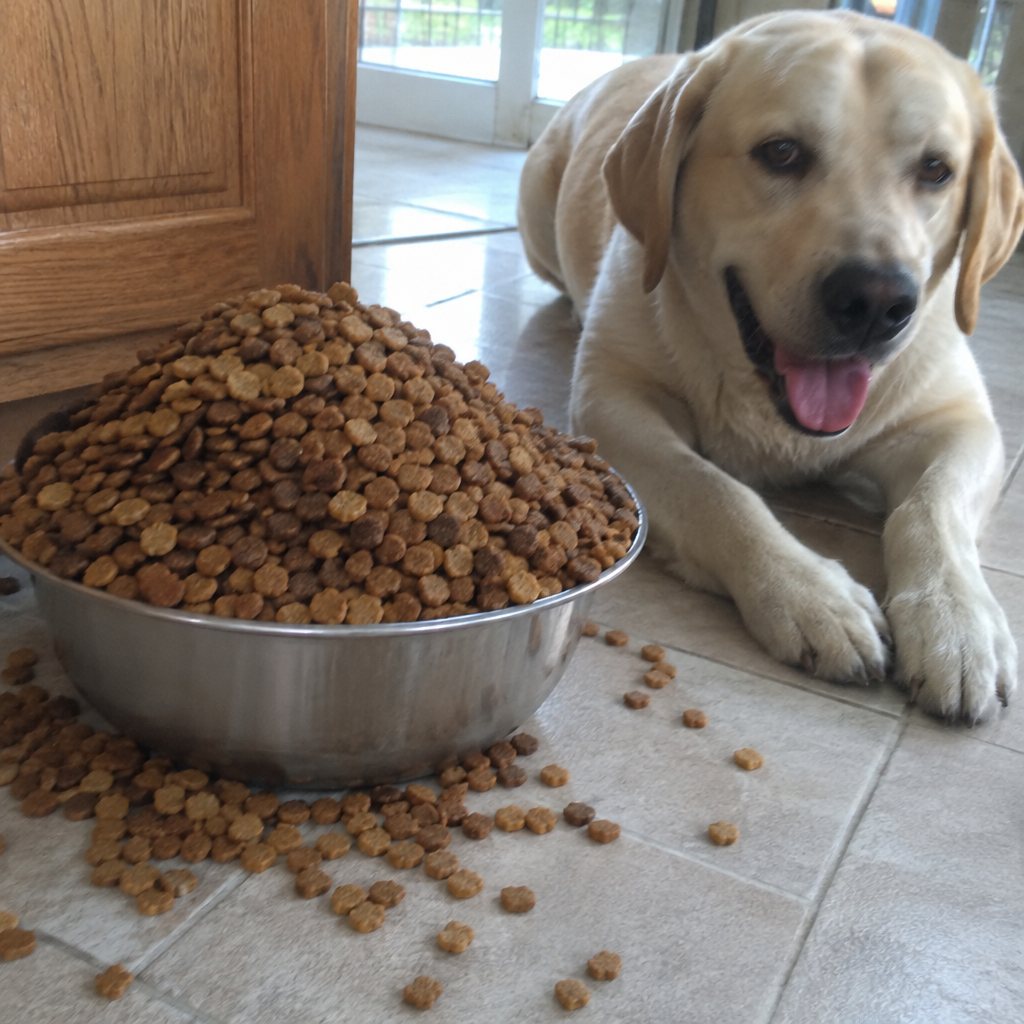
A bowl that is always full makes it hard to notice when appetite changes, and it often leads to weight gain.
Fix it: feed set meals and pick the bowl up after 20 minutes.
6. Too many human snacks
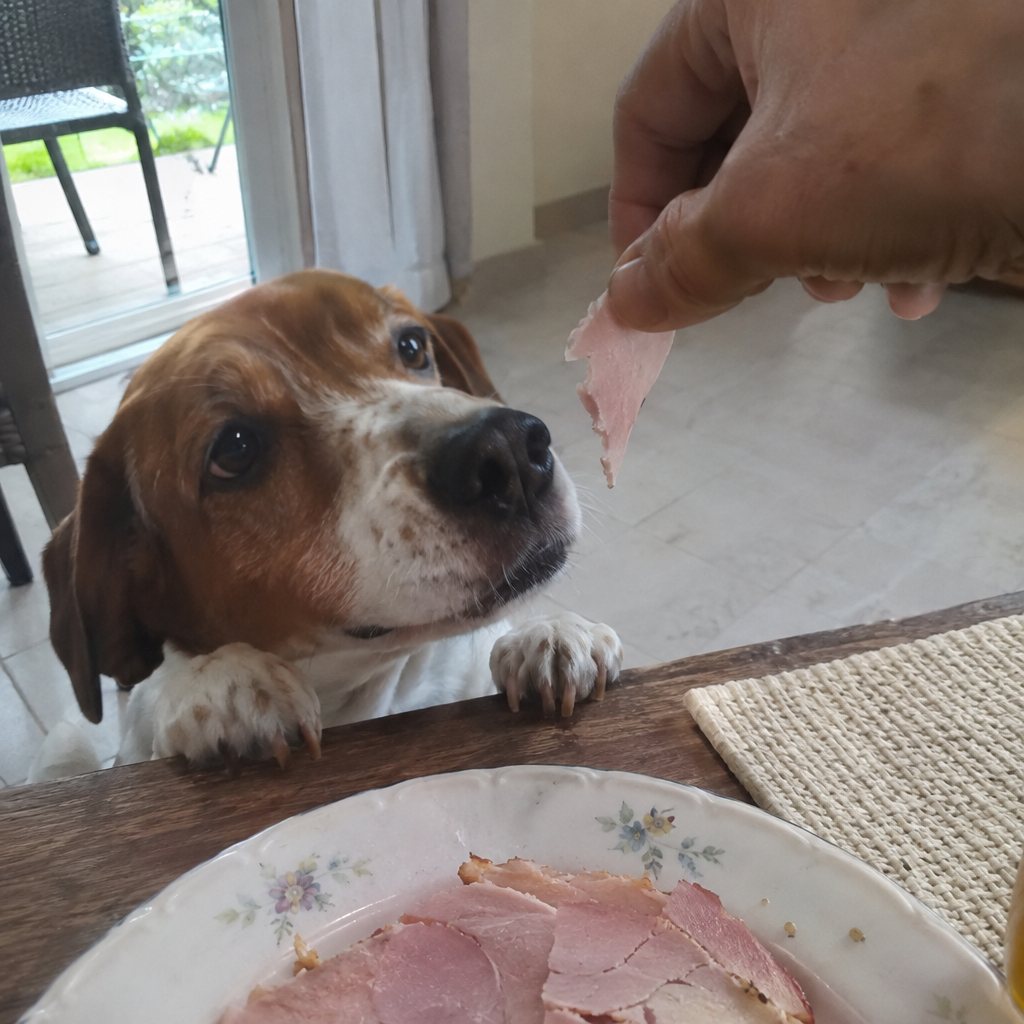
Cheese, ham and crusts add up quickly for a small body, and some foods are dangerous.
Fix it: use small pieces of plain vegetables or the dog's own kibble as treats.
Also read: 12 Things You Do Every Day That Are Secretly Stressing Out Your Dog
7. Skipping yearly check-ups
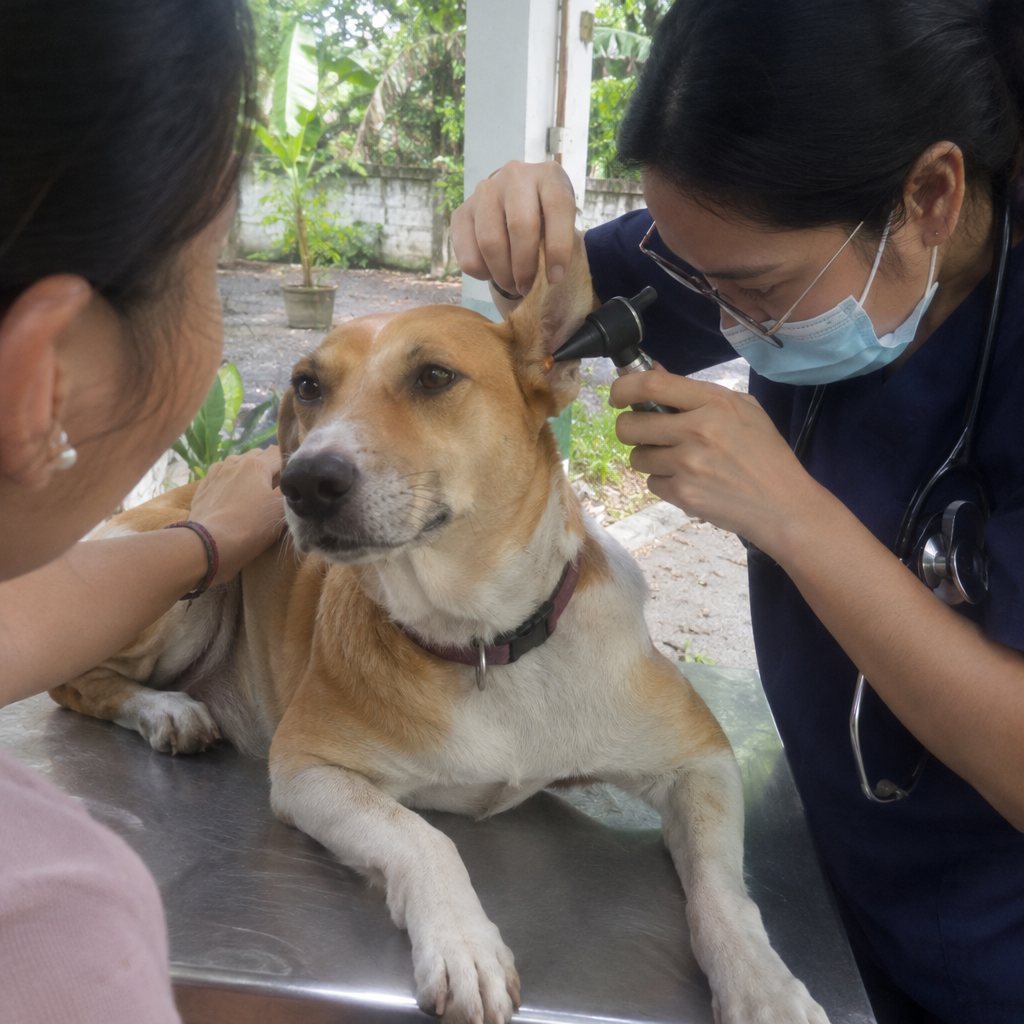
Dogs hide pain well. Many problems, from kidney disease to lumps, are caught early only at a routine exam.
Fix it: a yearly visit for adults, twice a year for seniors.
8. Ignoring stiffness after naps
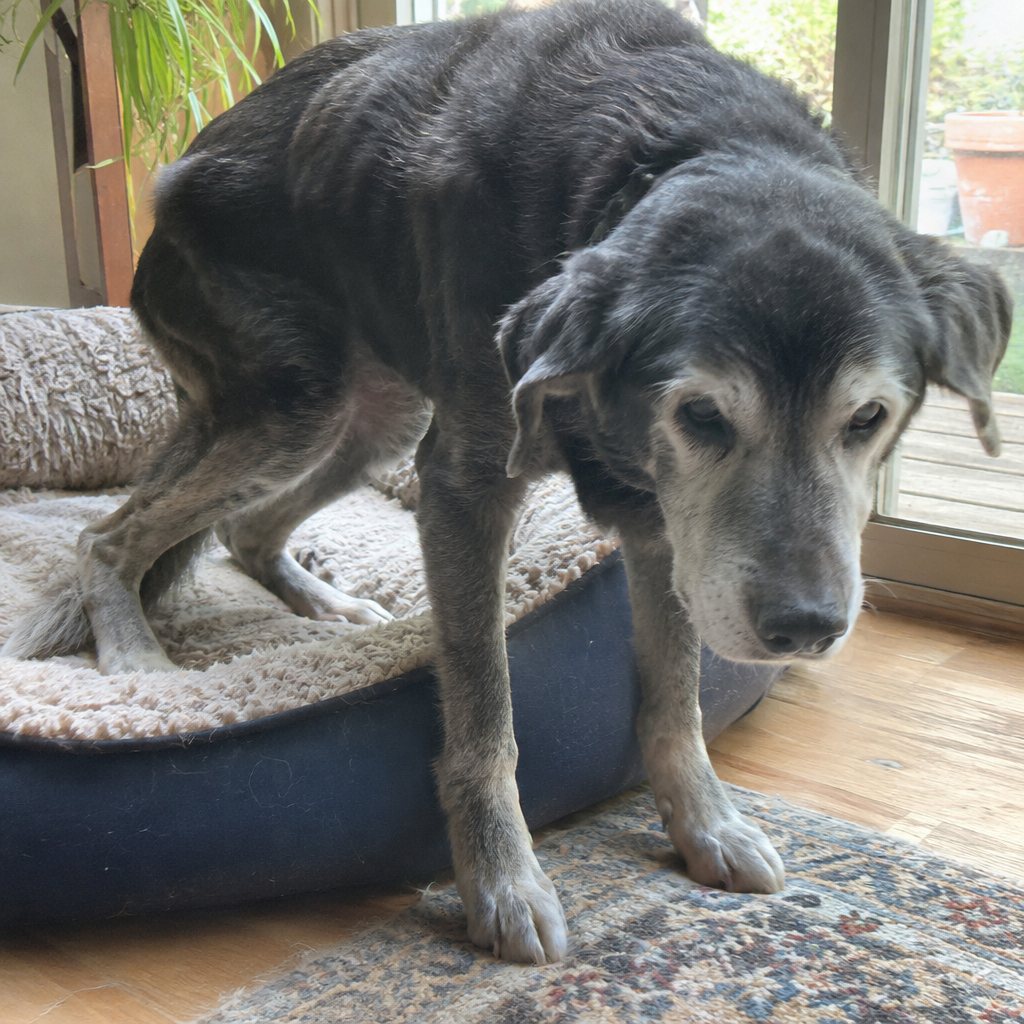
Slow to get up, hesitant on stairs, lagging on walks: these are often joint pain, not just getting older.
Fix it: tell your vet. There is a lot that can help a sore dog feel younger.
9. Slippery floors everywhere
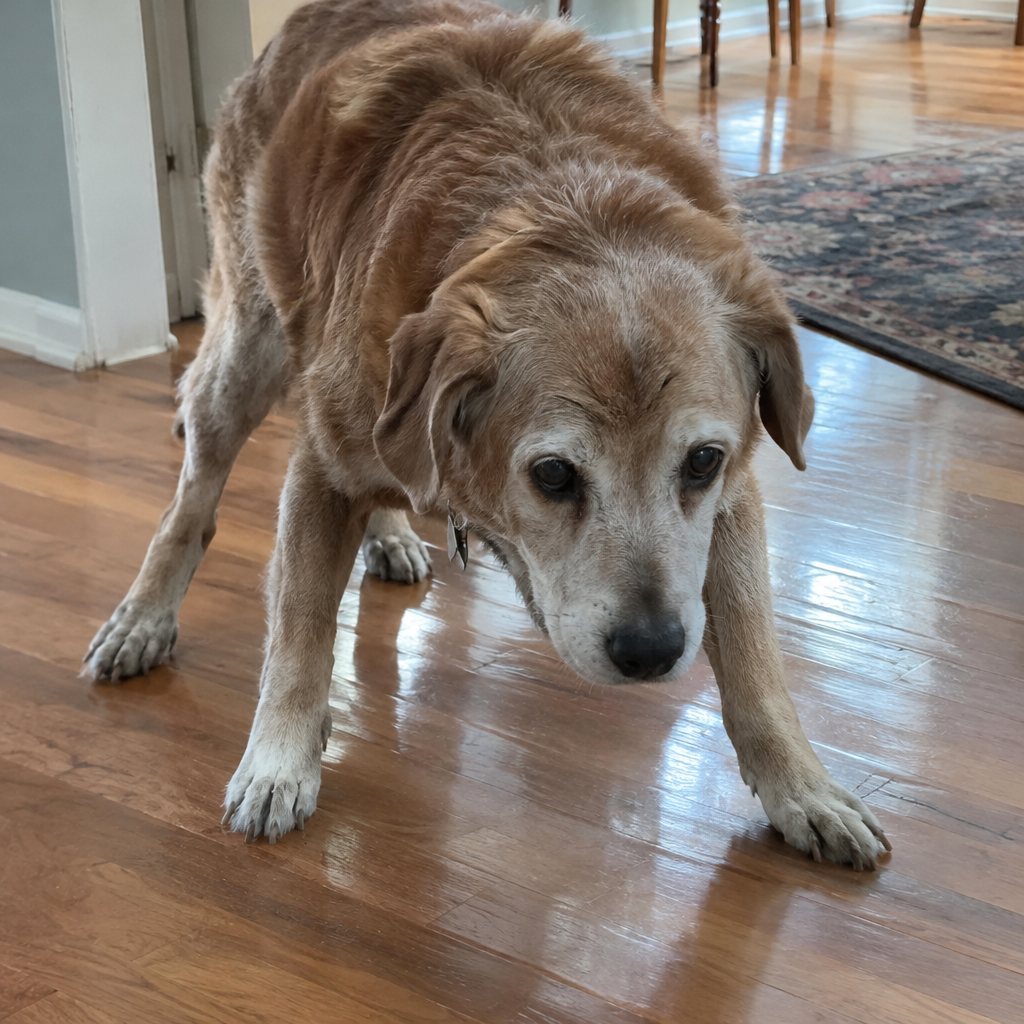
Hard floors make older dogs splay and strain to stay upright, and one fall can mean a serious injury.
Fix it: put runner rugs on the main paths and keep nails trimmed for grip.
10. Overgrown nails
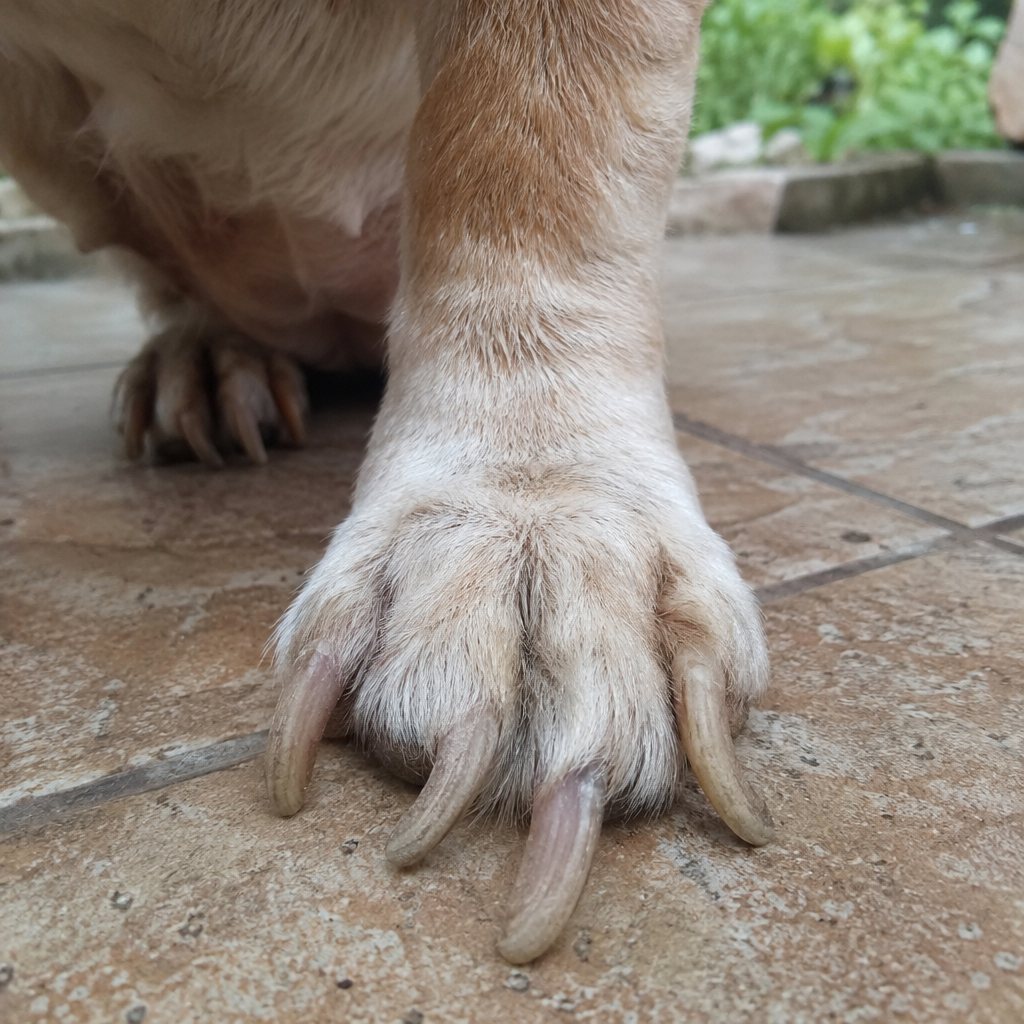
Long nails change how a dog stands and walks, which loads the joints in the wrong way.
Fix it: if you hear clicking on the floor, it is time for a trim.
11. Constant stress at home
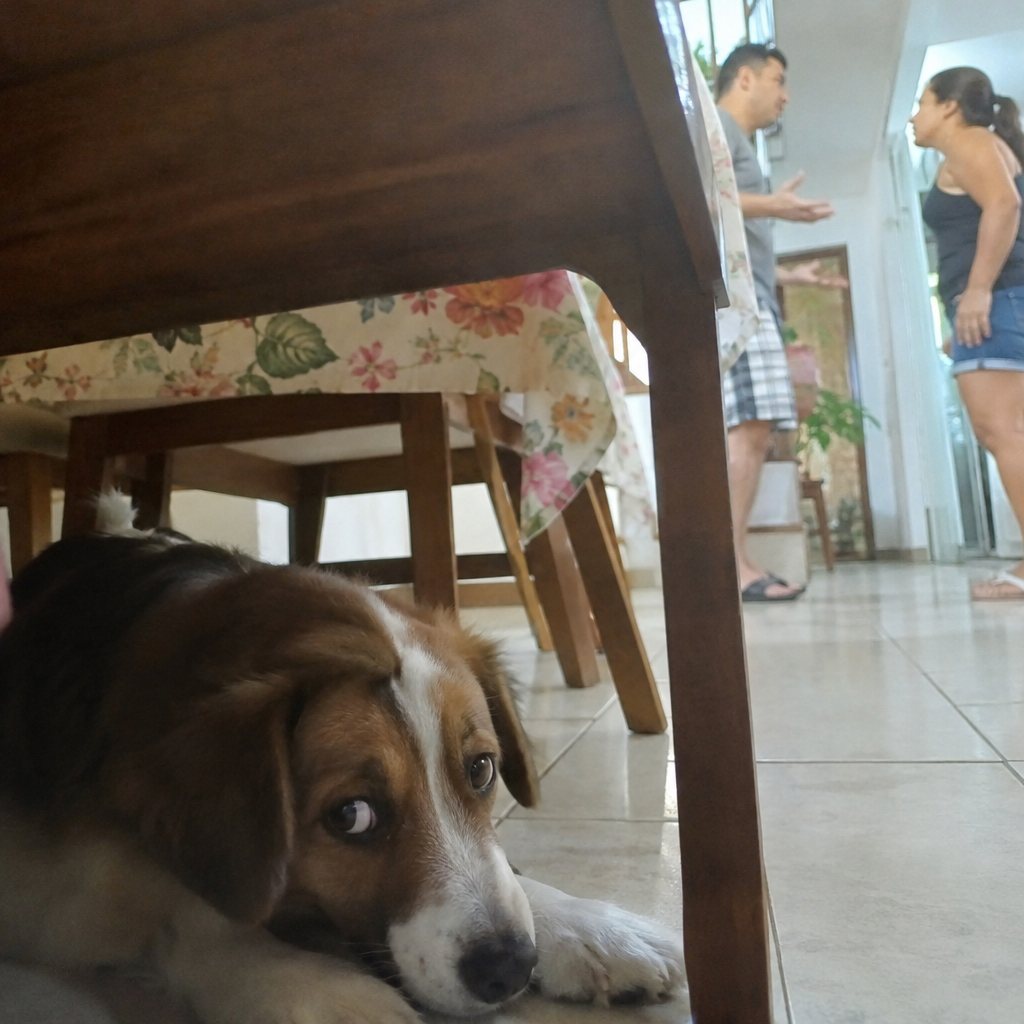
A home that is always loud or tense keeps stress hormones high, which wears the body down over time.
Fix it: quiet routines, a safe resting spot and calm voices.
12. Not enough sleep
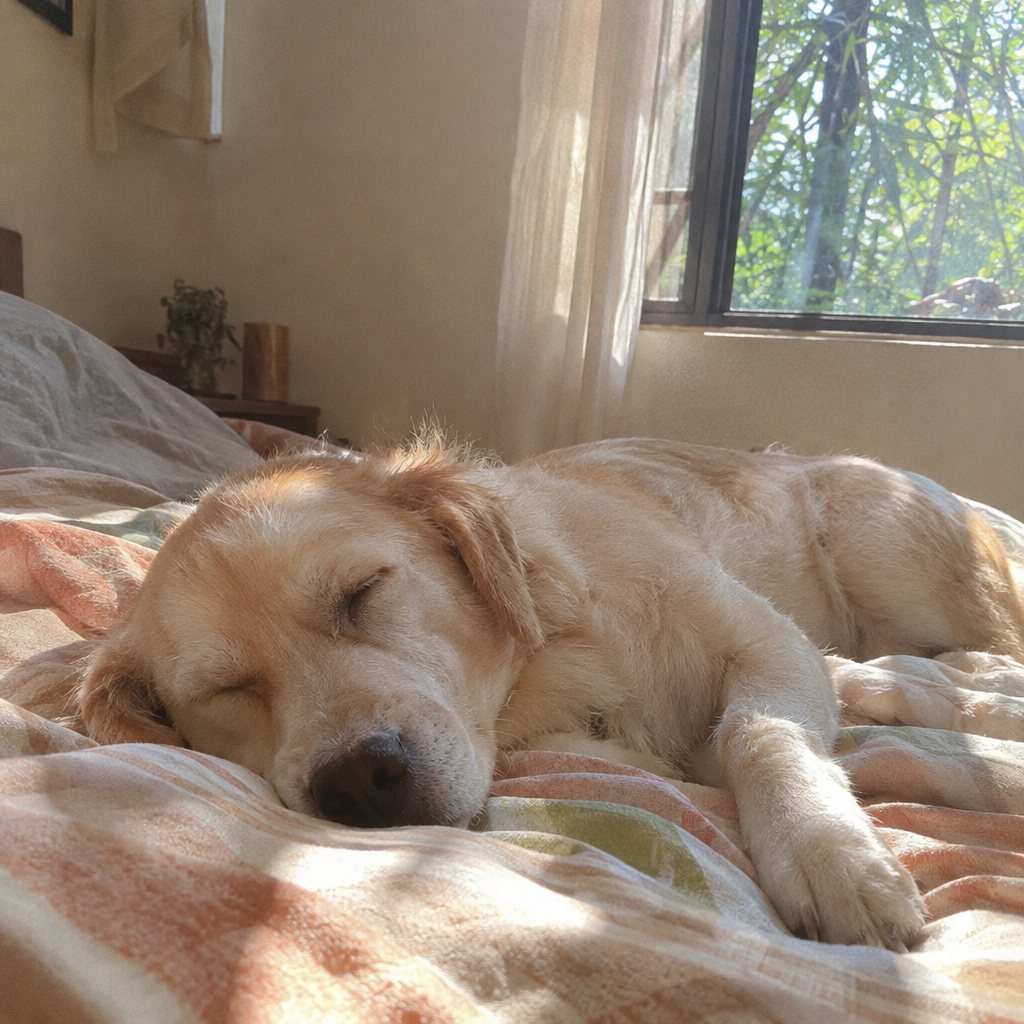
Adult dogs need a lot of sleep. Busy homes with constant interruptions leave them short of rest.
Fix it: give your dog a quiet place to sleep and let it nap without being disturbed.
13. Missing parasite prevention
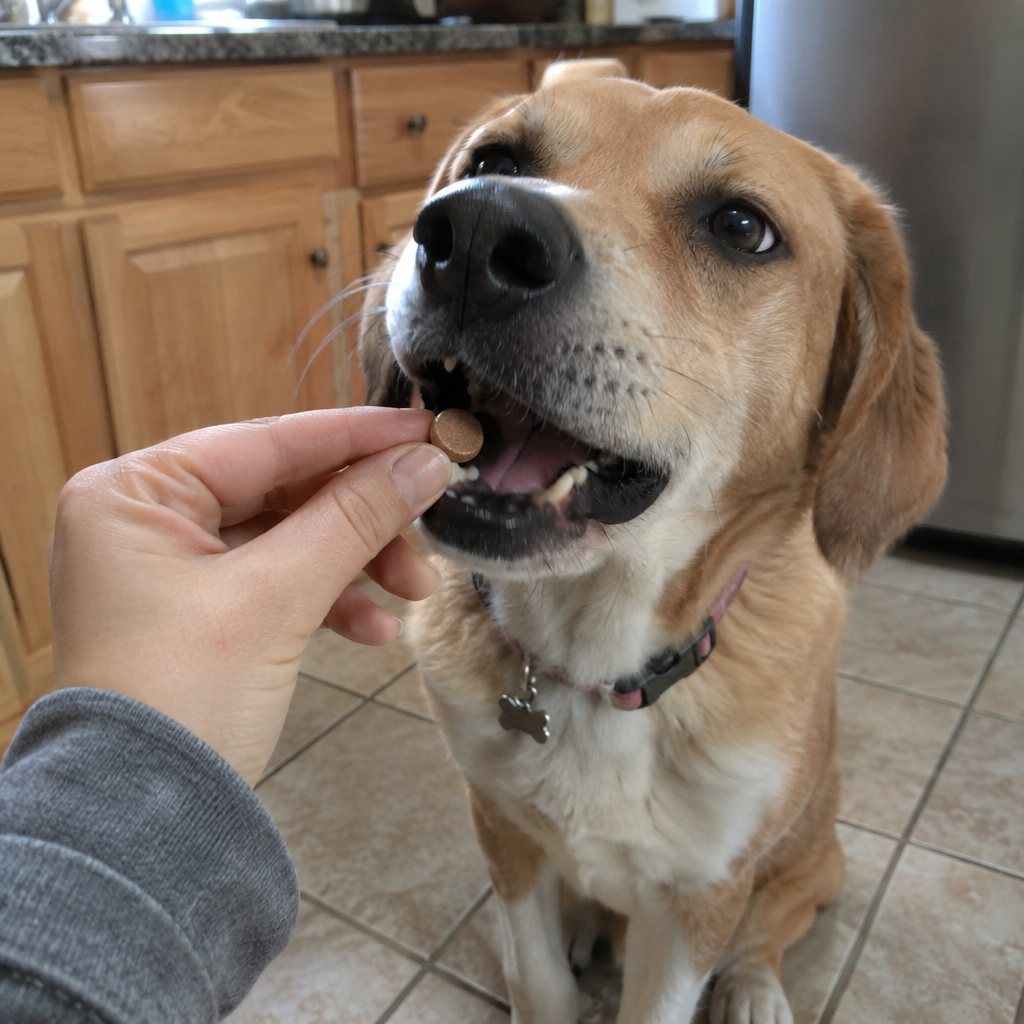
Heartworm and other parasites cause damage that adds up for years before symptoms show.
Fix it: keep up with the prevention your vet recommends, all year round where needed.
Also read: 29 Dog Things From the 1980s That Made Owning a Puppy Look Like a Costume Party
14. Smoke in the house
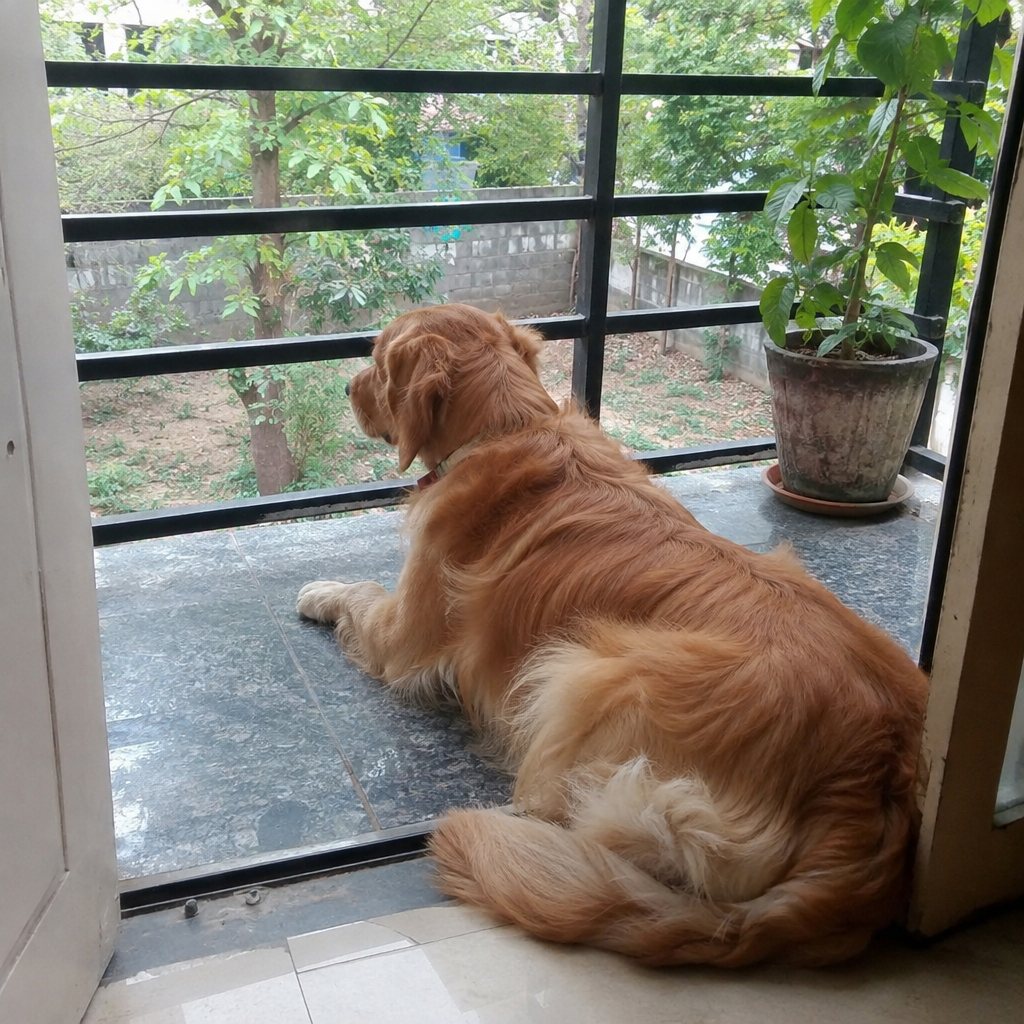
Second-hand smoke is linked to breathing problems and some cancers in dogs, especially short-nosed and long-nosed breeds.
Fix it: smoke outside and away from your dog.
15. Rough play on growing joints
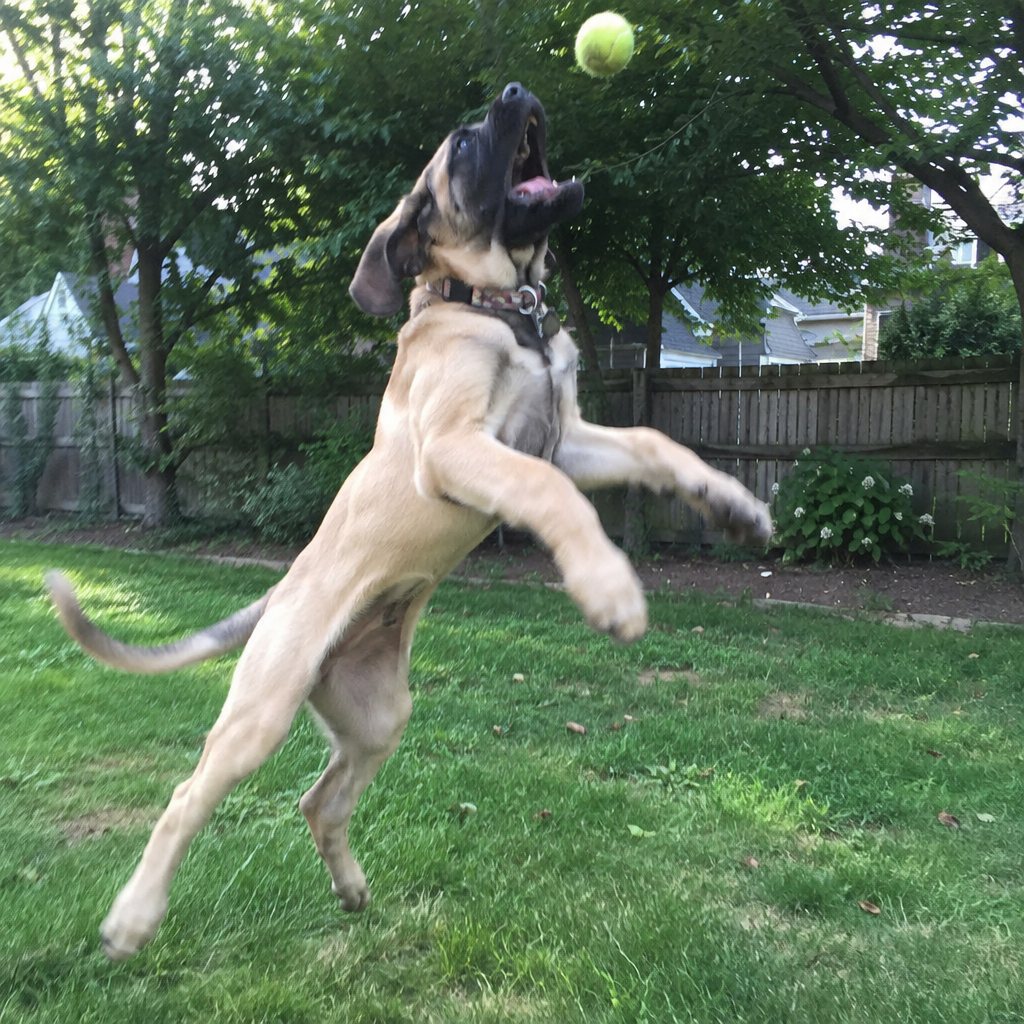
Repeated high jumps and hard landings in young or large dogs can stress joints that are still forming.
Fix it: keep jumping low for puppies and save frisbee leaps for adulthood.
16. Hot cars and hot pavement
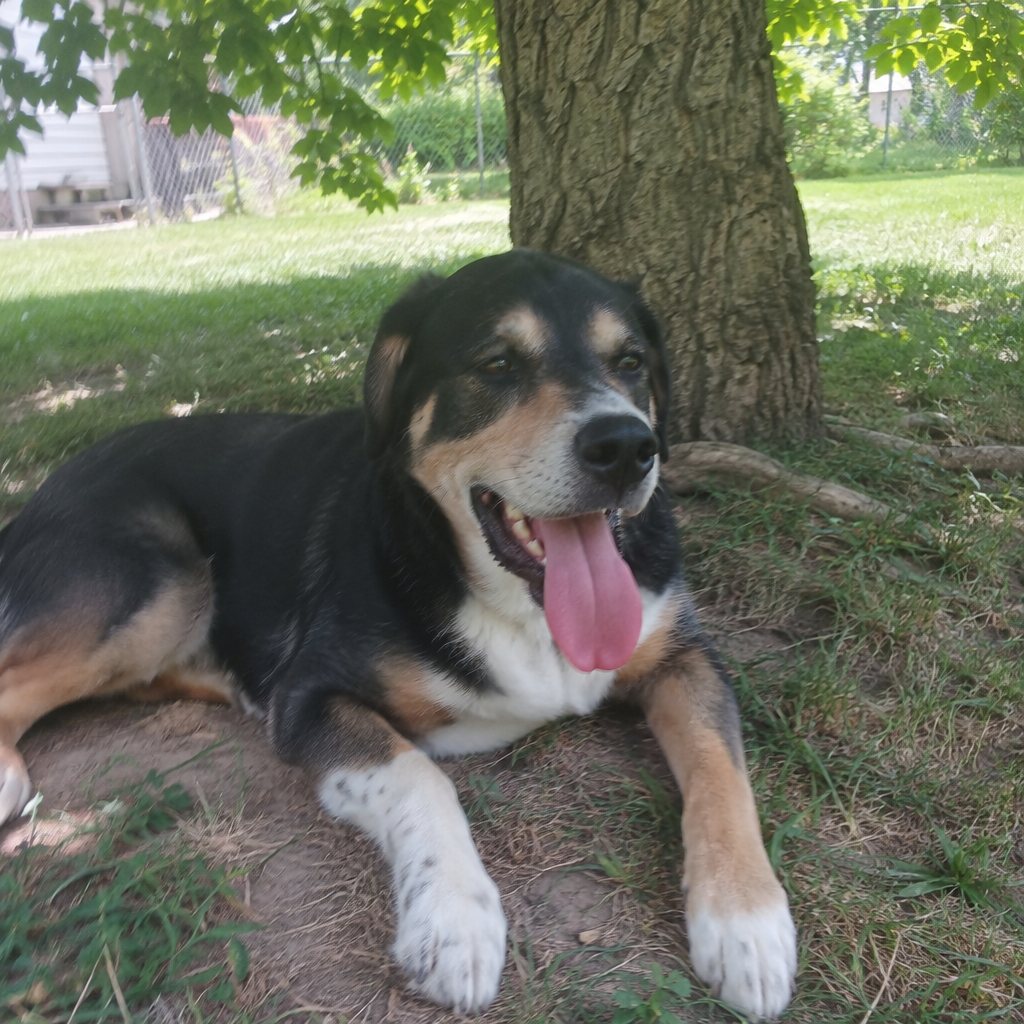
Heat is hard on any dog, and repeated overheating takes a toll on organs.
Fix it: walk in the cool hours and never leave a dog in a parked car.
17. Being alone all day, every day
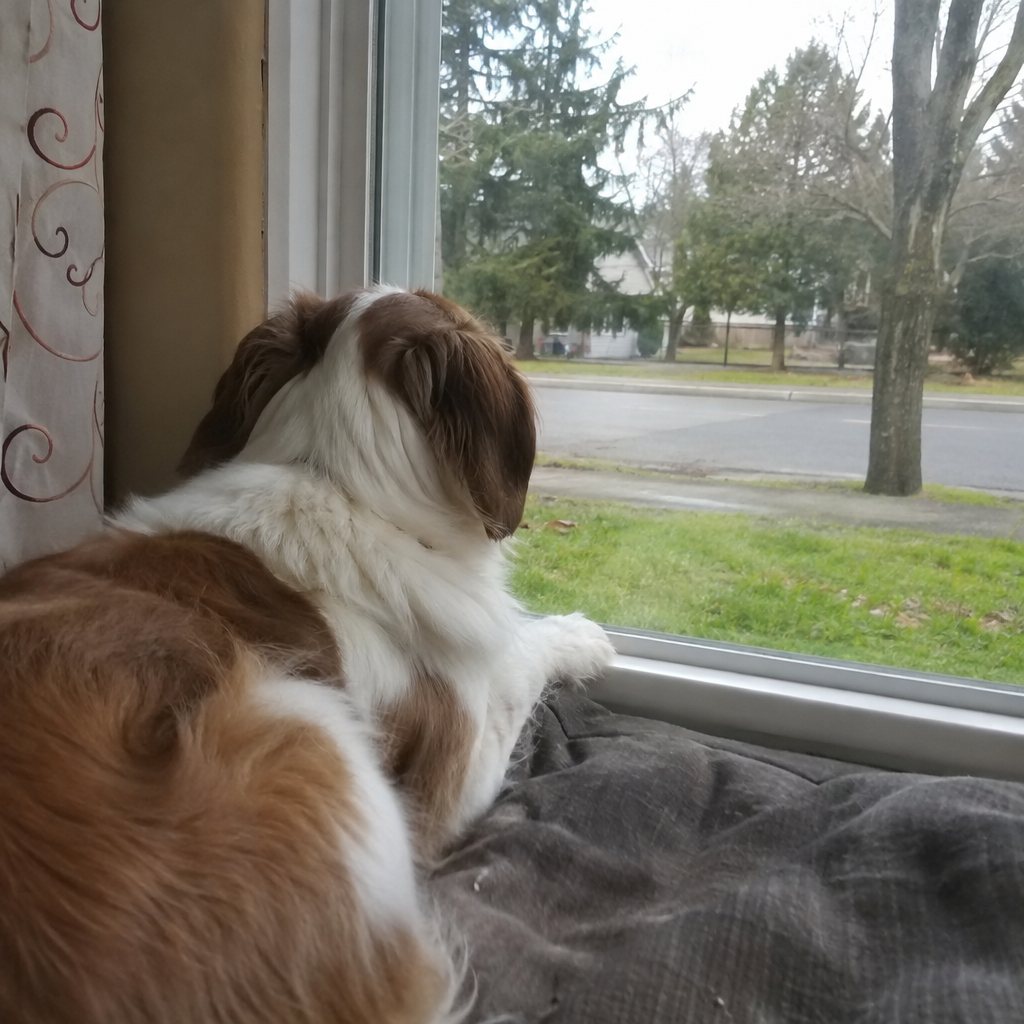
Dogs are social. Long days alone can lead to anxiety, boredom and less activity.
Fix it: a midday walk, a friend's visit or a dog walker can make a big difference.
18. Cheap, low-quality food
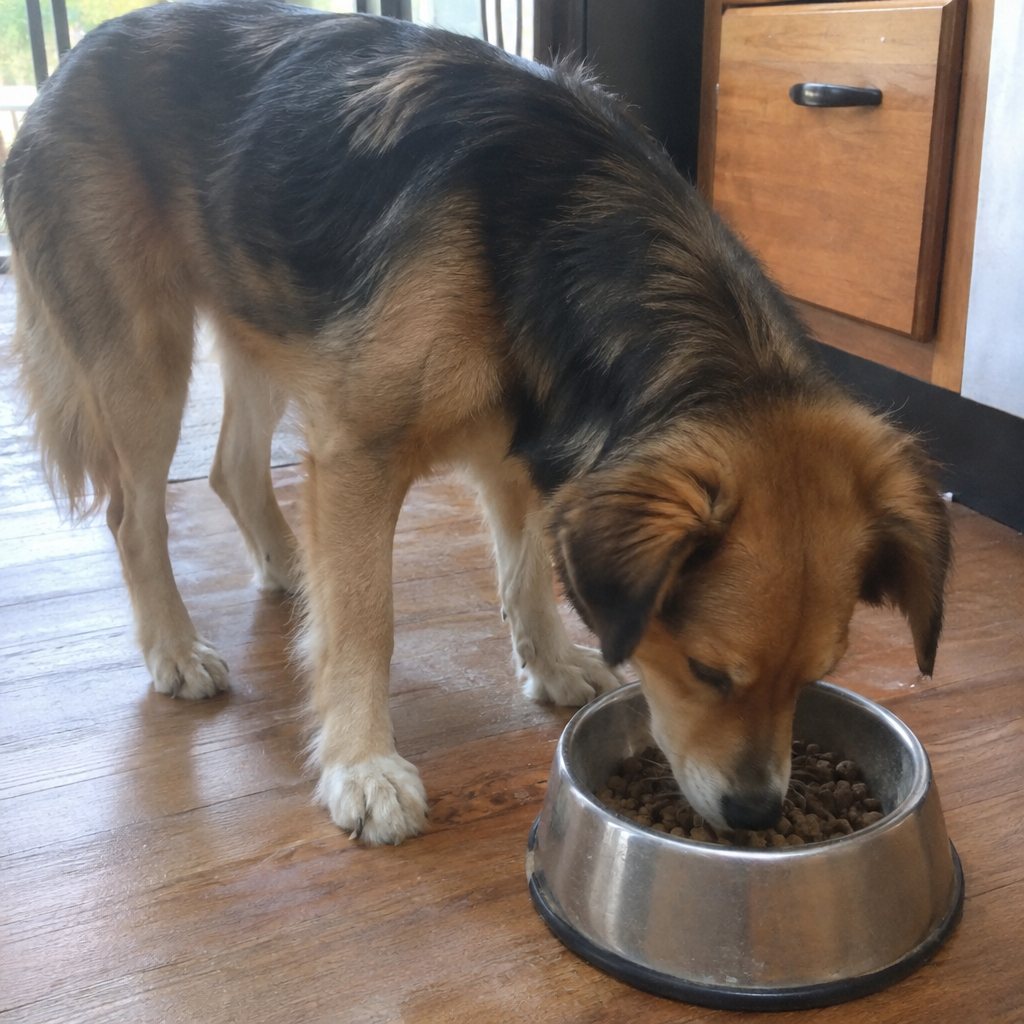
A balanced diet supports skin, coat, muscles and organs over a lifetime.
Fix it: choose a complete and balanced food that suits your dog's age and size, and ask your vet if unsure.
19. Ignoring small changes
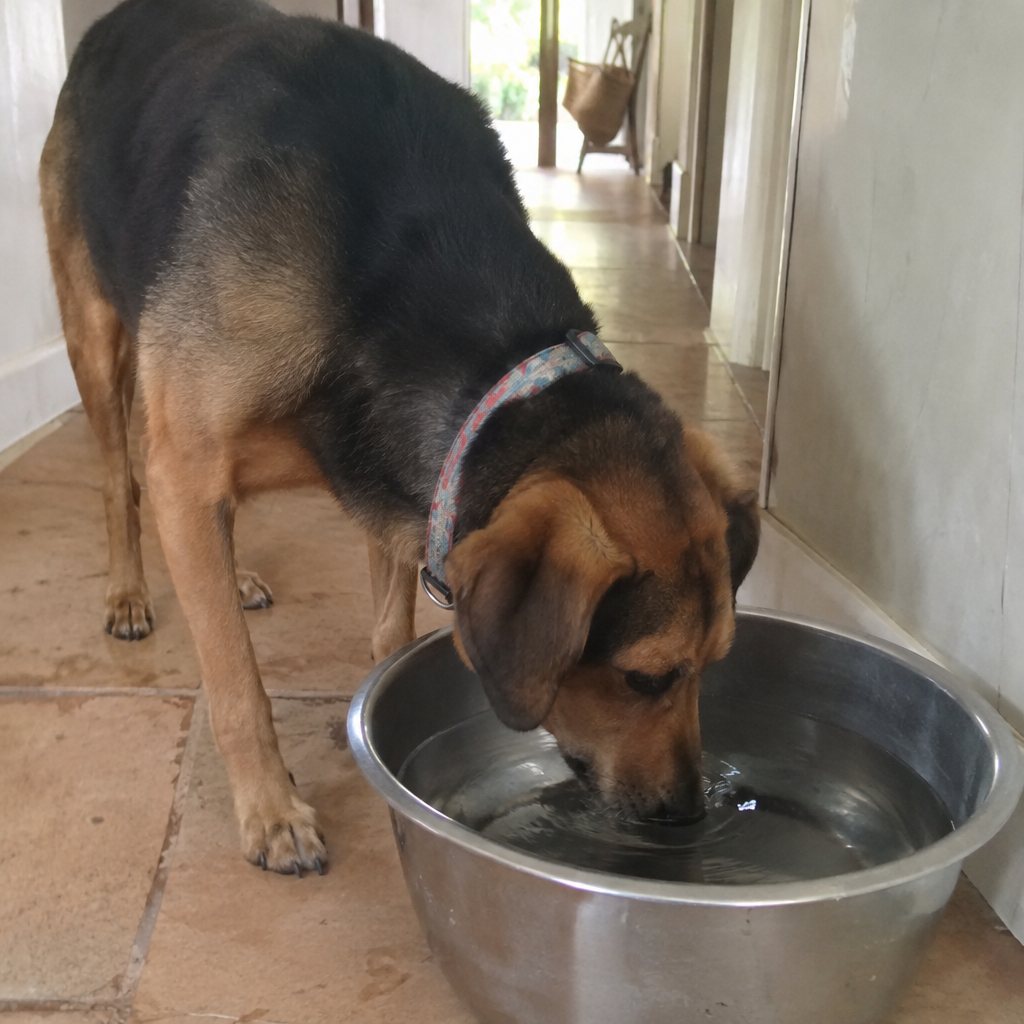
Drinking more water, sleeping more, a new lump: small changes are often the first sign of something treatable.
Fix it: keep a simple note on your phone and mention changes at the vet.
20. Treating them as old too soon
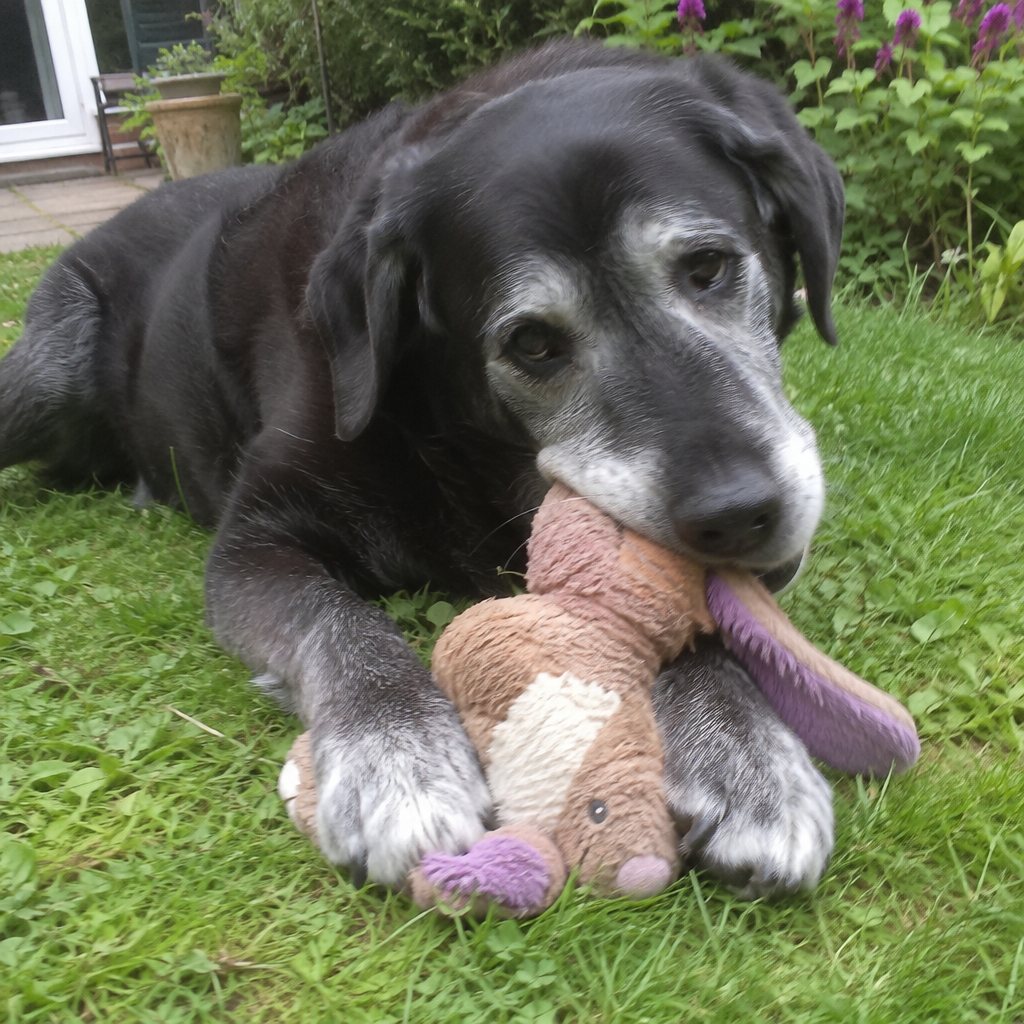
Some owners stop walks and games the moment a dog turns grey. Dogs who stay active and included keep their spark longer.
Fix it: adjust the activity, do not stop it. Shorter walks, gentle games, new smells.
You do not have to be perfect. Fix two or three of these and your dog will feel it.
And if you notice a change, a quick vet visit is always better than waiting. This article is general information and does not replace advice from your vet.
Also read: 21 Vintage Dog Collectibles Worth More Than You Would Guess
 15 Costco Finds Dog Owners Keep Putting in Their Cart
 21 Vintage Dog Collectibles Worth More Than You Would Guess
 29 Dog Things From the 1980s That Made Owning a Puppy Look Like a Costume Party
 12 Things You Do Every Day That Are Secretly Stressing Out Your Dog
 Deja Still Dances With Hope After Nearly Three Years Behind A Shelter Door
 Tiny Pablo Was Found in a Ditch, Then Love Changed Everything